Fashion & Beauty
The A-Line Wedding Dress: Why Every Bride Should Try It First
The A-line silhouette is the most universally flattering shape in bridal fashion — fitted through the bodice, gently flaring from the waist or hip. Here is everything you need to know before your first boutique appointment.
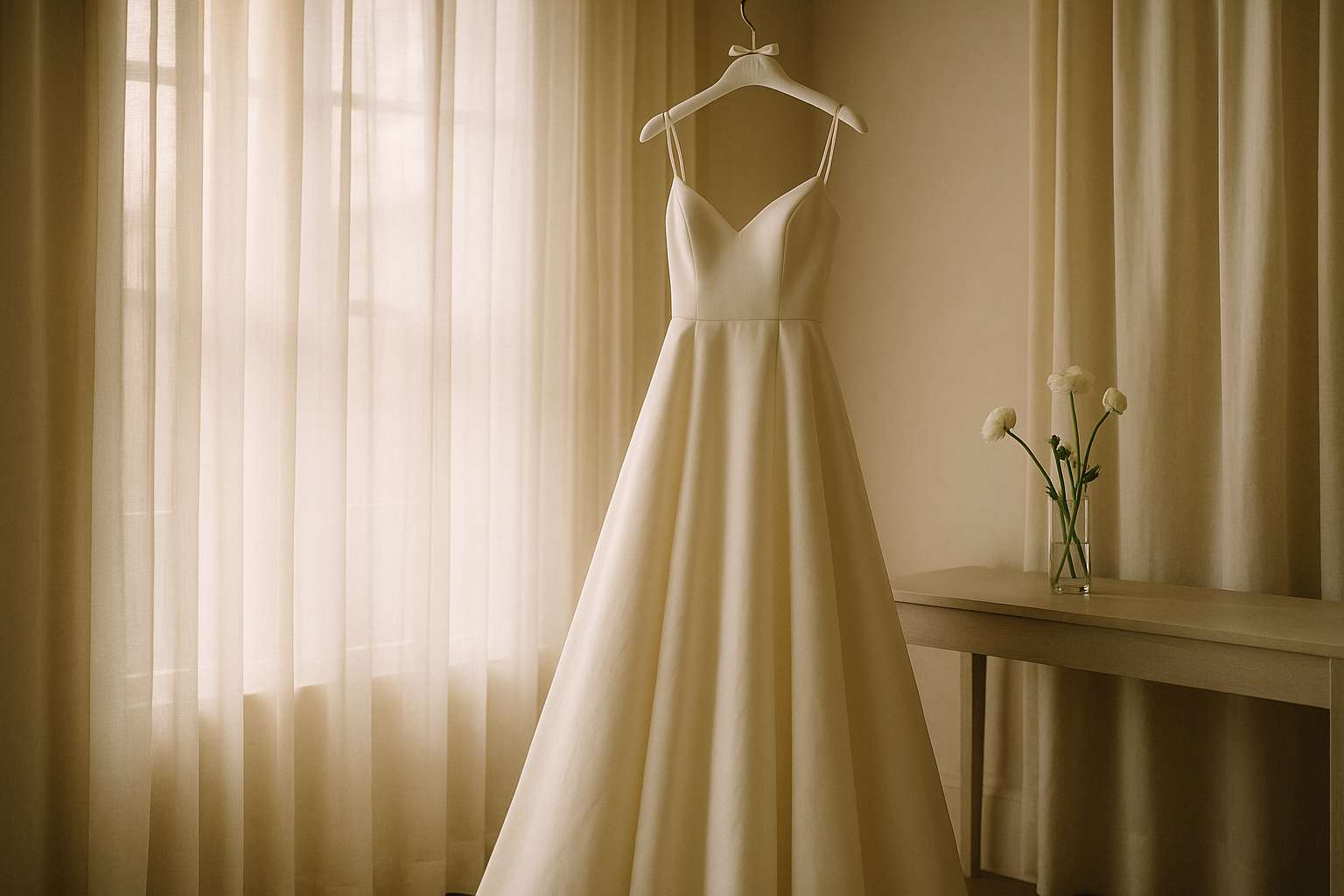
The A-line wedding dress — fitted at the bodice, gently flaring from the waist — is the most universally flattering bridal silhouette and the clear leader of 2026 bridal trends, with designers from Monique Lhuillier to Vera Wang centering it in their collections. Price ranges span $400 to $10,000+, and it suits every body type and formality level.
Before you walk into your first bridal boutique, there is one decision that will shape every photograph taken of you that day, every moment you feel in your body on the dance floor, and how comfortable you remain across ten to twelve uninterrupted hours: the silhouette. And among all the silhouettes available to a bride in 2026, none has a stronger claim to universal attention than the A-line.
This is not a trend endorsement. The A-line has been the most-tried, most-purchased bridal silhouette for decades because of a structural truth: it creates the effect of a defined waist without clinging to the hips and thighs. It photographs beautifully from every angle. It moves. And it flatters. This guide gives you everything you need to understand the silhouette, shop it intelligently, and know whether it is the dress for you.
What makes the A-line silhouette work on so many body types?
The A-line's enduring reputation comes down to its engineering. The fitted bodice — structured or soft, boned or draped, depending on the specific construction — defines the upper body and creates the visual anchor from which the skirt flows. The flare begins at or just below the natural waist and expands continuously and gradually to the hem, never stopping to cling at the hip or mid-thigh. That gradual, uninterrupted movement creates what stylists call a "clean line": the eye follows from the shoulder to the waist to the hem without visual interruption or tension.
This matters because most of the fitting challenges brides anticipate — wider hips, fuller thighs, a softer midsection — are exactly what the A-line's flare is engineered to address. The flare skims over rather than showcasing those areas. For brides with a pear-shaped figure (fuller hips and thighs, narrower shoulders), the A-line is the gold-standard recommendation. For apple-shaped figures, the soft A-line — particularly in a drop-waist variation — creates a flattering line without tightening across the midsection. For petite brides, a clean A-line in lighter fabric elongates without overwhelming.
| Body Type | A-line Variation | Fabric Recommendation | Styling Note |
|---|---|---|---|
| Pear (fuller hips/thighs) | Classic or dropped-waist A-line | Tulle, chiffon, lace | V-neckline balances the hip; avoid horizontal waist seams |
| Hourglass (defined waist) | Structured A-line with fitted bodice | Satin, mikado, crepe | Fitted bodice celebrates the waist; clean flare maintains elegance |
| Apple (fuller midsection) | Soft or empire-waist A-line | Chiffon, georgette, soft tulle | Empire seam draws eye upward; avoid heavily structured waist bands |
| Athletic/Straight | Dropped-waist A-line with 3D detail | Lace, textured fabric with appliqué | Surface texture creates curves; avoid plain unadorned constructions |
| Petite (under 5'4") | Clean A-line, empire variation | Lighter-weight fabrics; avoid heavy crinoline | Cathedral veil elongates; slim the skirt at the hip before expanding |
| Tall (5'9"+) | Classic or basque-waist A-line | Dramatic fabrics: satin, structured tulle | Cathedral train amplifies the line; statement sleeves add balance |
What do A-line wedding dresses look like in 2026?
The 2026 bridal season has been described by designers and fashion editors as a Romantic Revival — a deliberate return to softness, structure, and femininity. The A-line silhouette is its central expression. New York Bridal Fashion Week Fall 2026 showcased the basque-waist A-line — a V- or U-shaped seam dipping below the natural waist before meeting the skirt — as the season's dominant structural signature, appearing at Monique Lhuillier, Ines Di Santo, and Reem Acra.
Monique Lhuillier's Fall 2026 collection featured a standout ivory silk Chantilly lace off-the-shoulder basque-waist A-line with peplum, and a laser-cut organza A-line from her Platinum Collection — both demonstrating that the silhouette's 2026 expression is anything but restrained. Vera Wang, known for architectural precision, is forecasting crisp tailoring, asymmetrical necklines, and exaggerated sleeves in minimalist palettes — with the A-line providing the structural foundation for these sculptural additions.
Key trends to know for 2026 A-line shopping:
- Dropped and basque waist seams — positioned at or below the hip rather than the natural waist, creating a longer, more elongated torso line.
- Three-dimensional floral appliqué — hand-cut blooms and layered petals on the bodice and sleeves, photographing beautifully in natural light.
- Statement sleeves — sheer, lace, or puffed constructions that balance the shoulderline without adding volume to the skirt.
- Dramatic back details — open lace backs, deep-V constructions, and illusion panels on dresses with clean, minimal fronts.
- Convertible constructions — detachable trains or overskirts allowing two distinct looks within a single dress purchase.
How much does an A-line wedding dress cost, and what should you budget for?
A-line gowns span the full price spectrum of the bridal market, which is part of their appeal. Industry data for 2026 places the market in three clear tiers:
| Tier | Price Range | Representative Brands | Where to Shop |
|---|---|---|---|
| Budget/Accessible | $400–$1,200 | Azazie, BHLDN, Cocomelody | Online retailers; wedding sample sales |
| Mid-range Boutique | $1,200–$3,500 | Stella York, Maggie Sottero, Rebecca Ingram | Authorized bridal boutiques |
| Designer | $3,500–$10,000+ | Monique Lhuillier, Vera Wang, Reem Acra | Designer boutiques; flagship stores |
The national median wedding dress spend in 2025 was approximately $2,000, per The Knot's Real Weddings Study. Beyond the dress price, budget line items that most brides underestimate include:
- Alterations: $300–$800 for standard hem, bust, and waist adjustments. Nearly 95% of brides require at least some alteration. Complex structural work reaches $1,200–$1,500+.
- Undergarments: $80–$300 for a bridal-appropriate bustier, bra, or shapewear.
- Accessories: Veil, headpiece, shoes, and jewelry — each a separate investment.
- Rush fees: 15–30% surcharge if ordering within five months of the wedding.
- Preservation and cleaning: $200–$500 post-wedding.
The most financially sound approach is to calculate your total-look budget — dress plus alterations plus accessories plus undergarments — before walking into any boutique. A bride who budgets $2,000 for the dress but has not accounted for alterations, undergarments, or accessories is likely to find herself investing $2,800–$3,200 by the time she picks the gown up for the final time.
What are the most common mistakes brides make when shopping for an A-line dress?
Ordering a smaller size with the intention to lose weight. Bridal sizing is cut to the largest measurement; taking a dress in is a manageable alteration. Letting it out is often impossible, depending on the construction. Order the dress that fits your body today.
Dismissing the silhouette because of how a sample looks unclipped. Most boutique samples are size 10–12. If your size is different, ask the stylist to clip or pin the sample to approximate fit. Do not dismiss an A-line based on how it looks on a different body with fabric gaping at the back.
Choosing a silhouette that conflicts with the venue. An elaborate ball gown in a casual outdoor setting, or a very casual boho A-line in a grand cathedral, creates a visual incongruity that will read in every photograph. Let your venue and its formality level be one of three governing factors in the silhouette decision.
Skipping movement testing at every fitting. At each fitting: sit, stand, walk twenty paces, climb two stairs, raise both arms overhead, and simulate dancing. Any position that causes pinching, visible distortion, or real discomfort must be addressed before the final fitting — not on the morning of the wedding.
The A-line wedding dress earns its reputation every year because it delivers on its promise: a dress that makes you feel beautiful, moves with your body, and photographs with grace from every angle. Try it with an open mind — it may very well be the dress you did not know you were looking for.
Frequently asked
What exactly is an A-line wedding dress and what makes it different from other silhouettes?
An A-line wedding dress is fitted through the bodice and gradually flares outward from the natural waist or hip, tracing the shape of the letter A when viewed from the front. Unlike a mermaid gown, which clings through the thigh before flaring at the knee, the A-line releases its structure gently and continuously — skimming rather than constricting. Unlike a ball gown, its flare is moderate rather than dramatic, meaning the skirt moves freely without requiring petticoat infrastructure. This middle-ground structure is what makes the A-line so versatile: it creates a defined waist, skims over hips and thighs without clinging, and photographs beautifully from every angle. Bridal stylists consistently cite it as the silhouette that works across the broadest range of body types, and it remains the most-tried and most-purchased silhouette in the U.S. bridal market year after year.
Is the A-line wedding dress flattering for curvy or plus-size brides?
Yes — the A-line is particularly well-suited to fuller-figured and curvy brides for several structural reasons. The fitted bodice defines and celebrates the waist, while the gradual flare from the hip means fabric never clings to the thigh or lower hip. This creates a smooth, elongated vertical line rather than emphasizing width. For brides who carry weight in the hips or thighs — a pear or hourglass shape — the A-line is generally the top recommendation from professional bridal stylists. The drop-waist A-line variation, which positions the flare seam at the low hip rather than the natural waist, is particularly elongating and has become one of the dominant 2026 silhouette trends. As always, the best guidance is to try multiple options: what flatters is specific to your individual proportions, not your size.
How much does an A-line wedding dress cost in 2026?
A-line wedding dresses span a wide price range in 2026. Budget-accessible options from online bridal retailers such as Azazie and BHLDN begin around $400–$800 for simple chiffon or tulle constructions. Mid-range boutique gowns from designers such as Stella York, Rebecca Ingram, and Maggie Sottero typically run $1,200–$2,800. Designer-label A-line gowns from houses such as Monique Lhuillier, Vera Wang, and Reem Acra occupy the $3,500–$10,000+ tier. Beyond the dress price itself, budget for alterations ($300–$800 for standard hem, bust, and waist adjustments), accessories, and undergarments — expenses that apply regardless of which tier you shop. The national median wedding dress spend in 2025 was approximately $2,000, per The Knot's annual survey, though regional variation is significant: New York and California brides average $2,500–$3,200, while Midwest brides typically spend $1,600–$2,100.
What are the A-line wedding dress trends for 2026?
The 2026 bridal season has been described by designers and fashion editors as a Romantic Revival, and the A-line silhouette is at its center. Monique Lhuillier's Fall 2026 Bridal Collection featured the basque-waist A-line — a V- or U-shaped seam dipping below the natural waist — as a signature structural element, paired with silk Chantilly lace and off-shoulder necklines. New York Bridal Fashion Week Fall 2026 showed that the dropped-waist A-line is the dominant structural trend across multiple houses, inspired by early 20th-century silhouettes and updated with modern construction. Three-dimensional floral appliqué on A-line bodices and sleeves is prominent, as are dramatic back details — open lace backs, deep V constructions — on otherwise clean-lined front silhouettes. Statement sleeves (sheer, lace, or puffed) that balance the shoulderline are appearing widely. Convertible A-line gowns with detachable trains or overskirts offer two distinct looks within a single purchase, reflecting couples' desire for ceremony-to-reception flexibility.
When should I start shopping for my A-line wedding dress?
The standard recommendation is to begin boutique appointments nine to twelve months before the wedding date and to place your order no later than eight months out. Most bridal designers require five to seven months for production; rush orders incur surcharges of 15–30% of the dress price. Once your gown arrives (typically three to six months before the wedding), allow a minimum of ten to twelve weeks for the alterations process — two to three fittings with buffer time between each. Begin your inspiration research — Pinterest boards, bridal magazine editorial, boutique lookbooks — at twelve to eighteen months to develop a clear sense of what you are drawn to before your first appointment. If you are shopping in-stock or ready-to-wear (BHLDN, Azazie, and similar), the timeline can compress significantly, but never buy a dress that requires alterations with fewer than eight weeks until the wedding.
What should I bring to my bridal appointment when trying on A-line gowns?
Bring your exact wedding shoes or shoes with the same heel height you intend to wear — even a half-inch difference moves the hem and changes the proportional effect of the silhouette. Wear appropriate undergarments: a nude, seamless bra or strapless bustier that is as close as possible to what you will wear on the wedding day. Bring one or two trusted companions whose aesthetic sensibilities align with yours; more opinions create noise rather than clarity. Prepare three to five inspiration images representing the feeling you are after — the emotion and quality of light in the photos — rather than images of a specific dress you have already decided you want. Your honest measurements (bust, natural waist, low hip, height in bare feet) will help the stylist pull the most useful starting selection. Most importantly, agree in advance to try at least one silhouette you have never considered. Many brides who were certain they wanted a mermaid or a ball gown found their dress when a stylist put them in an A-line.
Can I wear an A-line dress to a formal black-tie wedding?
Absolutely — the A-line silhouette is appropriate for every formality level, from casual garden parties to black-tie affairs, which is part of what makes it the most versatile silhouette in the bridal market. For a formal or black-tie wedding, the formality is conveyed through fabric choice and embellishment rather than silhouette change. A silk mikado, heavy duchess satin, or richly beaded chiffon A-line reads as entirely black-tie appropriate. A cathedral-length train — detachable or sewn-in — adds gravitas and drama suited to the most formal venue. A lace overlay, a V-neck with beading, or a sleek column-and-flare construction with minimal embellishment reads as modern-formal. What matters at a black-tie affair is the quality of fabric and finish, the precision of alteration, and the overall composition — all of which the A-line accommodates without compromise.