Fashion & Beauty
Bridal Veil Lengths Guide: How to Choose the Perfect Veil for Your Wedding
Blusher to royal cathedral — every veil length explained with dress pairings, venue fit, fabric guidance, 2026 trends, and a plain-English decision framework so you walk away knowing exactly which veil is yours.
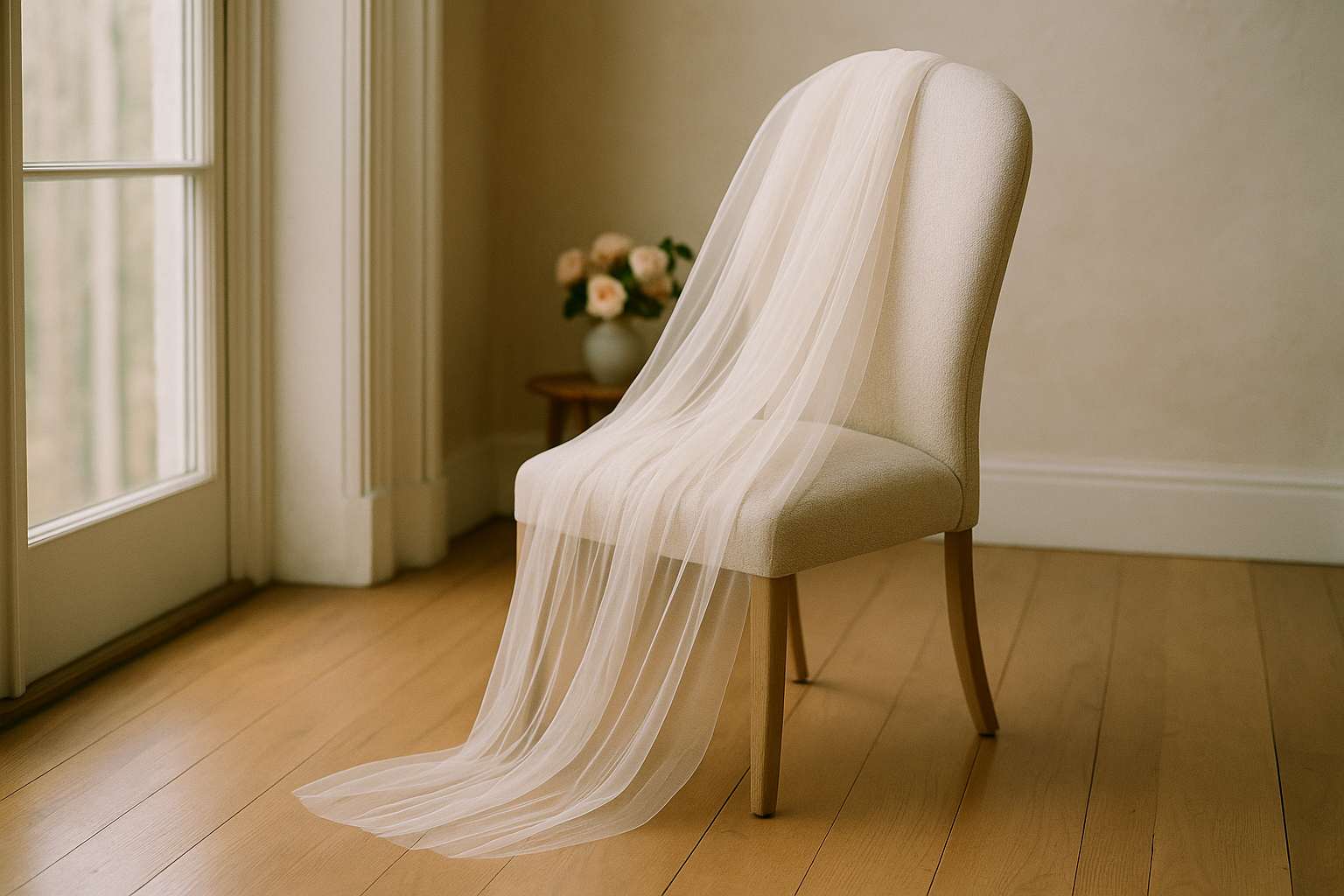
The fingertip veil (40–45 inches) is the most universally flattering choice for most brides and venues in 2026. Cathedral lengths deliver maximum drama for grand indoor ceremonies, chapel lengths balance formality with manageability, and the blusher or elbow length suits intimate and outdoor settings. Your gown silhouette, venue scale, and comfort level with logistics are the three variables that determine your ideal length.
Why does veil length matter more than most brides realize?
A veil does not merely accessorize a gown — it changes the entire visual story of a bride's entrance. The same dress can read as soft and romantic, architecturally grand, or quietly elegant depending entirely on the veil choice. It shapes the silhouette from behind, creates movement as you walk, and provides the ceremony photographs their most sweeping, emotional depth. And yet most brides give the veil far less deliberate attention than they give their shoes.
According to industry surveys, approximately 55 to 65 percent of brides wear some form of veil on their wedding day — a figure that has remained remarkably stable through 2025 and 2026 despite every prediction of its decline. Those who have worn one consistently report it as one of the most meaningful elements of their look, and those who skipped it frequently wish they had at least tried one in the salon. The decision deserves proper time and genuine attention. This guide gives you the framework to make it with confidence.
What are the bridal veil lengths and what does each one actually look like?
Veil lengths are measured from the comb or attachment point at the crown of the head straight down the back. Here is every standard length, what it looks like in practice, and where it works best.
| Name | Approximate Length | Falls To | Best Venue Scale | 2026 Popularity |
|---|---|---|---|---|
| Blusher | 18–30 inches | Chin to shoulder | Any — worn over face for ceremony reveal | Resurgent (over-face moment trend) |
| Elbow | 25–32 inches | Elbows when arms are relaxed | Intimate, outdoor, garden, barn | Steady — classic and practical |
| Fingertip | 40–45 inches | Fingertips when arms hang at sides | Almost universal — most versatile | Highest — perennial most-worn length |
| Chapel | 90–96 inches | 6–12 inches beyond hem | Formal indoor, church, ballroom | Growing — modern brides' dramatic choice |
| Cathedral | 114–120 inches | Well beyond hem; long train | Grand church, estate, manor | Aspirational — statement investment |
| Royal / Monarch | 144+ inches | Very extended train | Heritage, royal-aesthetic ceremonies only | Niche — custom order typically required |
The blusher is technically less a length category than a placement style — it is worn over the face during the processional and flipped back at the altar, creating the unveiling moment that has been one of the most shared social media images of the 2024–2026 wedding seasons. It can be worn alone or layered onto any longer tier. Britten Weddings' 2026 veil guide notes that the over-face blusher is among the strongest returning trends in contemporary bridal style, driven largely by the ceremony reveal video format popular on social platforms.
The elbow veil (25–32 inches) is the ideal choice for outdoor ceremonies and brides who want something unmistakably bridal without a complex logistics plan. It catches wind beautifully, suits tea-length and vintage-silhouette gowns particularly well, and can be worn comfortably through a reception without removal. Vintage-loving brides with 1960s or 1940s-inspired gowns frequently find this length the most stylistically harmonious.
The fingertip veil remains the single most popular length in 2026 for very good reason: it is long enough for strong visual impact in portraits, short enough to dance in, and flattering across virtually every gown silhouette. Two-tier styles — with a blusher paired over a fingertip tier — give ceremony drama and then flip-back versatility in a single veil. If you are uncertain which length is right for you, begin your salon appointments here.
The chapel veil (90–96 inches) extends approximately 6 to 12 inches beyond the hem of the gown, creating a beautiful trailing effect that is notably more dramatic than a fingertip veil without demanding the full logistics of cathedral length. According to The Perfect Bridal Company's veil guide, the chapel-length veil has been gaining significant ground with modern brides who want real drama while maintaining the practical ability to dance and move freely. It is an excellent choice for large indoor venues, historic churches, and estate ballrooms.
The cathedral veil (114 inches and longer) is the full statement piece of the bridal world. It requires a dedicated veil attendant during the processional, reinforced comb construction, and ideally a large, high-ceilinged venue that can do justice to its scale. When it is right, it is extraordinarily beautiful — the architectural grandeur of a cathedral veil trailing down a stone-floored aisle is genuinely incomparable. When it is wrong for the venue or the silhouette, it overwhelms everything around it. Choose it deliberately, not aspirationally.
How do fabric and edging choices change the effect of a veil?
Two veils measured at exactly the same length can look entirely different depending on the fabric and edge treatment. Understanding these variables is what separates a rushed salon decision from a considered one.
Fabric types and their visual effect: Silk tulle is the most luxurious veil fabric — it has a soft, fluid drape that catches light beautifully and falls in natural-looking folds. It is also the most expensive, with quality silk tulle veils running $200 to $800 or more. Nylon and polyester tulle is crisper and more structured; it holds volume better (which can be desirable for very full A-line gowns) and is significantly more affordable at $40 to $200 in most bridal salons. Organza has a heavier, more architectural quality that is particularly suited to chapel and cathedral lengths. For 2025–2026, the trend has moved strongly toward softer, lighter fabrics — the floaty, gossamer aesthetic rather than the stiff, structured look of earlier decades.
Edge treatments and their mood: The raw edge — an unfinished, barely-there cut that gives the veil a modern, editorial quality — has been one of the defining veil trends of 2024 through 2026. It suits minimalist and contemporary gowns beautifully. The ribbon edge (satin or grosgrain) is a classic that reads as traditionally bridal and more formal. Lace trim adds significant richness and works best when it echoes lace on the gown itself — matching the lace to the gown's appliqué is a detail that bridal photographers consistently note as one of the most beautiful relationships in the full look. Beaded and crystal edges add weight and sparkle but also add physical heaviness, which matters for long veils. Corded edges add subtle structure without excess weight.
2026 trend note: Embellished veils — scattered pearls, hand-stitched floral motifs, and scattered crystal clusters — are having a meaningful moment, driven by the broader heirloom aesthetic in bridal style. A veil with scattered pearls on a raw-edge cathedral length has been among the most-saved bridal images on Pinterest throughout 2025 and early 2026. Blush, ivory, and champagne-tinted veils continue to grow as alternatives to bright white, particularly for brides whose gowns run warm.
How much should a bridal veil cost in 2026?
Veil pricing spans an unusually wide range for a single accessory category. Understanding where quality actually lives within that range — and where you are simply paying for a label — is useful for every bride regardless of budget.
Off-the-rack polyester or nylon veils at bridal superstores and online retailers can be found for $30 to $120 and are entirely appropriate for brides who want a manageable veil for a single day's use without significant investment. Mid-range veils from bridal boutiques — quality tulle with professional construction, good edge finishing, and proper comb hardware — generally run $150 to $450 and represent the sweet spot for most brides. Designer veils from houses such as Monique Lhuillier or Ines Di Santo command $400 to $1,200 or more for their construction quality, fabric sourcing, and aesthetic detail. Custom or couture veils — hand-stitched motifs, matched lace, specialty silk — begin at approximately $800 and can reach $3,000 or more.
The single most important thing to note: a mid-range veil worn with intention and styled properly by a skilled hairstylist will photograph more beautifully than a designer veil attached carelessly. Construction quality matters; the label matters much less.
When should I shop for a veil, and what should I bring to the appointment?
Always shop for a veil after your gown has been ordered, and ideally after your first fitting when you understand how the dress actually sits on your body. The gown's neckline, back detail, silhouette, and fabric weight determine every relevant decision about the veil. Shopping before the gown — or even immediately after ordering before you have seen a fitting — frequently results in a veil that competes with the gown rather than completing it.
Bring to your veil appointment: a photograph of your gown on your body from your first fitting, any heirloom pieces you plan to wear, and a note about your venue's ceiling height and formality level. If possible, bring your hairstylist's contact information so the boutique can communicate directly about comb placement logistics for your intended style.
Allow at least 3 to 4 months before the wedding if you are ordering a custom or designer veil; production lead times for specialty pieces routinely run 8 to 16 weeks. Off-the-rack salon veils can typically be purchased and altered within 4 to 6 weeks, and many online retailers offer comparable turnaround for in-stock styles.
Frequently asked
What is the most popular bridal veil length?
The fingertip veil — measuring approximately 40 to 45 inches from the comb to the hem — is consistently the most popular length year over year, and it earns that position honestly. It falls to a bride's fingertips when her arms hang naturally at her sides, which is long enough to feel unmistakably bridal and photographically beautiful, but short enough that she can move freely through a reception, dance without stepping on it, and bustle or remove it between the ceremony and the first dance. Fingertip veils are also the most forgiving across gown silhouettes: they complement A-line, ballgown, fit-and-flare, and column styles equally well. If you are feeling uncertain between two lengths, the fingertip is almost always the safer and the more versatile choice.
Do I need a veil to look bridal?
Absolutely not — and this deserves saying plainly. A veil is a personal, sometimes faith-rooted choice, and many of the most beautifully dressed brides in any given year choose to forgo one entirely. Alternatives that carry strong bridal impact include floral hair combs, pearl-embellished headbands, a Juliet cap, a silk bow, a classic tiara, or simply beautifully styled hair with no adornment beyond earrings. That said, if you have ever imagined yourself walking down an aisle with a veil trailing behind you, the emotion of that moment is real — veils remain the single most requested bridal accessory after the gown itself, and they photograph in a way few other pieces replicate. Try one in the salon before you decide. Many brides who assumed they were not "veil people" walk out wearing one.
What veil length works best for an outdoor or garden wedding?
For outdoor ceremonies — whether a vineyard, garden, beach, estate lawn, or park — the practical hierarchy runs from shorter to longer. The fingertip veil and elbow-length veil are the most manageable outdoors: they catch the breeze beautifully without becoming a logistical challenge on grass or gravel. A chapel-length veil works well outdoors at more manicured venues with smooth stone pathways or wide lawns. Cathedral-length veils outdoors require at minimum one dedicated veil attendant, weight-bearing comb construction, and ideally windless conditions. They are spectacular in photographs when well-managed, but they demand real planning. For very intimate outdoor settings — a micro-wedding, a coastal elopement, a backyard ceremony — a blusher or a single-tier elbow veil provides romantic visual impact in perfect proportion to the space.
Should the veil match the dress fabric exactly?
Matching fabric is ideal but not required, and often difficult in practice. Most veils are made from silk tulle, nylon tulle, or organza, while gowns span hundreds of fabric types. The key is tonal harmony rather than identical material. A veil should be within the same white family as your gown — pure white, ivory, champagne, or blush — so that the two read as intentionally coordinated. A stark white veil against a warm champagne gown will look mismatched in photographs. The best way to check is to hold the veil directly against the gown in natural daylight and photograph the result. If your gown has lace, ask your bridal salon whether a lace-trim or lace-edged veil is available to echo that detail; this is particularly beautiful with Chantilly or Alençon lace gowns.
How do I attach a veil, and will it damage my hairstyle?
Most veils attach via a comb — a small plastic or metal comb sewn into the veil's gathered heading that is slid into the hair and secured by a bobby pin or two on either side. Some veil styles use a clip, a barrette-style clasp, or are sewn directly onto a headpiece. The critical step that most brides overlook: your hairstylist must see your veil at your hair trial, not for the first time on the wedding morning. The placement of the comb, the angle at which it sits, and the amount of lift or tension it creates all vary by hairstyle, veil weight, and the specific construction of the veil. Heavier or longer veils — chapel and cathedral lengths in particular — benefit from reinforced double-comb construction and additional pinning by your stylist. A veil that is properly anchored will not damage the hairstyle; a veil that falls during the processional because it was never tested at the trial is entirely preventable.
What veil length is right for a ballgown or princess silhouette?
Ballgown and full A-line silhouettes have inherently dramatic proportions, which means they can support — and actually benefit from — longer veil lengths without being overwhelmed. The cathedral veil is a classic and iconic pairing with a full ballgown: both make bold visual statements, and together they create the sweeping, formal bridal image that most people picture when they imagine a traditional wedding. The chapel-length veil is an equally beautiful choice that offers similar dramatic proportion with slightly more practicality. The fingertip length also works well on a ballgown, particularly in a two-tier style where the blusher adds ceremony drama and the longer tier creates movement. Shorter veils — blusher or elbow — can look undersized against a full ballgown and are generally not recommended unless the bride specifically prefers a lighter, less traditional look.