Fashion & Beauty
Buy vs. Rent a Wedding Suit: The 2026 Decision Guide
The math is closer than most grooms expect — and the right answer depends less on price than on what you are actually buying and whether you will wear it again.
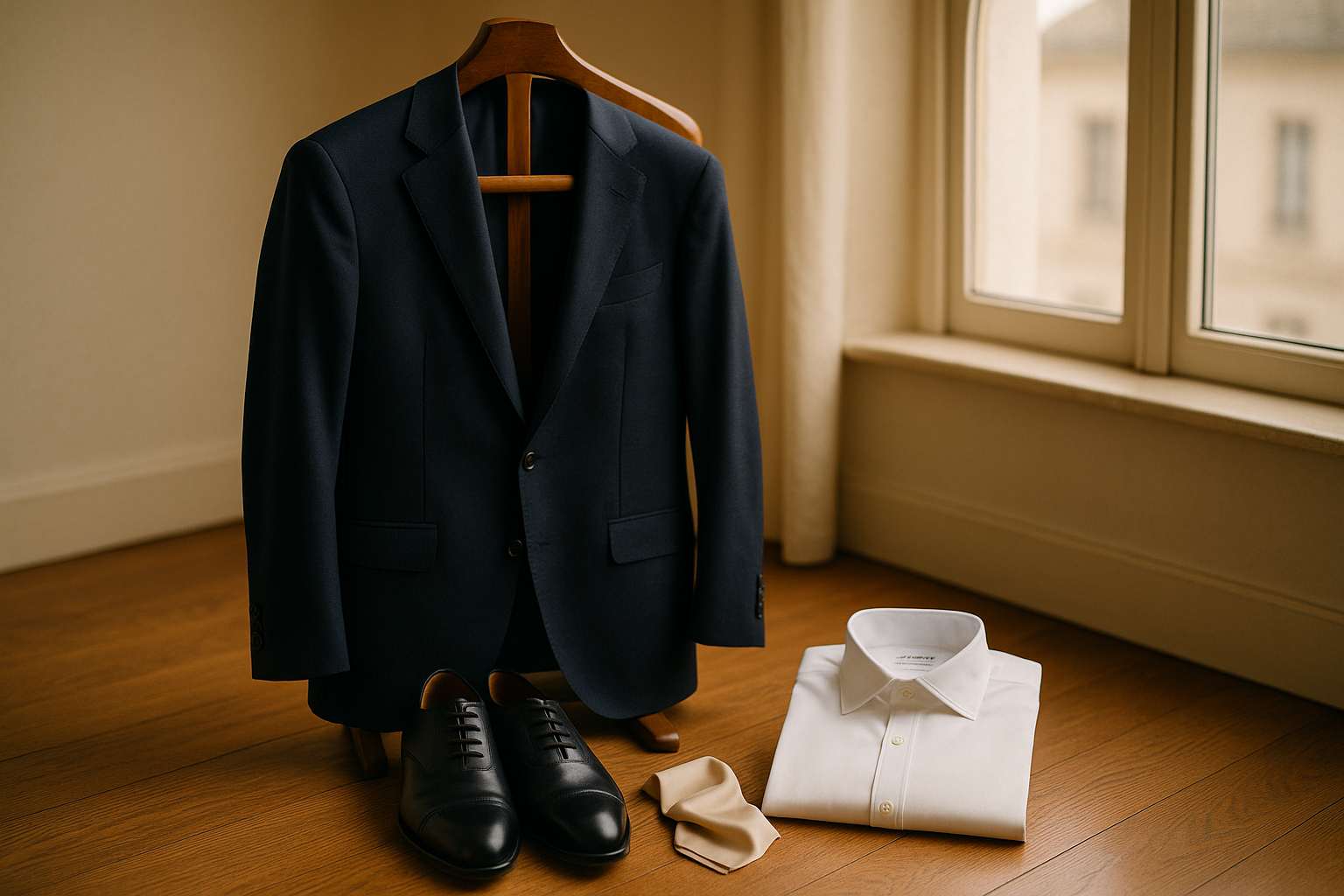
For suits, buying almost always wins: SuitShop's purchase price (~$199) is competitive with rental fees at The Black Tux (~$160) or Men's Wearhouse (~$200), and you keep a versatile garment. For tuxedos, rental is typically the smarter choice unless the groom attends black-tie events regularly — premium tuxedo rentals at $150–$300 access quality that would cost $1,500+ to own at retail.
Why does the buy-versus-rent question matter so much?
Most couples spend real energy on the bride's gown and relatively little on the decision framework for groom and groomsmen attire — which means it often gets resolved by default (usually rental, because it feels easier) rather than by genuine analysis. The cost difference between buying and renting a suit in 2026 is smaller than most people expect, the quality difference has narrowed considerably with the rise of direct-to-consumer suit brands, and the regret pattern is asymmetric: grooms who bought a well-fitted suit rarely regret it; grooms who rented often wish they had something to keep. Running the numbers explicitly, rather than choosing by gut, is worth the twenty minutes.
What are the actual costs in 2026?
The Knot's 2025 Real Weddings Study puts the average rental cost for male ceremony attire at approximately $205 per person. Individual retailer pricing ranges considerably:
| Retailer | Model | Avg. Price | Hidden Fees | Keep It? |
|---|---|---|---|---|
| Men's Wearhouse | Rental | $99–$249 | $12 damage/handling fee + $20–$40 group deposit | No |
| The Black Tux | Rental | ~$160 | $5 damage waiver; unreturned fees up to $899 | No |
| SuitShop | Purchase | ~$199 (jacket + trousers) | None; free standard shipping | Yes |
| Indochino | Made-to-measure purchase | $399–$699 | None; alterations included in-store | Yes |
| Generation Tux | Rental | $149–$219 | $7.99 care kit fee; late-return charges | No |
The headline finding: SuitShop's purchase price of approximately $199 is directly competitive with The Black Tux's rental fee of $160 and below Men's Wearhouse's average rental cost of $200. The math of renting a suit — rather than a tuxedo — is increasingly difficult to justify when purchase prices have reached parity. What the comparison above does not capture is the cost of alterations: expect $75–$200 per person for a full alteration package on any garment, rented or purchased. Factor that in before declaring a winner.
When does renting win, and when does buying win?
The clearest framework separates suits from tuxedos.
For suits: buy almost always wins
A well-fitted suit in navy, charcoal, or a rich neutral color is one of the most re-wearable garments in a man's wardrobe. Job interviews, business dinners, funerals, and every wedding in the next decade will all benefit from having one. When the purchase price is comparable to the rental price — and with brands like SuitShop and Bonobos it often is — there is no compelling argument for returning the suit on Monday. The post-wedding life of a purchased suit converts a single-occasion expense into a long-term wardrobe investment.
For tuxedos: rent unless you attend black-tie regularly
A tuxedo's post-wedding versatility is genuinely limited. The satin lapels and grosgrain accents that make it correct for black-tie events make it wrong for everything else. Unless the groom attends black-tie dinners, galas, or formal events multiple times per year, owning a tuxedo means storing a garment that will be worn once or twice over a decade. The Black Tux's Head of Merchandising has noted publicly that their rental customers are accessing fully canvassed, fine-wool tuxedos that would cost $1,500 or more to purchase at retail. That quality-to-cost ratio makes rental the rational choice for most grooms. The exception: a groom who genuinely will wear a tuxedo again, or one investing in a heirloom-quality garment as a deliberate choice.
What about the groomsmen?
The coordination logistics of groomsmen attire are often more complex than the buy-versus-rent decision itself. A few principles that prevent the most common failures:
- Order everything from the same retailer. Dye lots vary slightly across manufacturers. Suits from different sources will read as visibly different shades in photographs even when nominally the same color.
- Communicate the cost before the ask. Disclose attire cost expectations to groomsmen before they formally agree to the role — not afterward. A $250 rental and an $800 custom suit are both defensible; surprising a groomsman with the higher number after he has already accepted is not.
- Set a measurements deadline with a two-week buffer. Assume one groomsman will be two weeks late submitting measurements. Build that buffer into your deadline. Remote groomsmen can submit measurements through a tailor in their home city or through online measurement tools provided by most rental services.
- Use group fittings for local groomsmen. Scheduling a single in-store appointment for all local groomsmen creates accountability, catches fit issues while there is still time to address them, and turns a logistical obligation into a genuinely enjoyable pre-wedding event.
Men's Wearhouse, Generation Tux, and The Black Tux all offer group pricing — the groom's rental is typically free when the wedding party reaches a minimum of four to five paying rentals. Always ask about group pricing at the first consultation; retailers rarely volunteer it unprompted. For more detail on coordinating groomsmen looks and seasonal color choices, see our complete guide to wedding party attire.
Frequently asked
What does the average groom spend on wedding attire in 2026?
According to The Knot 2025 Real Weddings Study, the average cost of male ceremony attire is approximately $205 for a rental and $250–$450 for a purchased suit. Tuxedo purchases at premium retailers run $500–$1,500 off the rack and $1,500–$5,000 for made-to-measure or bespoke. The total attire cost for the couple — groom plus groomsmen — typically represents 5–8% of a wedding budget. For a six-person groomsmen group at the rental average, that is roughly $1,230 in total rental cost, before alterations. The practical advice: set a total groomsmen attire budget early, communicate the per-person cost to groomsmen before they commit to the role, and choose an option all of them can comfortably absorb.
Is it rude to ask groomsmen to buy rather than rent their attire?
Not inherently — but the key is transparency and timing. If you are asking groomsmen to purchase suits rather than rent, communicate that expectation and the estimated cost before they formally agree to be in the wedding party. Choosing a widely available, genuinely versatile suit in the $200–$400 range that groomsmen can realistically wear to future events is both considerate and practically sound. The ask becomes problematic when the chosen garment is so specific to the wedding's aesthetic — an unusual cut, a custom color, a distinctive fabric — that it has no real post-wedding life. In that scenario, the couple should absorb the cost or offer rental as an alternative.
How far in advance should we order or book wedding suits?
For rentals, book no later than four to five months before the wedding, with all groomsmen measurements submitted three to four months out. Popular wedding weekends in peak season (May through October) sell out rental inventory quickly at major retailers — a June date means you should be booking in January or February at the latest. For purchased suits, allow six months for made-to-measure and eight months for bespoke. Off-the-rack suits from SuitShop, Indochino, or Bonobos require three to four months to allow time for home try-on, alterations, and the inevitable groomsman who submits his measurements two weeks late. Build a two-week buffer into every deadline you communicate to groomsmen.
Can I mix tuxedos and suits within the same wedding party?
No — mixing formality levels within the same wedding party creates visible inconsistency that reads as disorganized in photographs. If the groom wears a tuxedo, all groomsmen wear tuxedos. If the groom wears a suit, all groomsmen wear suits. The groom is differentiated from his groomsmen through other means: a different lapel style, a waistcoat, a distinct pocket square, a richer shade in the same color family, or a more elaborate boutonniere. The formality tier — suit versus tuxedo — must be uniform. This applies equally to families coordinating across rented and purchased garments: a rented tuxedo from Men's Wearhouse and a purchased tuxedo from The Black Tux should both be the same garment type, even if the exact model differs.
What should I look for in a wedding suit fit?
Fit is the single most important factor in how a man looks in a suit — it outweighs color, fabric, and brand at every price point. The five non-negotiable fit points: the shoulder seam should sit precisely at the edge of the shoulder with no drooping or pulling; the jacket chest should close without straining across the buttons; the trouser should sit at the natural waist without requiring a tight belt; the sleeve should show one-quarter to one-half inch of shirt cuff; and the trouser leg should break slightly at the shoe (classic) or hem clean with no break (modern). Every off-the-rack garment requires at least one alteration. Budget $75–$200 per person for a full alteration package, and schedule the final fitting two to four weeks before the wedding — not the week of.