Fashion & Beauty
How to Choose a Wedding Dress: The Complete Guide
The average American bride spends $2,100 on her gown and tries on seven dresses before saying yes. But the dress you choose is shaped by far more than budget and preference — it is shaped by silhouette, timeline, venue, and how you want to feel for twelve straight hours. Here is how to make that decision with confidence.
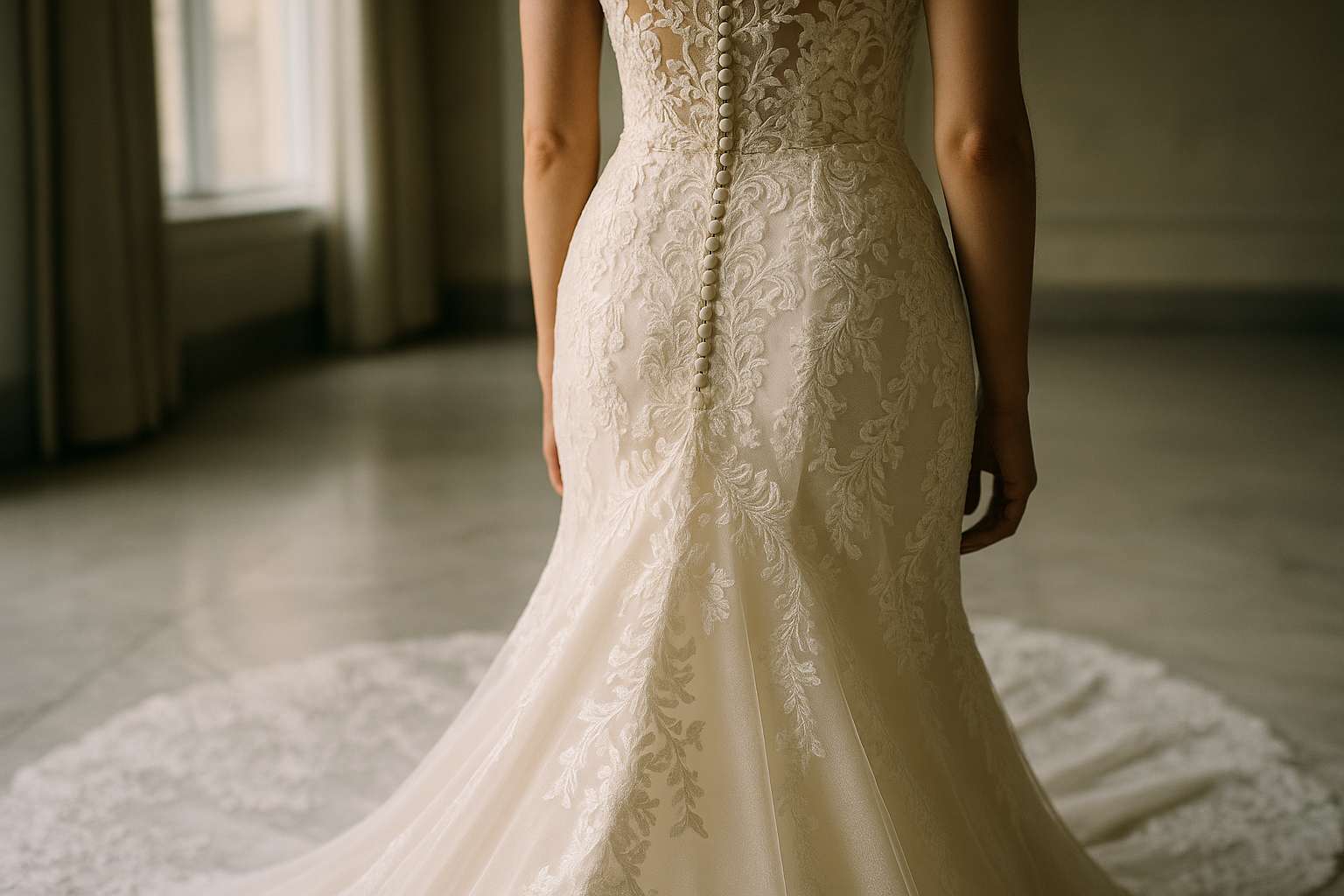
The average American bride spends $2,100 on her gown (The Knot, 2026) and tries on seven dresses across two boutiques. Before any appointment, the most important decision is silhouette — it shapes every other choice, from venue formality to how you move on the dance floor. Understand the five core silhouettes first, then shop with intention.
The dress search carries a weight unlike any other wedding decision. It is emotionally layered — family expectations, body image, tradition, and the singular knowledge that these photographs will exist for a lifetime — and it is logistically unforgiving. Miss the ordering window, and you are facing rush fees, limited options, and compressed fittings. Approach it with strategy, and the experience becomes one of the most joyful and memorable of the entire planning process.
This guide is designed to give you a clear, complete picture: the five silhouettes and what each does on the body; what to expect from the shopping process and how to prepare for it; what you should actually spend; and how to know when you have found the one.
What are the five wedding dress silhouettes, and which is right for you?
Silhouette is the architectural decision that determines proportion, movement, and how your dress reads in photographs from every angle. Before you see a fabric, a neckline, or a lace pattern, the silhouette is doing the foundational work. Understanding the five core shapes before your first appointment transforms a potentially overwhelming experience into a confident one.
| Silhouette | Shape | Best for | Consideration | 2026 Trend |
|---|---|---|---|---|
| A-Line | Fitted bodice, gradual flare from natural waist | Most body types; timeless, romantic | Not a strong silhouette for brides who want drama or movement restriction | Dropped-waist seam at the low hip for vintage elongation |
| Ball Gown | Structured bodice, dramatically full skirt from natural waist | Creating hourglass drama; camouflages hips and thighs | Physically heavy (10–20 lbs.); restricts movement; requires venue scale | Basque-waist seam; floral or feather-trimmed hems |
| Mermaid / Trumpet | Form-fitting through hip and thigh, flaring at or below knee | Distinct waist-to-hip ratio; red-carpet drama | Restricts stride; requires precise fit; comfort planning for reception | Ruched satin, floral appliqué; structured seaming |
| Sheath / Column | Straight silhouette that skims the body from shoulder to hem | Lean frames; minimalist, editorial, or civil ceremony aesthetics | Unforgiving of fit; luxury fabric determines quality entirely | Sculptural column with asymmetric draping or single shoulder |
| Empire | Seam just below the bust; fabric flows freely to the hem | Creating a forgiving, flowing line; comfort-first brides | Can add apparent volume below the bust if not fitted carefully | Delicate spaghetti-strap empire in charmeuse or chiffon |
The A-line is universally acknowledged by bridal stylists — including the teams at True Society Bridal and Essense of Australia — as the most reliably flattering silhouette across the widest range of body types, and the best starting point for brides who are uncertain where to begin. One consistent piece of advice from every experienced bridal consultant: try at least one silhouette you have already mentally ruled out. The surprise of the dressing room — loving something you rejected on a hanger, or feeling unexpectedly self-conscious in a style you loved on a blog — is one of the most consistent patterns in dress shopping.
What should your wedding dress shopping timeline look like?
The shopping timeline is more consequential than most brides realize until they are in the middle of it. Made-to-order gowns — the standard format at most full-service bridal boutiques — require 4–6 months of production time. Alterations cannot begin until the dress arrives and require 8–12 weeks of their own. A bride who wants her final fitting two weeks before the wedding must order no later than nine months out.
| Milestone | Months Before Wedding | Notes |
|---|---|---|
| Begin inspiration gathering | 14–18 months | Pinterest boards, magazine editorial, designer lookbooks |
| First bridal appointments | 10–12 months | Visit 2–4 boutiques; bring 2–4 trusted guests |
| Order placed (goal deadline) | 8–9 months | Later than 6 months typically triggers rush fees |
| Gown arrives at boutique | 4–6 months | Alterations cannot begin until arrival |
| First fitting | 8–10 weeks | Major adjustments: hem, bodice, bustle |
| Second fitting | 4–6 weeks | Refinements; accessories confirmed on the body |
| Final fitting / pickup | 1–2 weeks | Wear with all planned accessories and shoes |
What do the best 2026 wedding dresses look like?
The 2026 bridal aesthetic from designers including Maggie Sottero, Monique Lhuillier, and Vera Wang balances romantic detail with architectural structure. The trends to know:
- Corset bodices — boned, lace-up back treatments that reference heritage dressmaking while providing superb support — are the single most-requested detail at bridal appointments nationwide in 2025–2026.
- Dropped-waist A-lines, inspired by 1920s and 1930s silhouettes, dominate the romantic-editorial end of the market. The seam sits at the low hip, elongating the torso and creating a fluid line.
- Dramatic back details — low V's, intricate covered-button closures, deep cowl drapes — have become a signature of gowns that read quietly from the front and deliver an unforgettable moment when the bride turns for photographs and the processional.
- Convertible and layered looks — detachable overskirts, capes, and jackets — allow a single gown to present two or three distinct silhouettes across the ceremony and reception.
- Three-dimensional lace and embroidered appliqué, with flowers and botanical motifs at sculptural depth rather than flat against the fabric, are the defining embellishment trend.
For minimalist brides, the counterpoint is equally strong: sculptural column gowns in liquid crepe, bias-cut silk, or double-faced satin have made the sheath silhouette feel bold rather than quiet. The minimalism of 2026 is precise — about considered drape and architectural seaming rather than simply the absence of embellishment.
What should you actually budget for a wedding dress in 2026?
The Knot's 2026 Real Weddings Study places the average wedding dress cost at $2,100. But that figure captures only the gown's price tag — not the true investment in looking the way you want to look on your wedding day. A complete budget:
- Gown: $1,500–$2,500 (mid-range made-to-order); $2,500–$10,000+ (designer boutique); under $1,000 (chain retail, sample sale, consignment, or online)
- Alterations: $300–$800 for standard hem, bustle, and bodice adjustments; up to $1,200+ for complex structural work — budget this separately from the dress price, always
- Veil and accessories: $100–$800+ — veils alone range from $80 for a simple fingertip style to $500+ for cathedral with embellishment
- Undergarments: $50–$200 for the correct foundation specific to the gown's silhouette
- Shoes: $80–$400
- Day-of steaming: $75–$200
A bride spending $2,000 on her gown should realistically budget $2,800–$3,500 for the complete look. Wedding planners commonly recommend allocating 8–10% of the total wedding budget to bridal attire (gown and all accessories). On a $34,000 wedding, that is $2,720–$3,400 — a reasonable and accurate benchmark.
Frequently asked
What is the most universally flattering wedding dress silhouette?
The A-line is widely recognized among bridal stylists as the most reliably flattering silhouette across the broadest range of body types. Its defining feature is a fitted bodice that graduates into a gradually widening skirt from the natural waist — it defines the waist and creates a graceful, elongated line, while the gentle flare skims over hips and thighs without constricting. It is also one of the most comfortable silhouettes for a full day of movement, dancing, and standing. The 2026 iteration of the A-line leans into the dropped-waist seam — set at the low hip rather than the natural waist — which adds a romantic, vintage-inspired quality and further elongates the torso. Brides who are uncertain where to start their search almost always benefit from trying an A-line as their baseline.
How much does the average wedding dress cost, and what else do I need to budget?
The Knot's 2026 Real Weddings Study places the average wedding dress cost at approximately $2,100. Mid-range made-to-order gowns from bridal boutiques typically run $1,500–$2,500; high-end designer gowns from names like Maggie Sottero, Monique Lhuillier, or Vera Wang range from $2,500 to $10,000+; and couture or fully custom gowns can exceed $20,000. Budget-conscious brides can find beautiful gowns under $1,000 at chain retailers like David's Bridal, sample sales, consignment boutiques, or online retailers such as Azazie. Critically, the gown price is not the full investment: alterations ($300–$800 for typical adjustments, more for structural changes), veil and accessories ($100–$800+), undergarments ($50–$200), and steaming on the wedding day ($75–$200) typically add $700–$1,500 to the sticker price. Budget for the total look, not just the gown.
When should I start shopping for my wedding dress?
Most bridal industry professionals recommend beginning appointments 10–12 months before your wedding date, with an order deadline of 8–9 months out. The reason: made-to-order gowns from most mid-range and designer labels require 4–6 months of production time, plus 2–3 months for alterations, which cannot begin until the dress arrives at the boutique. A bride who needs her final fitting two weeks before the wedding must order no later than nine months out with standard production. Brides ordering 6–8 months out can still be accommodated by most designers with modest or no rush fees. Fewer than six months out shifts the realistic options toward sample sales, off-the-rack purchases, and brands with shorter production windows. If your engagement is short, speak directly with a bridal consultant immediately — there are always solutions, but flexibility is required.
What wedding dress silhouette works best for a full figure or plus-size bride?
A-line and ball gown silhouettes are the most widely recommended starting points for curvier or plus-size brides, though experienced stylists consistently emphasize that the 'best' silhouette is the one that makes you feel most like yourself. The A-line's gradual flare naturally balances hips and thighs against a defined waist. The ball gown's dramatic skirt volume draws the eye outward from the waist and camouflages the lower body entirely. Empire waist gowns — with a seam sitting just below the bust — suit apple shapes and create a flowing, forgiving line from the chest down. Many plus-size brides are surprised to discover they love a mermaid or trumpet silhouette, which celebrates rather than conceals curves; the key is finding a version with the right degree of stretch and comfort for a full day of wear. Try silhouettes you have mentally ruled out — bridal consultants see this surprise every weekend.
What are the biggest wedding dress trends for 2026?
The dominant 2026 bridal aesthetic balances romantic detail with architectural structure. Corset bodices — boned, lace-up back treatments that provide definition and a nod to heritage dressmaking — are the single most-requested detail at bridal appointments across the country. Dropped-waist A-lines, inspired by 1920s and 1930s silhouettes, are having a clear moment. Statement sleeves — from delicate long-lace to dramatically puffed organza — have held their 2024 momentum and evolved into more architectural shapes. Dramatic back details (low V's, intricate button closures, deep cowl drapes) are a signature of 2026 gowns that present as simple from the front and unforgettable from behind. For fabric, three-dimensional lace appliqué and allover embellishment remain strong; minimalist brides are gravitating toward sculptural column gowns in liquid crepe, double-faced satin, or bias-cut silk. Convertible and layered looks — detachable overskirts, capes, and toppers that allow the same dress to present differently for ceremony and reception — are a practical and beloved 2025–2026 trend.
How many bridal appointments should I book, and what should I bring?
Two to four boutique visits is the optimal range — enough to compare styles, service, and price points without creating decision fatigue. The Knot's 2025 data shows the average bride visits two stores and tries on seven dresses before purchasing. Book no more than two appointments in a single day; the physical and emotional demands of trying on gowns are greater than most brides expect before they experience it. For each appointment, bring nude seamless undergarments, heels at your anticipated wedding height, hair loosely pinned up so necklines and backs are clearly visible, and a small group of two to four trusted guests — not a party. Share your real budget with the consultant from the start; consultants are trained to work within any budget and hiding your number wastes everyone's time. Bring a vision board for communication of mood and style, not as a specification to be reproduced.
Is it appropriate to buy a wedding dress online?
It can be an excellent option when approached carefully. Brands like Azazie and Revelry offer made-to-measure gowns at accessible price points ($300–$1,500) with try-at-home programs or flexible return windows that meaningfully reduce the risk. Pre-owned and consignment gowns on platforms like StillWhite and PreOwnedWeddingDresses.com offer substantial savings (often 50–70% below original retail) on designer gowns. The main considerations are: read the brand's return and alteration policies before purchasing; verify measurements extremely carefully — made-to-measure requires precise measurements and a clear understanding of the brand's sizing conventions; budget for alteration costs even on a made-to-measure gown; and allow adequate lead time. Purchasing from unauthorized online resellers for luxury designer gowns is not recommended — fabric quality, construction standards, and sizing are frequently misrepresented, and no legitimate brand will service or warranty those gowns.