Fashion & Beauty
Wedding Makeup: The Complete 2026 Guide for Every Bride
Wedding makeup must look luminous in person, photograph beautifully from 30 feet away, and last 12 hours through tears, flash, and dancing. This complete guide covers everything from finding your artist to the morning-of touch-up strategy.
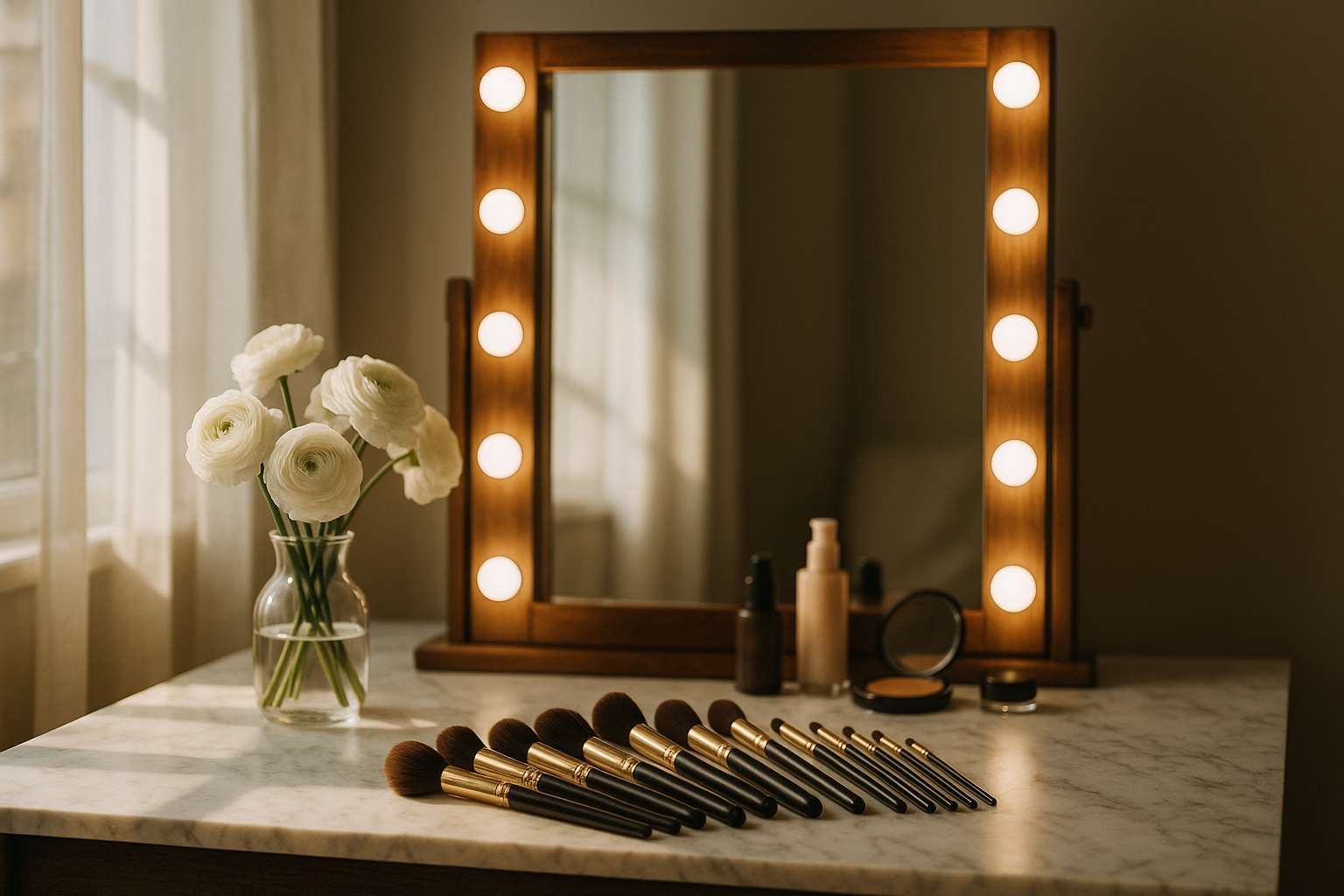
Bridal makeup must perform across 12 or more hours through flash photography, emotion, and dancing while looking luminous in both person and print. The most important investments are a well-vetted artist booked 6–12 months out, a trial scheduled 4–8 weeks before the wedding, and a layered longevity strategy that carries the look from morning through the last dance.
A bride's face is among the most photographed subjects on her wedding day — and those photographs will be viewed for a lifetime. Unlike everyday makeup, bridal makeup must navigate radically different lighting environments (golden-hour sunlight, flash photography, candlelight, fluorescent ballroom overheads), last through tears and dancing and an outdoor ceremony, and look as refined from a distance as it does in a close-up portrait. It is a specialized craft, and approaching it with the same intentionality brought to the dress and the flowers is one of the most rewarding decisions a bride can make.
How do you find and vet a professional bridal makeup artist?
The best referral source for a bridal makeup artist is not a directory — it is your photographer. Photographers see the finished result under event lighting, in print-quality images, across every skin tone and every lighting condition their venues offer. When a photographer recommends an artist without being asked, that recommendation carries real weight. Ask yours at your first meeting.
Other reliable search paths: vendor directories on The Knot and WeddingWire with verified reviews; Instagram location tags at venues similar to yours combined with “bridal makeup”; and referrals from recently married friends whose day-of photographs you admired. Directories like Junebug Weddings feature editorial-quality bridal artists whose work has been curated for aesthetic standards.
What to evaluate in a portfolio: Real brides (not only models or editorial shoots) across multiple skin tones, textures, and ages. Results that hold from ceremony to reception — ask to see getting-ready photos alongside late-reception portraits. An aesthetic register consistent with your own. Artists who specialize in bridal work understand longevity, photography, and the emotional dynamics of the morning in a way that general event makeup does not require.
Questions to ask before booking: How many bridal clients do you take per weekend? What is your cancellation and backup policy if you are ill on the wedding day? Do you have a portfolio of clients with skin types and tones similar to mine? Will you build a touch-up kit and document the exact products used? What is your process for the morning-of schedule with a bridal party?
What does a bridal makeup trial actually test — and when should you book it?
A trial is not a consultation. It is a full, completed execution of the wedding-day look, worn for six to eight hours afterward to evaluate longevity. Skipping it is one of the most commonly cited regrets among brides, and entirely avoidable.
The trial serves multiple functions simultaneously: it confirms whether the artist and bride share a visual language for terms like “natural,” “soft glam,” and “structured”; it reveals any skin reactions to specific products before the wedding day; it establishes the correct foundation shade for your skin as it will look at the wedding (including any planned spray tan); it tests how each product performs under your specific skin type and climate conditions; and it gives you a clear window to request adjustments, find a different artist, or refine the look — all while there is still time.
When to schedule the trial: Four to eight weeks before the wedding is the ideal window. Too early (six months out) and your skin color, texture, and hair may have changed by the wedding; too late (one week out) and there is no meaningful time to course-correct. Schedule the trial on the same day as engagement photos, bridal portraits, or the bridal shower if possible — this gives the look a real-world test under event conditions and produces reference photographs to bring back to the artist.
After the trial, wear the look for the full day and photograph yourself in natural light, warm indoor light, and under camera flash. Note specifically: Does the foundation settle into fine lines? Does the T-zone break through? Do any colors (especially reds and purples) photograph differently than they appear in person? Does the look feel like you? Document your change requests in writing and email them to the artist before the wedding day so there is no ambiguity on the morning.
Airbrush versus traditional application: which is right for your skin?
| Factor | Airbrush | Traditional (Hand/Brush/Sponge) |
|---|---|---|
| Wear time | 12–16 hours (properly sealed) | 8–12 hours (with premium setting products) |
| Best skin types | Oily to combination; smooth texture | All types; particularly forgiving on dry and mature skin |
| Photography finish | Seamless and photograph-ready; minimal texture | Warmer and more dimensional; looks more skin-like |
| Humidity performance | Excellent | Good with premium setting products |
| Risk on mature skin | Can accentuate fine lines | More blendable and forgiving around texture |
| Artist skill variance | High variance; requires specific training | Most experienced artists have deepest proficiency here |
| Pricing premium | $50–$150 above standard rate | Baseline pricing |
The genuine answer to this question: choose your artist based on their portfolio and results, then ask which technique they personally prefer and excel at. A master of traditional application using premium long-wear products — Estée Lauder Double Wear, NARS All Day Luminous, Armani Luminous Silk — will outperform a mediocre airbrush artist every time. Do not select an artist because they offer airbrush; select them because their work looks extraordinary on people with skin similar to yours.
What are the 2026 bridal makeup trends worth knowing?
The dominant direction in 2026 bridal beauty is skin-first — luminous, healthy-looking skin doing most of the work, with makeup as enhancement rather than transformation. The looks brides respond most to are those that look like themselves at their most refined. Several specific trends are defining this season:
- Glass skin and “no-makeup” makeup: Lightweight, luminous foundations layered over meticulously prepared skin. The focus is on texture-free, glowing complexions achieved through preparation (multi-month skincare, professional facials) rather than coverage.
- Effortless lip stains: Blotted lip color and stain formulas replacing high-gloss finishes — more kiss-proof, more photogenic, more compatible with a long reception.
- Warm, peachy tones: Terracotta blush, warm bronze, and peachy coral lips replacing the cool-toned contouring of the mid-2020s.
- Individual lash placement: Cluster lashes and individually placed extensions offering naturalism and definition without the heaviness of full strip lashes.
- Retro glamour: A counter-trend to minimalism — 1960s-inspired clean wing, classic reds, and structured brows for brides who want unmistakable presence in their photographs.
- Brushed-up brow texture: Laminated, slightly tousled brows replacing the precisely arched brow of earlier years.
The most reliable guide remains this: the bridal look a bride will love in twenty years is one that looks like her at her most beautiful — not one that announces a trend year. Honor your own features and aesthetic above what is currently photographed in wedding publications.
How do you account for photography in bridal makeup?
Flash photography is the most commonly overlooked variable in bridal makeup planning. Camera flash flattens, brightens, and washes — and certain makeup choices amplify its most problematic effects:
SPF flashback: Titanium dioxide and zinc oxide (found in most mineral and physical sunscreens, as well as many primers) photograph as a white or gray cast — particularly visible at the jaw, hairline, and décolletage. On the wedding day, switch to a chemical SPF formula (avobenzone, octinoxate, or tinosorb). Confirm with your artist that all primers and setting products are flashback-safe.
Over-highlighting: Heavy shimmer concentrations on the cheekbones, bridge of the nose, or cupid's bow can photograph as blown-out white circles under direct flash. A subtle, finely milled glow — rather than a chunky shimmer product — reads as luminous rather than overexposed.
Balancing bold elements: A very dark lip paired with an equally heavy eye tends to look flat and heavy in photographs. Professionals balance one dramatic element against a quieter one — a bold lip with a soft eye, or a smoky eye with a nude lip — to ensure the look reads with dimension rather than weight in both in-person and photographic contexts.
Ask your photographer what lighting setups they typically use at venues similar to yours. A photographer shooting primarily in golden-hour natural light has different recommendations than one who works largely in candlelit ballrooms with fill flash. That conversation, had once, is one of the most useful pieces of information you can bring to your makeup trial.
Frequently asked
How much does wedding makeup cost in 2026?
According to The Knot and Zola's 2026 cost data, professional bridal makeup in the U.S. ranges from $150 to $900 depending on the artist's experience, location, and the scope of service. The national average sits around $305, with most brides in mid-tier markets paying $218 to $424. In major metropolitan areas — New York City, Los Angeles, San Francisco, and Miami — experienced artists routinely charge $400 to $900 or more. Regional variation is significant: California averages around $500, New York around $400, Texas around $385, while less competitive markets may average $270. Airbrush application typically adds $50 to $150 to base pricing. A hair and makeup package from a single artist or team typically runs $800 to $1,200 combined. Bridesmaid and family member applications run $75 to $200 per person. The trial session — non-negotiable for any bride — adds $100 to $350, sometimes credited toward the wedding day booking.
When should I book my wedding makeup artist?
Top bridal makeup artists in major markets book six to twelve months in advance for peak-season dates (May, June, September, October). The moment you have a confirmed wedding date, begin researching and reaching out to artists — your photographer and venue coordinator are excellent referral sources because they see the finished results under event lighting and know who delivers consistently. Book your artist and schedule your trial simultaneously; experienced artists hold trial spots alongside day-of dates, and waiting to schedule the trial after booking can mean losing the most convenient window. In smaller markets or for off-peak dates, four to six months may be sufficient — but earlier is always safer.
Is airbrush makeup better than traditional application for weddings?
Neither technique is categorically superior — the best method is the one your chosen artist executes most skillfully. Airbrush foundation, applied through a compressed-air gun in ultra-fine layers, delivers exceptional longevity (12 to 16 hours when properly sealed), a photograph-ready finish, and excellent performance on oily skin in humid conditions. However, it can look mask-like on mature skin with fine lines, is less forgiving on very dry skin, and requires a specific skill set that varies significantly between artists. Traditional hand-applied foundation offers greater warmth and dimensionality, suits a wider range of skin types and aesthetics, and is the technique most experienced artists have their deepest skills in. The honest guidance: evaluate the artist's portfolio across both techniques, and choose based on their results with skin types similar to yours — not based on technique reputation alone.
What should I bring to my bridal makeup trial?
Arrive at your trial with bare, well-moisturized skin (remove any makeup on arrival if you cannot come bare-faced). Bring three to five inspiration images — varied sources, not a Pinterest board of twenty identical looks — so the artist understands your aesthetic range rather than a single reference. Bring your actual wedding earrings or the jewelry you plan to wear, so the look can be evaluated in context with the accessories. A photo of your gown's neckline and back detail helps the artist calibrate color and coverage to how much skin will be visible. If possible, bring a note on the ceremony venue's lighting (outdoor garden, indoor ballroom, candlelit chapel) — an artist who knows the environment can address flash, golden-hour warmth, or fluorescent conditions before the wedding day rather than after.
How do I make wedding makeup last all day?
Professional longevity is built through a layered system that begins with skin preparation and ends with a sealed finish. The sequence: a pore-filling, oil-controlling primer (Smashbox Photo Finish or Laura Mercier Radiance are industry staples) is applied over well-moisturized, SPF-protected skin; a long-wear transfer-resistant foundation follows (NARS All Day Luminous, Estée Lauder Double Wear, and Armani Luminous Silk are widely used in professional bridal work); a setting powder locks the foundation; and a humidity-resistant setting spray (Urban Decay All Nighter is the professional standard) fuses all layers into a cohesive finish. Your artist should prepare a touch-up kit with the exact concealer shade, lip product, blotting papers, and mini setting spray used during application — handing this to your maid of honor ensures mid-day touch-ups match seamlessly. The most common touch-up mistake is applying heavy coverage over worn foundation; blot, refresh the lip, and reset lightly.
What are the biggest bridal makeup mistakes to avoid?
Skipping the trial is the most costly. A trial is insurance against day-of disaster — it confirms the artist can execute your vision, tests skin reactions to specific products, establishes the correct foundation shade for your skin in event lighting, and reveals whether the look holds over six to eight hours. The second most common mistake is wearing SPF containing titanium dioxide or zinc oxide on the wedding day: these physical sunscreen ingredients photograph as a white or gray cast under camera flash. Switch to a chemical SPF formula for the wedding day. Over-highlighting is another flash photography pitfall: heavy shimmer on cheekbones reads as a blown-out white circle under flash — a subtle glow is more photogenic than a shimmer product designed for in-person wear. Finally, avoid introducing any new skincare within two weeks of the wedding; even well-tolerated products can trigger a reaction under the stress of the wedding season, and a broken-out complexion has no quick fix.