Food & Drink
How Much Does a Wedding Cake Cost in 2026?
The national average wedding cake costs $500–$917, but the number on your invoice depends on guest count, tier design, frosting type, and your baker's market. Here is the full 2026 pricing breakdown.
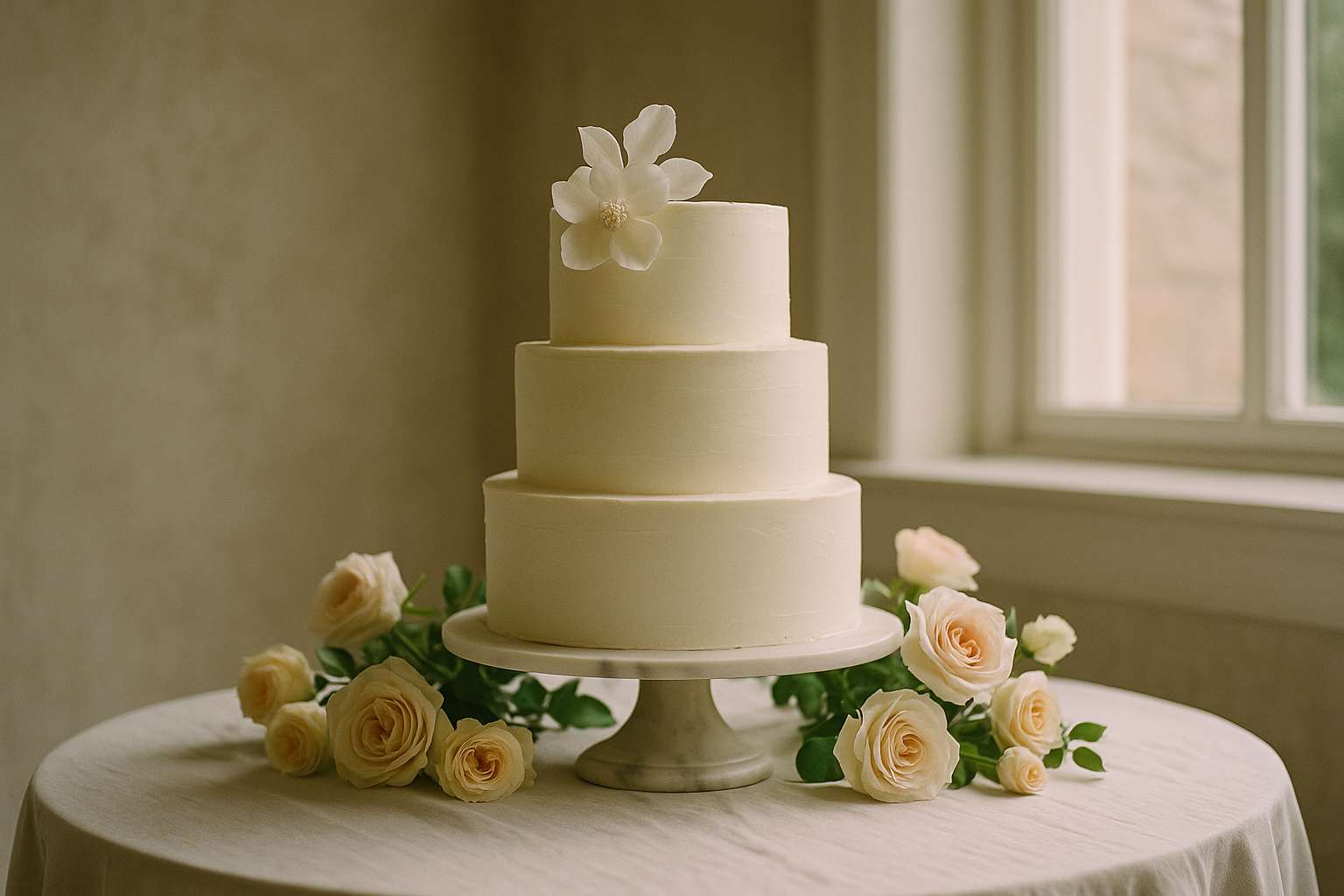
Wedding cakes nationally average $500–$917 in 2026, with per-slice pricing running $4–$8 for buttercream and $6–$12 for fondant. Most 100-guest couples budget $500–$900 for a standard three-tier cake — but city, design complexity, and the often-forgotten venue cutting fee shape your real total.
The wedding cake holds a singular place in the reception — it is simultaneously a visual centerpiece, a living tradition, and the moment the entire room gathers with one shared focus. Getting the numbers right before you walk into a tasting ensures you can invest fully in the flavors and design that actually matter to you, rather than making last-minute compromises under budget pressure.
What does a wedding cake actually cost in 2026?
National estimates for 2025–2026 wedding cake costs range meaningfully depending on the source. Zola's Wedding Cost Index (updated February 2026) cites $917 as the average including design, delivery, and setup. WeddingWire places the figure closer to $500, with most couples spending $300–$700. The Knot's 2025 Real Weddings Study supports per-slice pricing of $4–$8 for buttercream and $6–$12 for fondant as the national range.
What explains the range? Mostly geography and design. A three-tier buttercream cake in St. Louis runs approximately $474 on average; the same-tier cake in San Francisco averages $1,156. Hand-sculpted sugar flowers, pistachio-rosewater filling, and custom Lambeth-style piping can double the price of a simpler design with equivalent servings. Your per-slice price is the most useful benchmarking tool: multiply it by your expected guest count and you have a realistic starting number to bring to consultations.
| Tier Configuration | Approximate Servings | Buttercream Price Range | Fondant Price Range |
|---|---|---|---|
| 2-tier (10" + 8") | 30–50 guests | $200–$450 | $300–$600 |
| 3-tier (12" + 10" + 8") | 60–100 guests | $300–$700 | $450–$900 |
| 4-tier (14" + 12" + 10" + 8") | 120–200 guests | $600–$900 | $800–$1,400 |
| Custom luxury (5+ tiers) | 200+ guests | $1,200–$1,800+ | $1,800–$3,500+ |
| Small display cake (6") | Symbolic cutting only | $75–$150 | $100–$200 |
Major metro markets (New York, San Francisco, Los Angeles) should add 40–80% to estimates above. Rural and smaller-city markets may come in 20–40% below the national estimate.
What factors drive wedding cake prices up or down?
Design complexity is the largest single driver. A simple two-tier cake with smooth buttercream and fresh flowers placed by your florist is priced very differently from a four-tier cake with hand-sculpted sugar peonies, Lambeth-style piped scrollwork, and gold leaf detailing — the latter involves significantly more skilled labor hours. The baroque and Rococo revival trend that dominated 2025–2026 cake aesthetics is genuinely beautiful, and genuinely time-intensive for your baker to execute.
Frosting type affects cost meaningfully. Fondant adds $2–$4 per slice compared with equivalent buttercream, reflecting the additional materials and labor. If you love the smooth, sculptural look of fondant but want to reduce cost, consider a fondant exterior with buttercream filling — most guests prefer buttercream's flavor, and the visual effect is preserved.
Flavor selection plays a smaller but real role. Classic vanilla bean, chocolate, and lemon remain the most budget-friendly options because ingredients are accessible and preparation is consistent. Trend-driven flavors for 2025–2026 — pistachio with raspberry, yuzu with white chocolate, Earl Grey with lemon curd, tiramisu-inspired layers — often carry a premium per-slice surcharge of $1–$3 due to specialty ingredients and sourcing complexity.
Geographic market matters enormously. The per-slice spread between an expensive coastal city and a mid-size inland market can be $4–$6 per slice — which on a 150-guest cake represents $600–$900 in real cost difference for an equivalent design.
What hidden wedding cake costs do couples miss?
The cake invoice is rarely the final number. Three additional costs consistently catch couples off guard:
The venue cake-cutting fee is charged by most catering venues — typically $1–$3 per slice — for the labor of slicing, plating, and serving your cake. For 150 guests at $2 per slice, this is $300 added to your catering bill without appearing anywhere in the bakery quote. Ask your venue directly during the touring process and confirm in writing whether this fee applies.
Delivery and setup fees typically run $50–$150 for delivery and an additional $75–$200 for on-site assembly, depending on the distance and the complexity of the cake design. A four-tier custom fondant cake transported 45 miles and assembled at venue requires skill and time; the fee is legitimate and worth paying to a reliable baker. Always confirm whether delivery and setup are included in the quoted price or charged additionally.
Cake stand and rental items are sometimes included by the bakery and sometimes not. A premium acrylic or silver-plated stand can be rented from the bakery ($20–$75) or from your rental company. Confirm ownership and return logistics before the wedding day — a beautiful cake stand that needs to be returned during your reception is an avoidable complication.
How to save money on your wedding cake without sacrificing beauty
The most effective cost-saving strategies require no design compromise whatsoever:
Order a display cake and kitchen sheet cake. A small two-tier display cake handles the ceremonial cutting and photographs beautifully; pre-sliced sheet cake from the same bakery is served to guests in the kitchen. Flavor is identical. Cost is typically 30–40% lower than a fully custom tiered cake with equivalent total servings. This is the single most impactful budget move available to you.
Choose buttercream over fondant for a savings of $2–$4 per slice without sacrificing the visual romance — textured buttercream with organic brushstrokes or rustic swirls is among the most photographed cake aesthetics in 2025–2026.
Use fresh florals instead of sugar flowers. Your florist can place food-safe blooms directly on the cake for a fraction of what hand-sculpted sugar flowers cost in baker labor. Confirm with your florist that all blooms are pesticide-free and food-safe — this is a non-negotiable step.
Simplify the flavor menu. Three tiers with three different flavors add design complexity and baker labor. Two or three flavors maximum keeps the process clean and the quote lower.
Book early for peak seasons. Popular bakers in spring and fall markets fill their calendars 9–12 months in advance. A baker who is fully booked cannot take your order; a baker with remaining availability in a saturated season has less negotiating leverage on price. Book as soon as your venue date is confirmed.
Frequently asked
What is the average cost of a wedding cake in 2026?
National averages for wedding cakes in 2025–2026 range between $500 and $917 depending on the source and methodology. Zola's Wedding Cost Index (updated February 2026) cites $917 as the average including design, delivery, and setup. WeddingWire places the figure closer to $500, with most couples spending $300–$700. The range reflects real variation: a simple two-tier buttercream cake for 50 guests in a smaller city may cost $250–$400, while a five-tier fondant masterpiece with hand-sculpted sugar flowers in New York or San Francisco can exceed $2,000. For most couples planning a 100-guest reception, budgeting $500–$900 for a classic three-tier custom cake is a realistic benchmark before adding delivery and any venue cake-cutting fee. Major metro couples should plan toward the higher end of any range.
How much does a wedding cake cost per slice?
Per-slice pricing is the clearest way to compare bakeries, because it normalizes for guest count. According to The Knot's 2025 Real Weddings Study, buttercream cakes average $4–$8 per slice, while fondant cakes run $6–$12 per slice. Elaborate designs featuring hand-crafted sugar flowers, sculpted elements, or premium specialty ingredients (pistachio, yuzu, high-end liqueurs) can reach $10–$15 per slice or more at top boutique bakeries. For a 100-guest wedding, a $5 per-slice buttercream cake totals $500; a $9 per-slice fondant design totals $900. Always verify with your bakery whether their quoted per-slice price includes delivery and setup, or whether those carry additional fees — typically $50–$200 for delivery and $75–$200 for setup and assembly.
What is a venue cake-cutting fee and how much is it?
A cake-cutting fee is a per-slice charge assessed by most catering venues or caterers for the labor of slicing, plating, and serving your wedding cake to guests. This is a standard industry practice and applies whether you ordered your cake from the venue or brought it in from an outside bakery. Typical fees range from $1–$3 per slice, which means a 150-guest wedding adds $150–$450 to your catering bill that is easy to overlook in initial budget planning. Some couples negotiate this fee out of their contract, particularly on off-peak dates when the venue has more flexibility. Others avoid it entirely by ordering pre-sliced cupcakes or sheet cake that requires no per-piece cutting labor. Ask your venue directly about their cutting fee during the initial tour — this is one detail to confirm in writing before signing.
How many tiers do I need for my guest count?
The standard three-tier wedding cake (12-inch bottom, 10-inch middle, 8-inch top) serves approximately 90–100 guests using standard 1-inch-by-2-inch wedding slices — the industry norm for served dinner receptions. For 50 guests, a two-tier cake (10-inch plus 8-inch) is sufficient. For 150 guests, plan a three-tier cake supplemented by a kitchen sheet cake from the same bakery, which costs far less than adding a fourth tier but delivers the same flavor in generous quantities. If you want a visually grand cake without the proportional serving cost, ask your baker about dummy tiers — non-edible foam inserts that add height and drama without adding price. Square tiers yield approximately 15–25% more servings than equivalent round tiers of the same diameter, which can help control cost at larger guest counts.
Is fondant or buttercream better — and does it affect the price?
Frosting choice affects both aesthetics and cost. Fondant produces a perfectly smooth, sculptural surface that travels well, holds its shape in heat, and is the preferred choice for intricate, architecturally detailed designs. It also costs more — typically $2–$4 more per slice than comparable buttercream — due to the additional labor and materials involved. Buttercream is softer in appearance, easier to personalize with textures and brushstrokes, and is the preference for many classic and romantic designs. American buttercream is the most budget-friendly but is sensitive to temperatures above 75°F; Swiss or Italian meringue buttercream offers greater stability and a silkier finish at a moderate premium. For outdoor summer receptions, fondant is the safer choice. For climate-controlled indoor receptions where a softer, more natural aesthetic fits your vision, buttercream provides beautiful results at lower cost.
Are there money-saving alternatives to a traditional wedding cake?
Yes — and several are genuinely beautiful alternatives rather than compromises. The most popular budget strategy is the hybrid approach: ordering a small two-tier display cake for photographs and the ceremonial cutting moment, then serving pre-sliced sheet cakes from the same bakery in the kitchen. The flavor is identical, the ritual is preserved, and the cost savings are meaningful — typically 30–40% versus a fully custom tiered cake of equivalent servings. Cupcake towers are another well-loved choice, costing $3–$4.50 each and eliminating the cake-cutting fee entirely. A pie bar for an autumn or rustic wedding, a donut wall, or a dessert grazing station ($10–$20 per person for a well-curated mix of 4–6 desserts) can all serve a reception beautifully. Whatever format you choose, a small symbolic cutting cake — a 6-inch single tier for $75–$200 — preserves the cherished ceremonial moment.