Marriage & Honeymoon
How to Donate Leftover Wedding Food and Flowers in 2026
Most couples toss hundreds of dollars of food and florals at the end of their reception. Here is exactly how to redirect that abundance — legally, logistically, and beautifully — to people who need it most.
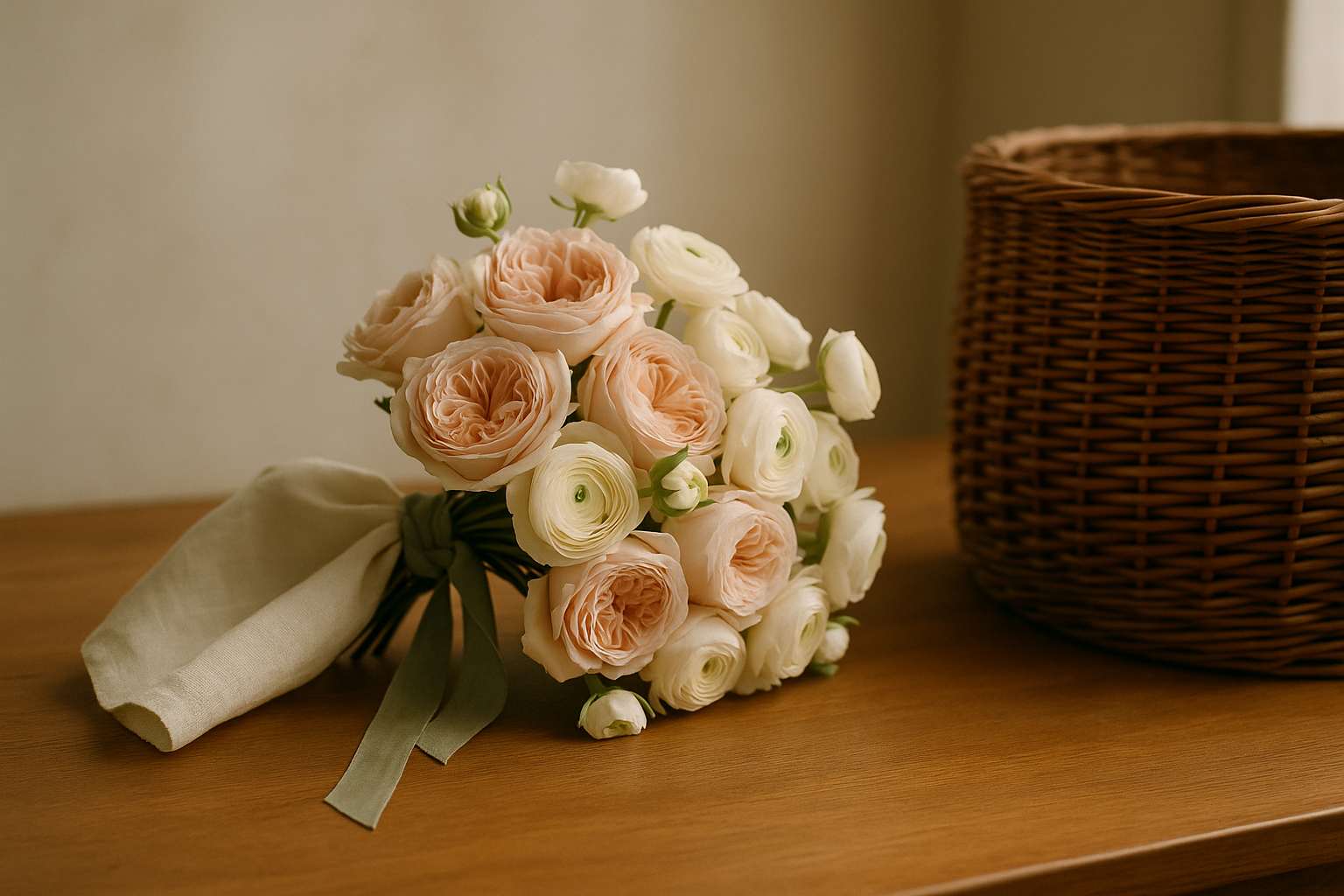
Donating leftover wedding food is fully protected by federal law, and national organizations like Repeat Roses will collect and redistribute your floral arrangements the same evening — all you need to do is make one conversation with your caterer and florist happen at least three weeks before your wedding.
Why Does Leftover Wedding Food and Flowers Go to Waste at All?
The average American wedding produces between 40 and 60 pounds of food waste — an uncomfortable figure when you consider that 34 million Americans face food insecurity, according to Feeding America's 2025 annual report. On the floral side, the U.S. floral industry generates an estimated 200 million pounds of discarded flowers each year, the vast majority from single-use events that end with arrangements hauled directly to landfills.
This happens not from callousness but from the absence of a plan. Caterers, without explicit instructions, default to discarding. Florists, without advance coordination, break down and compost on-site. The couple, exhausted and joyful at the close of the reception, assumes someone else is handling it. No one is.
The fix is entirely achievable — but it requires being arranged in advance, not improvised at 10 p.m. on the night of your wedding.
What Does the Law Say About Donating Catered Food?
Federal law explicitly protects wedding couples and their caterers who donate food in good faith. The Bill Emerson Good Samaritan Food Donation Act (42 U.S. Code § 1791, amended 2022) provides civil and criminal liability protection to any individual or organization — including caterers and event hosts — who donates apparently wholesome food without knowing of a defect that would cause harm. Your caterer is expressly covered under the statute's definition of "person." All 50 states maintain parallel food donation laws that equal or exceed federal protections.
Key requirements for protection:
- Food must be apparently wholesome at the time of donation
- Donation must be made in good faith — not to dispose of food known to be unsafe
- Donations through qualifying nonprofits (food banks, shelters, soup kitchens) carry the clearest coverage
- Gross negligence or intentional misconduct voids protection
Normal, freshly catered wedding food donated promptly is fully covered. Ask the receiving organization for a charitable contribution receipt — the food's fair market value may be deductible if donated to a qualifying 501(c)(3).
How to Donate Leftover Wedding Food: A Step-by-Step Guide
The logistics are simpler than most couples expect. The single requirement is that this conversation happens before the wedding, not during it.
Step 1: Identify Your Receiving Organization
Visit FeedingAmerica.org's food bank locator to find a certified partner near your venue. Local shelters, churches with community kitchens, and soup kitchens are also reliable recipients. Call ahead — most organizations prefer at least 48 to 72 hours' notice and have specific windows for receiving perishable donations.
Step 2: Brief Your Caterer Three to Four Weeks Out
Tell your caterer explicitly that you want leftovers packaged for donation, not discarded. Discuss: Who supplies the packaging containers? What time will the receiving organization expect pickup or drop-off? For hot food, safe temperature holding above 140°F must be maintained through service; cold perishables require refrigerated transport. Your caterer should confirm their protocol — and any caterer with experience at this scale should have one.
Step 3: Coordinate Cocktail Hour and Passed Appetizers
The cocktail hour is often the most overlooked source of food waste — passed appetizers and cheese boards represent significant volume. Instruct your catering captain to package any untouched cocktail hour items separately. Many food banks accept packaged hors d'oeuvres if they are individually sealed or wrapped.
Step 4: Request a Receipt
Ask the receiving organization for a written charitable contribution receipt. The IRS allows deductions for donated food at fair market value when given to a qualifying 501(c)(3) organization. Keep the receipt with your post-wedding tax documents.
Organizations That Accept and Redistribute Wedding Flowers
| Organization | Service Model | Coverage | Cost to Couple |
|---|---|---|---|
| Repeat Roses | Full-service team pickup, same-night bouquet building and delivery | Nationwide (major metros) | $250–$600+ |
| ReVased | Directory of 150+ nonprofits; couple arranges drop-off | 44 states | Free |
| Repurposed Rose | Volunteer-driven pickup and delivery to care facilities | San Francisco Bay Area, Central Valley CA | Free |
| Flower Again | Event donation requests; April–October season | Select U.S. cities | Free |
| Random Acts of Flowers | Pickup and hospital/care facility delivery | Select U.S. cities | Free |
| Local hospitals, hospices, churches | Direct drop-off; call in advance | Local | Free |
How Repeat Roses Works
Repeat Roses is the most comprehensive full-service option available to U.S. couples. After your reception ends, their strike team arrives at the venue, disassembles your centerpieces and arrangements, and rebuilds them into petite bouquets. These are delivered the same evening or early the next morning to hospice care facilities, cancer treatment centers, mental health facilities, and domestic violence shelters. They also coordinate composting of depleted blooms so nothing reaches a landfill, and provide a charitable contribution receipt.
Book Repeat Roses at least two to four weeks before your wedding. Coordinate with your florist and venue coordinator to allow their team venue access after the reception. They operate in most major U.S. metropolitan areas; check their website to confirm service in your city.
Free and DIY Donation Options
If your budget does not include a service fee, free paths are abundant. ReVased maintains a Nonprofit Floral Donation Directory featuring more than 150 vetted organizations in 44 states — search by location, call the organization directly, and arrange a next-morning drop-off. Repurposed Rose uses volunteers to redistribute flowers in the San Francisco Bay Area. Local hospice facilities, senior living communities, churches, and domestic violence shelters almost universally welcome fresh donated flowers — always call at least 48 hours ahead to confirm capacity and arrange logistics.
A zero-logistics alternative: at the end of your reception, set out bud vases or cones of butcher paper and invite guests to take centerpiece stems home. This requires no planning, no third party, and no cost — and it turns the close of your celebration into a final gesture of generosity.
Floral Preservation: Keeping Your Bouquet as an Heirloom
Your bridal bouquet does not need to be donated — and if it carries deep personal meaning, preserving it as a keepsake is a beautiful choice. Three approaches produce lasting results:
- Freeze-drying: The most lifelike option. A professional botanical preservation studio freeze-dries blooms in their natural three-dimensional form and displays them in a glass dome or shadow box. Cost: $200–$600, with a four- to six-week turnaround. Notable studios include Forever in Bloom and Botanical Bright.
- Pressed-flower art: Individual blooms are pressed and mounted into framed artwork, coasters, ring dishes, or book inserts. Professional studios charge $150–$500. DIY pressing with a flower press or heavy books costs almost nothing but requires patience.
- Air-drying: Hang the bouquet upside-down in a dark, dry space for two to three weeks. Results vary by flower type — dried roses, lavender, and eucalyptus hold color and form well. Cost: $0–$30 for a display vessel.
Building Donation Into Your Vendor Contracts
The most seamless approach is to address donation explicitly in your catering and florist contracts before you sign. Add a line specifying that leftover food will be packaged and transported to a named organization rather than discarded, and that floral arrangements will be made available for pickup by a named organization at reception end. Some venues and caterers in the mid-range and above tier now include a sustainability commitment as a standard contract clause — ask directly whether this is available.
In 2025–2026, floral sustainability has moved from a niche request to a mainstream expectation in the wedding industry. A growing number of wedding planners report that clients ask about donation logistics as part of the initial planning conversation, and some venues now require a sustainability plan for post-event florals as a condition of booking.
Pre-Wedding Checklist: Zero-Waste Food and Flowers
- Three to four weeks out: Call your caterer; confirm donation packaging protocol and identify receiving food bank or shelter
- Three to four weeks out: Book Repeat Roses or identify a free floral donation organization; confirm they can receive on your date
- Two weeks out: Add donation logistics to your vendor day-of timeline and share with your wedding coordinator
- One week out: Confirm receiving organization contact and drop-off window with your caterer
- Day of: Brief the catering captain on packaging protocol; confirm floral pickup time with your florist or Repeat Roses
- After the wedding: Collect charitable receipts for tax records
Frequently asked
Is it legal to donate leftover catered wedding food?
Yes — and federal law specifically protects you and your caterer when you do. The Bill Emerson Good Samaritan Food Donation Act (42 U.S. Code § 1791, amended 2022) provides civil and criminal liability protection to individuals, caterers, and organizations that donate apparently wholesome food in good faith. Your caterer is expressly covered under the statute. All 50 states also have parallel state-level food donation laws that equal or exceed federal protections. The key conditions: food must be apparently wholesome and meet quality standards at the time of donation, the donation must be made in good faith, and donations should ideally flow through a qualifying nonprofit such as a food bank, shelter, or soup kitchen. Gross negligence voids protection, but normal catered wedding food donated promptly and properly is fully covered. Always ask for a charitable contribution receipt — the food's fair market value may be tax-deductible.
What is Repeat Roses and how does it work?
Repeat Roses is a national floral repurposing service that sends a team to your venue immediately after your reception concludes. Their staff disassembles your arrangements, rebuilds them into petite bouquets, and delivers them the same day to hospice care facilities, cancer treatment centers, mental health facilities, and domestic violence shelters. They also arrange composting for depleted blooms, so nothing reaches a landfill. After the delivery, Repeat Roses provides you with a charitable contribution receipt for tax purposes. The service typically costs $250 to $600 or more depending on floral volume and your city. To use Repeat Roses, book through their website at least two to four weeks before your wedding and coordinate your florist and venue to allow their team access at the end of your reception. They operate in most major U.S. metro areas.
Can I donate flowers myself without using a paid service?
Absolutely. Several free or low-cost paths exist. ReVased maintains a Nonprofit Floral Donation Directory with more than 150 vetted organizations across 44 states — you search by location, contact the organization directly, and arrange a drop-off. Random Acts of Flowers operates in select U.S. cities and picks up donated flowers for hospital and care facility deliveries. Repurposed Rose serves the San Francisco Bay Area and Central Valley. Flower Again accepts event flowers from April through October with advance notice. Local hospice facilities, senior care homes, churches, and domestic violence shelters also welcome fresh flowers — always call at least 48 hours ahead to confirm they can receive perishable donations and to coordinate logistics. For any of these options, flowers should be delivered within 12 to 18 hours of the reception ending for best results.
How do I arrange food donation with my caterer before the wedding?
The single most important step is a conversation with your caterer at least three to four weeks before your wedding — not the evening of. During this call, confirm that the caterer is willing to package leftovers for donation rather than discarding them, establish who is responsible for supplying packaging containers, and identify your receiving nonprofit in advance. Search FeedingAmerica.org's food bank locator for a certified partner in your area. For hot food, safe temperature holding above 140°F must be maintained through service; refrigerated transport is required for cold perishables. Ask your local health department for jurisdiction-specific guidelines if you have questions about temperature handling. Request a charitable contribution receipt from the receiving organization — the food's fair market value may be deductible on your federal taxes if donated to a qualifying 501(c)(3) organization.
What should I do with my bridal bouquet if I want to keep it as a keepsake?
Three preservation approaches give lasting results at different price points. Freeze-drying maintains the natural three-dimensional form of the blooms and is the most lifelike option — professional botanical preservation studios freeze-dry and display your bouquet in a glass dome or shadow box for $200 to $600, with a four- to six-week turnaround. Pressed-flower art presses and mounts individual blooms into framed artwork, coasters, ring dishes, or book covers — professional studios charge $150 to $500 depending on complexity, while DIY pressing with a flower press or heavy books costs almost nothing. Air-drying is the simplest method: hang the bouquet upside-down in a dark, dry space for two to three weeks. Results vary by flower type and humidity, but roses and dried botanicals hold their color well. Pair any preserved bouquet with a small framed card bearing a line from your vows for a complete display piece.
Can wedding centerpiece flowers be donated differently than the bridal bouquet?
Yes — and centerpiece flowers are often the most impactful donation because of their sheer volume. Reception centerpieces can be handed directly to guests at the end of the evening, which requires no logistics and extends the joy of your celebration. Set out bud vases or butcher-paper cones near the exit and invite guests to take stems home; this typically reduces floral waste by 60 to 80 percent with no added cost. Any remaining arrangements can be boxed or wrapped and dropped off at a receiving organization, donated through a service like Repeat Roses, or delivered to a local church, hospital lobby, or community center. If your venue or florist is contracted to strike the tables themselves, negotiate into your vendor contracts that they package and transport leftover arrangements to a named nonprofit rather than discarding them — some venues in the $3,000 and above tier now include this as a standard sustainability commitment.