Photography & Film
Wedding Photography Styles: The Complete Guide (2026)
Choosing a wedding photographer without understanding the major styles is the single most common cause of regret. This guide explains documentary, fine art, editorial, and traditional photography — and how to find the right match for your wedding.
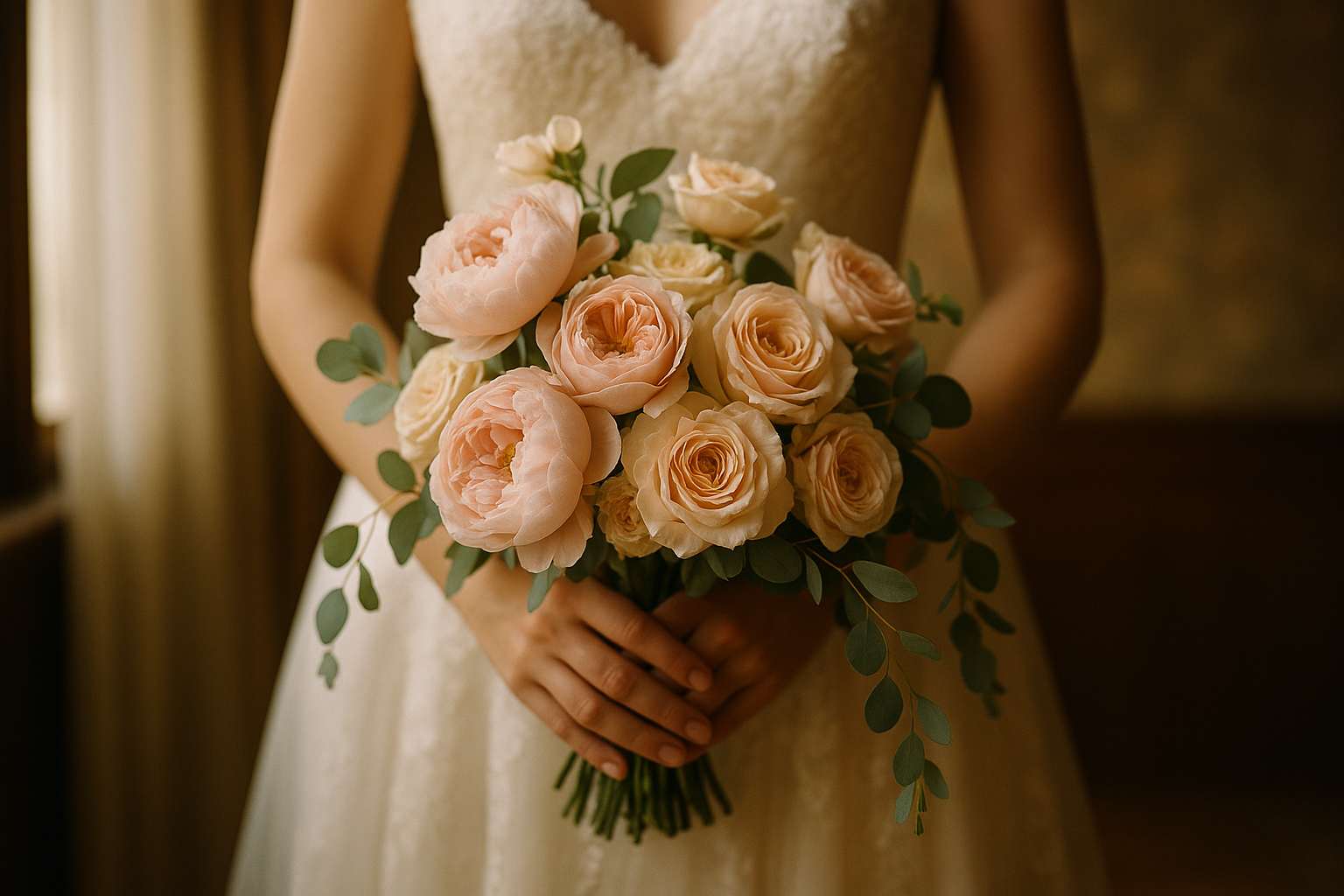
Wedding photography style is the single most important factor in how your images will feel decades from now. The four major styles — documentary, fine art, editorial, and traditional — produce fundamentally different galleries. Understanding which one reflects your personality and vision before you search saves you from the most common wedding photography regret: booking a photographer whose style you love at first glance but whose full-day work doesn't match what you actually wanted.
What are the four main wedding photography styles — and how do they actually differ?
Documentary (photojournalistic) photography captures your day as it unfolds — no direction, no staging, no intervention. The photographer operates as an observer, moving through the day like a skilled journalist, anticipating moments before they peak. The result is a narrative arc of genuine emotions: tears, laughter, surprised glances, quiet hands held. Editing tends toward natural, true-to-life color. This style is best evaluated not by a photographer's homepage hero shot but by a complete gallery from a single real wedding — 400 to 700 images that reveal how they handle the full day, not just the golden hour portrait session.
Fine art photography treats each image as a considered composition — an art object in its own right. The photographer brings a visual vocabulary drawn from painting, architecture, and contemporary art photography. Light is deliberate; backgrounds are intentional; shadow and color are controlled or carefully selected. Film photography (medium format or 35mm) is common in this style, producing soft tones, gentle grain, and timeless warmth. Fine art photographers typically carry premium pricing: packages starting at $5,000–$8,000 for experienced practitioners, with renowned artists charging $10,000–$25,000 or more.
Editorial photography is inspired by high-fashion magazine spreads. Portraits are directed, but with a relaxed human intentionality rather than rigid posing. The photographer provides clear, gentle guidance — positioning, light interaction, movement — while keeping the energy natural and connected. The resulting images feel elevated and fashion-forward without feeling stiff. This style requires compositional confidence and a clearly defined visual identity from the photographer.
Traditional (classic posed) photography prioritizes a complete, organized record of the day. The photographer works through a shot list — formal family groupings, wedding party portraits, key ceremony moments, staged reception highlights. Every important group is documented. This approach values completeness and dignity over spontaneity and is particularly well-suited to families who prize formal documentation and to faith traditions where formal ceremony photography is expected.
What photography style is trending in 2026 — and what does it actually look like?
The dominant style in 2025–2026 is what photographers call the documentary-editorial hybrid: observational coverage throughout most of the day, with intentional portrait sessions where an editorial eye is applied — guided movement rather than stiff posing, beautiful natural or cinematic light rather than bounce flash, and compositional artistry that elevates the candid. According to Green Wedding Shoes' 2026 wedding photography trend report, editorial, documentary, and film aesthetics are all rising simultaneously — but the deepest shift is away from heavily processed, preset-driven editing toward true-to-life color and natural processing.
Other notable 2026 trends include:
- Film and analog aesthetics — not nostalgic pastiche but the genuine tonal warmth and organic grain of real film; many photographers now offer film coverage alongside digital
- Direct flash / paparazzi style for reception coverage — recalling vintage editorial archives from the 1990s and early 2000s
- Multi-format storytelling — photography, Super 8 film, drone, and video from one unified creative team
- Cinematic photography — moody, narrative-rich images that read as film stills, with deliberate color grading and dramatic light
- Unplugged ceremonies — approximately 60–70% of couples now request phone-free ceremony coverage, which dramatically improves the photographer's ability to capture emotional moments without guests' devices in the frame
| Style | Typical editing | Direction level | Best for | Starting price range |
|---|---|---|---|---|
| Documentary | Natural, true-to-color | None to minimal | Couples who dislike posing; emotional storytelling | $2,500–$5,000 |
| Fine Art | Painterly, film-warm, soft grain | Moderate (portrait sessions) | Art-gallery aesthetic; heirloom quality | $5,000–$10,000+ |
| Editorial | Cinematic, color-graded identity | High during portraits | Fashion-forward; strong venue architecture | $3,500–$8,000 |
| Traditional | Even, flattering, flash-supplemented | High (structured shot list) | Large families; complete documentation | $1,500–$3,500 |
| Documentary-Editorial Hybrid | True-to-life with editorial portrait sessions | Low day-of; moderate portrait sessions | Most modern couples; versatile | $3,000–$6,500 |
How do you choose the right wedding photographer — a step-by-step process?
Step 1: Define your style preferences before you search. Pull 20–30 wedding photos you are genuinely drawn to from Pinterest, Instagram, and publications like Style Me Pretty, Junebug Weddings, and Green Wedding Shoes. Study them without reading captions. Identify patterns: are they candid or posed? Is the light dramatic or soft? True-to-color or warmly processed? This exercise clarifies your visual vocabulary before any sales conversation begins.
Step 2: Set your budget. Industry guidance places photography at 10–15% of total wedding budget. According to Zola's Wedding Cost Index, the national average is $4,400, with most couples spending $3,500–$5,300. The Knot's 2025 Real Weddings Study places the average at $2,900. Regional variation is significant: NYC averages $5,500; Southwest markets average $2,649.
Step 3: Request complete galleries, not just portfolios. Every photographer's website features their absolute best work. A complete gallery from a real wedding (400–700 images) reveals consistency throughout the full day: how do they handle indoor reception lighting? Family formals? The quiet moments between ceremony and dinner? Any professional photographer should willingly share a complete gallery upon request.
Step 4: Consult and assess chemistry. You and your photographer will spend 8–12 hours together on the most emotionally intense day of your life. Chemistry, trust, and communication style matter as much as technical skill. During your 30-minute consultation, ask yourself: do I feel at ease with this person? Would I feel comfortable following their direction?
Step 5: Book with a signed contract and retainer. Once you have chosen your photographer, secure the date immediately — verbal agreements mean nothing. Sign the contract and pay the retainer (typically 25–50% of the package total) on the same day. In-demand photographers at popular venues during peak season book 18+ months out. Lock in current pricing: many photographers raise rates annually, and booking a year in advance locks the rate at time of contract.
Special considerations for religious and cultural ceremonies
Many religious settings impose photography restrictions. Catholic churches frequently restrict flash during Mass and limit photographer movement to designated areas. Jewish Orthodox ceremonies may prohibit photography on Shabbat. Hindu and South Asian ceremonies span multiple days and rituals, each with distinct documentary priorities — the Baraat, Saptapadi, and vivid color symbolism require a photographer who understands what each moment means. Brief your photographer on every restriction and cultural significance at least two to three weeks before the wedding, in writing. A photographer who has previously worked at your venue and within your faith tradition is not a luxury — it is a meaningful advantage.
Frequently asked
What are the main wedding photography styles?
The four major styles are documentary (photojournalistic), fine art, editorial, and traditional (classic posed). Documentary photography captures your day as it unfolds — unscripted, candid, emotionally driven — and is best evaluated by reviewing a complete gallery from a single wedding, not just a photographer's homepage highlights. Fine art photography treats each image as a composed art object, often using film or film-emulating processing for painterly warmth. Editorial photography is fashion-magazine-inspired — directed portraits with a relaxed, human intentionality, cinematic lighting, and compositional boldness. Traditional photography prioritizes a complete, organized record — family groupings, wedding party portraits, key ceremony moments. The dominant approach in 2025–2026 is a documentary-editorial hybrid: observational coverage throughout the day, with intentional portrait sessions that apply an editorial eye.
How much does a wedding photographer cost in 2026?
According to The Knot's 2025 Real Weddings Study (nearly 17,000 newlyweds surveyed), the national average for a wedding photographer is $2,900, with a range of $2,649–$3,574 depending on region (Southwest lowest; Mid-Atlantic highest). Zola's Wedding Cost Index places the national average at $4,400, with most couples spending $3,500–$5,300. Fine art photographers — especially those shooting medium-format film — typically start at $5,000–$8,000, with renowned artists charging $10,000–$25,000 or more. NYC photographers average approximately $5,500. Industry guidance: allocate 10–15% of your total wedding budget to photography.
How do you choose between a documentary and editorial wedding photographer?
Pull 20–30 wedding photos you are genuinely drawn to from Pinterest, Instagram, and wedding publication galleries. Study them without reading captions. Are they candid or directed? Is the light dramatic or soft? Are colors warm or true-to-life? Is there editorial intention or pure spontaneity? Your instinctive pattern reveals your visual vocabulary. Documentary is the right fit if you dislike posing, want to be fully present during the day, and prize emotional truth over polished aesthetics. Editorial suits couples who are comfortable being directed and whose venue has strong visual architecture. Most experienced photographers work in a hybrid — observing the day documentarily, then applying editorial intentionality during portrait sessions.
How far in advance should you book a wedding photographer?
For a peak-season Saturday wedding (May–October), booking 14–20 months out is ideal and 12–18 months is the recommended window. In-demand photographers in major markets book 18+ months in advance for prime Saturdays. For off-season or weekday weddings, 8–12 months is typically sufficient. Never assume a photographer is available — the first confirmation call from your venue coordinator should be followed immediately by a shortlist of photographers. Under 6 months of lead time is risky in most markets; popular photographers are fully booked. Secure the photographer with a signed contract and retainer (typically 25–50% of the total) on the same day you decide.
What questions should you ask a wedding photographer before booking?
The most important questions are: Will you personally shoot our wedding, or could it be an associate? Have you photographed at our specific venue before? What is your backup plan if you are ill or injured on our wedding day? Do you carry professional liability insurance and backup equipment? How do you store and protect our files, and for how long? What is your editing turnaround time for the full gallery (industry standard: 4–12 weeks)? What does a complete gallery look like — can I see 400–700 images from a single real wedding? How do you handle overtime if our timeline runs long? Can we see the full contract before we sign?
How many photos should you receive from your wedding photographer?
Industry standard is approximately 50–100 edited images per hour of coverage. An 8-hour wedding typically yields 400–700 final edited images. Raw or unedited files are not typically delivered — editing is a significant part of the craft and is included in your investment. Many photographers offer a 'sneak peek' of 10–30 curated images within 24–72 hours after the wedding. Full gallery delivery typically takes 4–12 weeks. Rush delivery is sometimes available for an additional fee. Print albums — the closest modern equivalent to a heirloom wedding album — are a separate purchase ($800–$3,000+ for a quality custom album) that many mid-range and premium packages include.
Do couples own their wedding photos?
This depends on your contract. Most photographers retain copyright (allowing them to publish images for portfolio and editorial purposes) but grant the couple a broad personal use license — including unlimited personal printing and social media sharing. Commercial use of your wedding photos for advertising or stock requires explicit licensing. Read your contract carefully and ask your photographer to clarify any terms before signing. You are purchasing a license to your images, not the copyright; this is standard industry practice and protects both parties. If you want specific usage rights — for example, to submit photos to a wedding publication — discuss this during the consultation.