Wedding Planning
The Best Month to Get Married: A Complete 2026 Guide
October leads the charts, but the best month for your wedding is the one that fits your budget, your guests, your vision, and the region where you will celebrate. Here is every factor — ranked and compared.
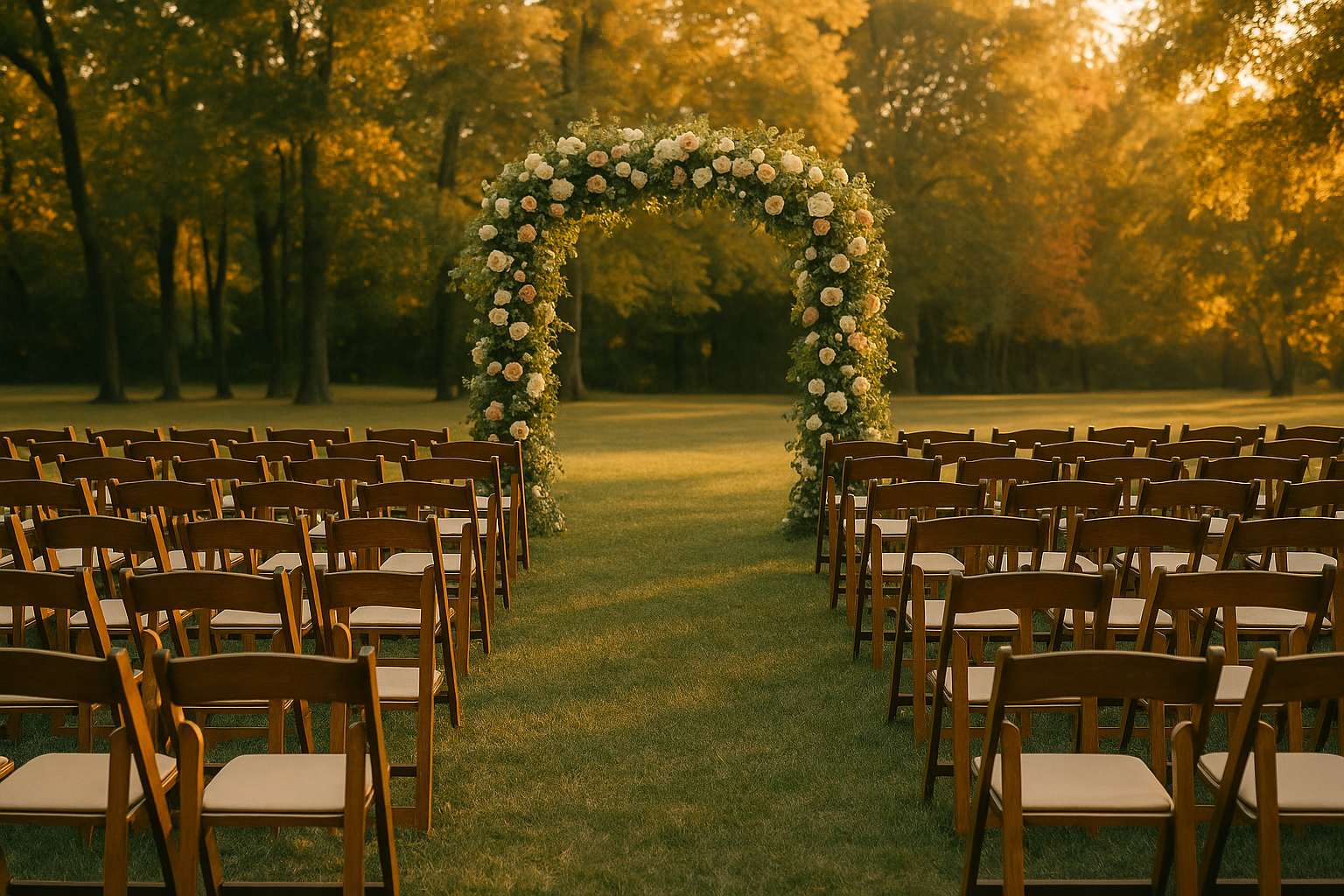
October and June are the most popular U.S. wedding months, each claiming roughly 16% of all weddings. But the best month for your wedding is the one that aligns your budget, guest access, weather preferences, and religious calendar — a choice this guide breaks down season by season.
What Does the Data Actually Say About Wedding Month Popularity?
Before you fall in love with a date, it helps to understand what you are competing with. Carats & Cake's 2025 dataset of 2,181 real weddings reveals the following distribution across U.S. weddings:
| Month | Share of All Weddings | Season | Pricing Tier |
|---|---|---|---|
| May | 15.5% | Spring | Peak |
| September | 15.4% | Fall | Peak |
| June | 13.8% | Summer | Peak |
| October | 13.0% | Fall | Peak (highest demand) |
| August | 9.6% | Summer | Peak |
| July | 8–9% | Summer | Peak |
| April | ~5% | Spring shoulder | Moderate |
| November | ~4% | Fall shoulder | Off-peak value |
| December | ~3.4% | Winter | Mixed (holiday premium) |
| February | ~2.8% | Winter | Deep off-peak |
| March | ~2.5% | Winter/Spring | Deep off-peak |
| January | ~2.0% | Winter | Deepest savings |
The top five months together — May, September, June, October, and August — account for more than two-thirds of all U.S. weddings. The remaining 24 percent of couples who marry from November through April enjoy meaningfully better vendor availability, lower pricing, and, often, more attentive personalized service from vendors who are not stretched across four simultaneous Saturday bookings.
October's long reign as the country's busiest wedding month reflects a powerful combination: the Northeast's peak foliage, mild temperatures across most of the country, and a photographic quality of light that is warm, directional, and deeply flattering. The Knot Real Weddings Study notes that October has held the top position for more than a decade — which also means October Saturdays are the most competitive dates you can pursue. Starting your search 15 to 18 months in advance is not a suggestion for October weddings; it is a requirement.
What Does Each Season Actually Offer — and What Are the Trade-Offs?
National averages mask significant regional variation. Here is what each season genuinely delivers, with the honest caveats that guidebooks often omit.
Spring (March–May)
Spring's romantic appeal is real: peonies, ranunculus, lilac, and cherry blossoms peak in April and May, producing florals that are both more abundant and often more affordable per stem than fall substitutes. Temperatures across most of the country are gentle enough for comfortable outdoor ceremonies. May specifically has jumped from the fourth to the second most popular month in a single measurement period, driven by couples who want peak-season beauty at slightly lower demand than September or October.
The honest caveats: April rain in the Northeast and Midwest is a genuine planning factor — any outdoor spring ceremony needs a credible indoor backup. Mother's Day weekend (the second Sunday of May) inflates florist pricing noticeably and creates family scheduling conflicts. And if your wedding falls during Lent — Ash Wednesday through Holy Saturday in 2026 (March 4 through April 18) — a full Catholic nuptial Mass may require a conversation with your parish priest about timing.
Summer (June–August)
Summer offers the logistical advantage of school-break travel windows, which meaningfully improves attendance for guests with children. Golden-hour photography peaks in late June through July, when sunsets arrive late and the light quality at 7:30 p.m. is luminous. June in the Pacific Northwest is reliably clear and warm — one of the most photographically stunning wedding seasons anywhere in the country.
The honest caveats: summer carries premium pricing across all vendor categories, and heat and humidity in the South, Gulf Coast, and Midwest can make outdoor ceremonies genuinely uncomfortable from late June through August. Hurricane season opens June 1 along the Gulf Coast — any coastal outdoor ceremony from June through September requires a serious weather contingency plan. National average wedding costs run approximately $34,000 to $36,000 during peak summer months.
Fall (September–November)
Fall is the most beloved photography season for good reason: the light quality in September and October is exceptional, foliage adds natural color to outdoor ceremonies without additional florals, and temperatures across most of the country are ideal for both outdoor and indoor events. September specifically offers comparable visual beauty to October at modestly lower demand — meaning vendors are slightly more available and occasionally more flexible on pricing.
The honest caveats: October Saturdays require the earliest planning of any month in the calendar. Evening temperatures drop fast in the Northeast by late October — an outdoor ceremony at 5:30 p.m. on October 18th in Connecticut may end in near-darkness as the sun sets before 6:00 p.m. Plan ceremony lighting and heating for early fall weddings with the same rigor you would apply to an outdoor winter event. November offers a genuine sweet spot for value-oriented couples: meaningful savings versus September and October, still-comfortable temperatures across the South and Southwest, and availability that is dramatically better than peak months.
Winter (December–February)
Winter is genuinely underrated, and the couples who discover it tend to become enthusiastic advocates. Documented savings versus peak season run 20 to 50 percent at many venues, and January and February consistently show the deepest discounts. Vendors are less stretched — your florist is not managing four simultaneous October weddings — and the personalized attention often reflects that availability.
The honest caveats are real: guest travel disruption from weather is a genuine risk, particularly for January weddings in northern states. Short days reduce the outdoor golden-hour photography window to a narrow slot in the early afternoon. December holiday weeks create competing obligations and, for hotel-adjacent venues, premium room rates. The January and February calculation is most favorable for local weddings with guests who are concentrated geographically and for couples who prioritize a particular venue or photographer over a seasonal aesthetic.
How Does Wedding Month Interact With Regional Weather?
One of the most common planning errors is choosing a month by national average data without accounting for the specific climate of the ceremony location. The "best" month in Colorado is categorically different from the best month in South Florida.
| Region | Peak Beauty Window | High-Risk Periods |
|---|---|---|
| Northeast (NY, MA, CT, PA) | May–June, September–October | July–August (humidity), December–March (snow travel) |
| Southeast / Gulf Coast | October–April | June–September (heat, hurricane season) |
| South Florida | October–April | June–September (humidity, daily afternoon storms) |
| Midwest / Texas | April–June, September–October | July–August (heat); December–February (ice/snow) |
| Mountain West (CO, WY, MT) | June, September | July–August (afternoon thunderstorms); October+ (early snow) |
| Pacific Northwest (WA, OR) | June–September | October–May (persistent rain) |
| Desert Southwest (AZ, NM, NV) | October–April | May–September (extreme heat in Phoenix and Las Vegas) |
September accounts for approximately 30 percent of all Colorado weddings — nearly double any other single month — because it represents the optimal intersection of late-summer warmth, low afternoon storm risk, and peak mountain foliage. That regional concentration is a planning signal: popular Colorado mountain venues and photographers in September book 18 months out as readily as New York October venues. Apply regional weather intelligence, not just national trend data, when selecting your date.
What About Special Dates, Holidays, and the Religious Calendar?
Long weekends are a genuine planning asset. Memorial Day weekend (late May), Labor Day weekend (early September), and Columbus Day / Indigenous Peoples' Day weekend (mid-October) give guests an extra travel day without requiring vacation time, which meaningfully improves attendance for couples with geographically dispersed guest lists. Veterans Day weekend in November and Presidents' Day weekend in February offer solid value within early off-peak windows.
Dates to approach carefully: Valentine's Day (February 14) triggers a 25 to 40 percent florist surcharge — the seventh or twenty-first of February is far better value. Thanksgiving weekend creates competing family commitments. Christmas week runs premium venue pricing alongside unpredictable guest availability. New Year's Eve carries both venue premiums and competing invitations.
The religious calendar deserves careful attention for any couple with faith-tradition family members in the guest list. Scheduling a wedding during Passover, Lent, or Ramadan sends an unintentional message to observant family members that their tradition was not considered. A brief cross-reference of candidate dates against the relevant religious calendars — Catholic, Jewish, Hindu, or Muslim — takes fifteen minutes and prevents meaningful hurt feelings.
One note on 2026 specifically: the year features a rare blue moon in late May, which has generated strong interest as a symbolic and romantically distinctive date from photographers and couples alike. Pattern dates — 06/06/26, 08/08/26, 10/10/26 — book 18 to 24 months ahead on novelty demand alone. If one of these dates resonates, move quickly; your preferred photographer will be the first vendor to fill.
Frequently asked
What is the most popular month to get married in the United States?
According to The Knot's Real Weddings Study, October and June each account for approximately 16% of all U.S. weddings — making them the most popular months in recent years. Carats & Cake's 2025 dataset of 2,181 real weddings shows May at 15.5% and September at 15.4% as the next closest rivals. October's dominance reflects its combination of mild temperatures, dramatic fall foliage, and the photographic richness of its light. If you have your eye on a Saturday in October, begin your venue and vendor search at least 15 to 18 months in advance — popular dates fill quickly, and the best photographers in competitive markets may already be booked 20 or more months out.
Which month offers the best value for a wedding budget?
January and February consistently deliver the deepest savings in the U.S. market. Venue discounts of 20 to 60 percent for off-peak dates are well documented, and wedding photographers, florists, and caterers all tend to offer more favorable pricing — and often more attentive, personalized service — during the quiet season. November through March represents the true off-peak window, with November and March offering the best balance of value and gentle weather in many regions. One critical exception: avoid February 14th for a Valentine's Day wedding — florists run 25 to 40 percent above standard February rates on that specific date. The 7th or 21st of February offers the same winter romance at far more reasonable prices.
Does the day of the week matter as much as the month?
Significantly, yes. Saturday remains the most popular wedding day, but industry data from 2025 shows that fewer than 50 percent of U.S. weddings now occur on a Saturday — a historic shift. Friday weddings offer 10 to 25 percent savings over Saturday with minimal impact on attendance, particularly as remote work has reduced the friction of an evening event the night before a workday. Thursday weddings have become the fastest-growing weekday choice, with documented savings of 25 to 40 percent at many venues. The trade-off is real: weekday savings must be weighed against the possibility that guests who cannot take time off will miss the celebration. For couples whose priority is top-choice vendors at lower cost, a Friday evening in a shoulder month may be the single most effective budget lever available.
Are there months to avoid because of religious observances?
Yes, and the answer depends entirely on your faith tradition and the traditions of your guests. For Catholic and many Christian families, Lent (Ash Wednesday through Holy Saturday; in 2026 that runs March 4 through April 18) and Advent (November 29 through December 24) are periods when a full nuptial Mass may not be permitted — confirm with your priest before locking a date. For Jewish families, Shabbat (Friday sundown through Saturday sundown), major holidays, and the Sefirat HaOmer mourning period are generally avoided. Hindu couples consult the Panchang for auspicious Muhurtas, with a pandit identifying favorable windows. For Muslim families, Ramadan (in 2026 beginning approximately February 18) is generally a period when weddings are discouraged. Cross-referencing any candidate date against the faith traditions represented among your immediate family and close guests is a simple act of respect that prevents calendar conflicts.
What is the best month to get married for outdoor photography?
September and early October produce the most consistently beautiful outdoor wedding photography across the broadest range of U.S. regions. Golden-hour light in September sits lower in the sky than in July, producing warm, directional light that is more flattering and dramatic in portraits than the harsh midday sun of midsummer. Early October adds the bonus of fall foliage color in the Northeast and Mountain West. June in the Pacific Northwest — typically clear and warm — rivals September elsewhere for photography quality. The worst months for outdoor ceremony photography are typically July and August in the South and Gulf Coast regions (intense midday heat, harsh flat light, humidity haze) and November through February in the Northeast for available-light ceremonies. Whatever month you choose, schedule your ceremony 90 minutes before sunset and your first look in the mid-to-late afternoon to take full advantage of golden-hour light.
How does the wedding month affect which vendors are available?
Peak-month Saturdays — particularly in September and October — see the most vendor competition, which means the best photographers, florists, and wedding planners book up earliest. In major markets like New York, Chicago, and Los Angeles, top-tier photographers are often fully booked 15 to 20 months out for October Saturdays. Off-peak months (November through April, excluding holiday weekends) offer dramatically better access to first-choice vendors, and many vendors are willing to negotiate on price or include additional services during quieter stretches. If securing your dream photographer is the top priority, that preference should directly influence your month selection. Booking the photographer first — before the venue — and letting their availability guide your date is a sound strategy that more experienced wedding planners actively recommend to their clients.