Reception & Parties
Wedding First Look: Pros, Cons & How to Decide in 2026
Should you see each other before the ceremony? The first look changes your entire wedding day timeline — here is an honest, photographer-backed breakdown of every tradeoff so you can decide with clarity.
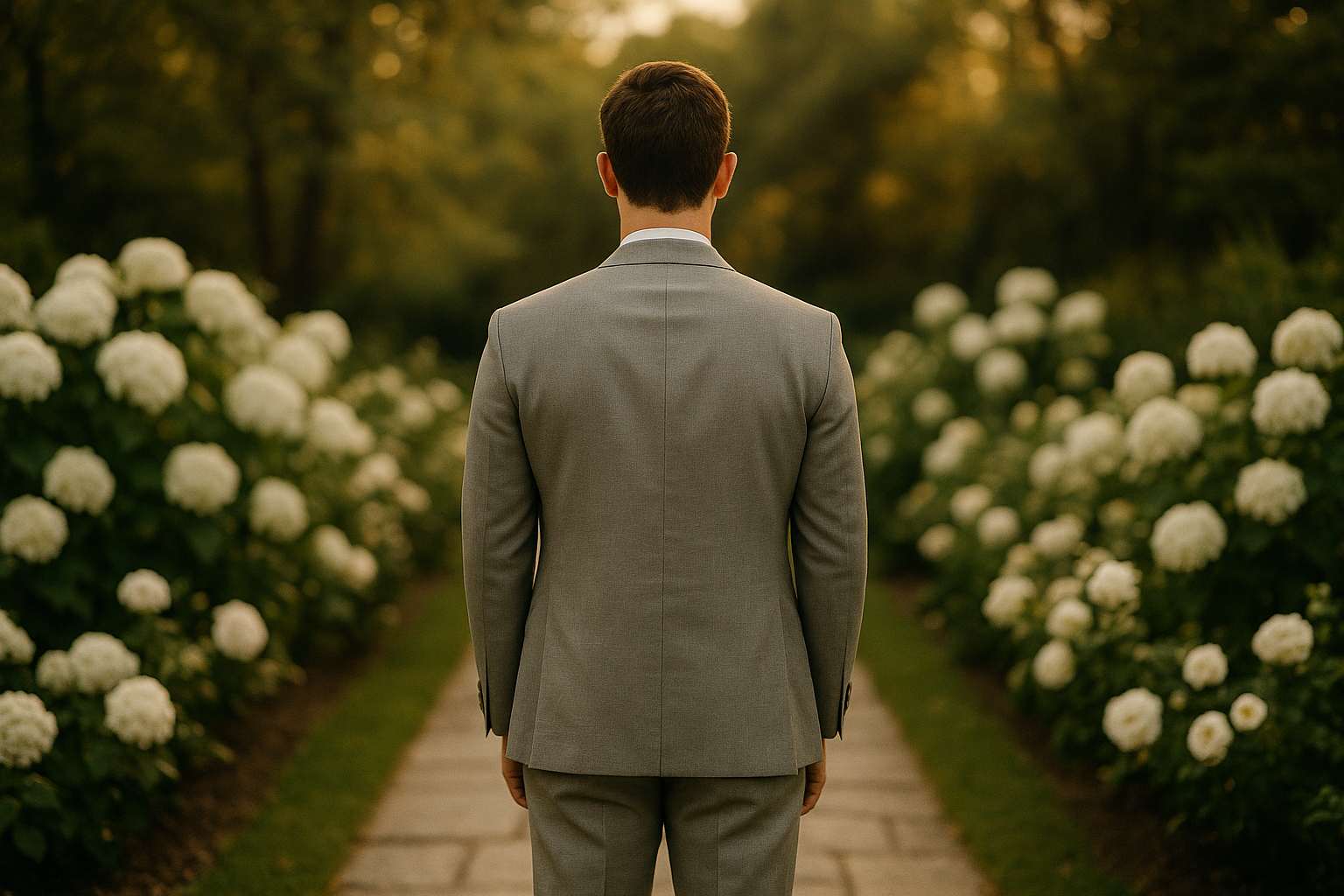
A wedding first look — seeing each other privately before the ceremony — gives you more portrait time, calmer nerves, and a fuller cocktail hour, but trades the traditional aisle-reveal surprise for a more intimate pre-ceremony moment. Neither choice is objectively better; the right answer depends on your emotional priorities and timeline constraints.
It is one of the most genuinely personal decisions in wedding planning, and it is also one of the most practically consequential: whether you see each other before the ceremony shapes your entire wedding day timeline, your portrait schedule, how much of your cocktail hour you attend, and the emotional texture of the aisle moment itself. According to Zola's 2026 First Look Report, approximately 45 to 50 percent of couples now include a first look — a figure that has risen steadily from roughly 30 percent a decade ago, driven largely by photographers advocating for the timeline flexibility it creates.
But popularity is not the same as right for you. This guide walks through every tradeoff — honestly — so you can make the decision with full information rather than following a trend.
What does a first look actually change about your wedding day?
The practical consequence of a first look is a fundamental restructuring of your portrait schedule. In a traditional timeline, couple and wedding party portraits happen during cocktail hour, after the ceremony. In a first-look timeline, portraits happen before the ceremony, immediately following the first look itself. The 60 to 90 minutes this creates — after you are dressed and before you walk down the aisle — becomes one of the most productive and beautiful windows of your day.
What you gain: most of your portraits are complete before the ceremony, hair and makeup are at their freshest, you arrive at your cocktail hour in time to actually be there, and the pre-ceremony portraits happen in daylight without the time pressure of guests waiting. What you give up: the first time your partner sees you on your wedding day is private, with only your photographer present, rather than in the context of the ceremony procession.
| Factor | With First Look | Without First Look |
|---|---|---|
| Pre-ceremony portrait time | 60–90 minutes available | 15–20 minutes maximum |
| Cocktail hour presence | 45–60 min (near-full attendance) | 15–30 min (portraits run through it) |
| Aisle reveal | Couple has seen each other; intimate emotion | Full visual surprise at the ceremony |
| Golden-hour portraits | Second portrait window available | Primary and often only portrait window |
| Photography coverage needed | 9–10 hours recommended | 8 hours often sufficient |
| Hair and makeup start time | 1–2 hours earlier | Standard getting-ready schedule |
| Pre-ceremony nerves | Significantly reduced after seeing each other | Full anticipation carries through to ceremony |
What are the strongest arguments for a first look?
You attend your own cocktail hour. This is the single most frequently cited reason couples choose a first look, and it is entirely practical. Cocktail hour — with your guests gathered, food and drinks flowing, the energy at its most festive — is often the warmest hour of the entire celebration. Traditional timelines have couples spending this window in portrait sessions while guests mingle without them. A first look returns this hour to you. According to photographers who documented hundreds of weddings through 2025, couples who attend their cocktail hour consistently describe it as one of their most treasured memories of the day.
Your portraits happen when you look your best. Hair, makeup, and flowers are in peak condition immediately after getting ready. Pre-ceremony portraits in morning or early afternoon light — with open shade and the day's freshness — produce some of the most luminous images of the wedding. Post-ceremony portraits happen after the emotional weight of the ceremony, after outdoor summer heat, after potential tears, and against the clock of the cocktail hour. Both can produce beautiful images; but pre-ceremony has a structural quality advantage.
Nerves are genuinely reduced. Research on wedding stress consistently shows that physical contact and eye contact with a partner significantly lower cortisol levels. Many couples describe the first look as the moment the wedding day stopped feeling overwhelming and started feeling real and joyful. By the time the processional begins, both partners have already had their private emotional moment — the ceremony aisle can then be walked with a smile rather than trembling hands.
Winter and short-daylight weddings almost require it. For weddings between October and March in most of the continental United States, sunset may arrive before or during cocktail hour. Without a first look, portrait time is entirely dependent on whatever daylight remains after the ceremony — which may be very little. A first look guarantees a protected daylight portrait window regardless of season. Use timeanddate.com to look up sunset for your exact date and location before deciding.
What are the strongest arguments against a first look?
The aisle moment carries its own irreplaceable weight. For many couples — and for many families — the first time a bride and groom see each other in the context of the ceremony procession, with a hundred gathered witnesses, music swelling, and the full weight of the commitment ahead, is the most emotionally significant moment of the entire day. The visual surprise, the communal witnessing, the formality of the processional — these are distinct from any private moment, however beautiful. Couples who have dreamed of this aisle reveal since childhood, or whose faith tradition vests particular meaning in the ceremony entrance, should give that instinct serious weight.
Earlier getting-ready calls can be stressful. A first look requires both partners to be fully dressed and camera-ready one to two hours earlier than in a traditional timeline. This compresses the morning schedule. For a wedding party of five or more, requiring an additional stylist or adding 30 minutes per person to the chair schedule may require a very early start — and the morning of a wedding is already one of the most emotionally charged periods of the day. Before committing to a first look, work backward from the ceremony start and confirm that the getting-ready timeline is genuinely comfortable, not theoretical.
Summer lighting is harsh at first-look time. Pre-ceremony portrait sessions in June, July, and August often happen between 11 a.m. and 2 p.m. — the worst possible light for outdoor photography. Harsh overhead sun creates unflattering shadows, squinting, and heat that makes everyone uncomfortable. In open shade — under a large tree canopy, in a covered archway, in a shaded courtyard — this is entirely manageable. In direct sun on a white terrace, it is not. Confirm with your photographer that your chosen first-look location has adequate shade before committing.
It is not universally traditional in every cultural context. Some cultural and faith communities hold the ceremony entrance as a deeply meaningful first encounter. Jewish traditions include the bedeken — a veil ceremony where the groom sees the bride before the chuppah — which may make the question moot or reframe it entirely. South Asian ceremonies involving the baraat or a structured family procession carry their own traditional first-encounter moments. In any cultural context where family expectations around this moment are held strongly, discuss the decision with both families before announcing it publicly.
How to make the decision: three questions to ask together
Rather than defaulting to trend or practicality, ask these three questions as a couple:
1. What do we most want from our ceremony entrance? If your honest answer is "the surprise, the emotion, the walk toward each other for the first time" — protect that. If your answer is "I want to feel calm, present, and connected when I walk down the aisle" — the first look is likely right for you.
2. How important is the cocktail hour to us? If you have many out-of-town guests you want to greet and celebrate with, or if you have invested significantly in cocktail-hour food and entertainment, a first look returns this time to you. If cocktail hour is mostly a transition you are comfortable missing, the traditional timeline works fine.
3. What does our photographer recommend for our specific venue and date? Your photographer knows your venue's light, your ceremony start time, and where sunset falls on your date. Their recommendation is not merely artistic preference — it is grounded in the specific conditions of your day. Ask directly: "Given our timeline and venue, what do you recommend, and why?" A skilled photographer will give you an honest answer rather than defaulting to whatever is easiest to schedule.
There is no universally correct answer here. The couples who describe their wedding day most joyfully — whether they did a first look or not — are those who made a deliberate, values-driven choice and committed to it fully. Either approach, executed intentionally, produces a beautiful day and a beautiful gallery.
Frequently asked
What is a wedding first look and how does it work logistically?
A first look is a planned, private moment — typically 20 to 30 minutes before the ceremony — when the couple sees each other for the first time in their wedding attire. The photographer places the groom (or one partner) at a chosen location, facing away; the bride walks in and taps his shoulder or calls his name. The photographer documents the reveal and the private moments that follow, often transitioning immediately into couple portraits. A coordinator manages the logistics to ensure guests and other vendors are not present. The entire block — first look plus portraits — typically runs 60 to 90 minutes and is scheduled after hair and makeup are complete. The key logistical implication is that both partners must be fully ready one to two hours earlier than in a traditional timeline, which means an earlier start for hair and makeup.
Does a first look make the aisle moment less emotional?
This is the most common concern, and the honest answer is: it depends on the couple. Many partners who chose a first look report that the ceremony walk was still profoundly moving — the public commitment, the gathered community, the music, and the weight of the moment carry their own emotional charge entirely independent of whether you have seen each other beforehand. What does change is the nature of the aisle emotion: without a first look, the aisle reveal combines visual surprise with ceremony significance; with a first look, the aisle emotion tends to be deeper intimacy rather than surprise. Photographers who have documented thousands of weddings consistently report that both approaches produce powerful images. The couples most likely to regret a first look are those who chose it primarily for practical reasons rather than because it aligned with their emotional vision.
How much time does a first look actually save at cocktail hour?
With a first look, couples complete most portraits — couple, wedding party, and family formals — before the ceremony, which means they can attend approximately 45 to 60 minutes of their own cocktail hour rather than spending it in portrait sessions. Without a first look, couples typically spend 45 to 75 minutes in portraits during cocktail hour, attending only the final 15 to 30 minutes before reception doors open. According to multiple photographers and the Zola 2026 First Look Report, this is consistently cited as the single most practical reason couples choose the first look: being present with their guests during the cocktail hour, which is the last time the full group is gathered before the more structured reception. For couples who have many out-of-town guests or who specifically want to experience the food and atmosphere of the cocktail hour, the time savings is real and meaningful.
Is a first look appropriate for religious or traditional ceremonies?
A first look is entirely personal and is not prohibited by any major religious tradition — it is an aesthetic and emotional choice, not a doctrinal one. That said, some faith traditions attach particular significance to the aisle reveal as part of the ceremony's symbolic structure, and for couples in whom tradition carries deep meaning, that context is worth honoring. Catholic, Jewish, Muslim, Hindu, and Christian couples across denominations choose both approaches. If your ceremony follows a specific religious rite — such as the Jewish bedeken (veil ceremony), where the groom traditionally veils the bride before the ceremony — discuss the timing implications with your officiant, as these pre-ceremony rituals may functionally already introduce a form of first seeing. For couples whose families hold strong traditional expectations, a private conversation about the decision before the wedding day prevents any surprise.
Does a first look require more photography coverage hours?
Generally yes, by approximately one to two hours. A traditional timeline without a first look fits reasonably within eight hours of photography coverage for most weddings; a timeline with a first look and pre-ceremony portrait sessions often benefits from nine to ten hours, particularly if the ceremony and reception are at separate locations. The additional coverage captures the getting-ready-to-first-look gap, the extended portrait session, and the full evening reception. Discuss coverage hours specifically with your photographer before booking — the first look decision should be part of that initial conversation, not an afterthought when reviewing the contract. Rush fees for extending coverage on the day itself can run $200 to $500 per hour and are entirely avoidable with the right contract scope established in advance.
What is the ideal location for a first look?
A successful first-look location has three qualities: visual privacy (guests and vendors cannot see or interrupt), good light (open shade, north-facing walls, or dappled tree canopy are ideal; harsh midday direct sun is not), and a clean or beautiful background that complements the wedding aesthetic. Work with your photographer to scout the location in advance — they will assess how the light falls at the specific time of day and whether the background will read well in images. Garden paths, covered archways, a quiet corridor inside the venue, or a secluded courtyard all work well. Avoid locations with distracting signage, parked cars, or heavy foot traffic. Confirm the location is accessible to the coordination team and that restrooms or touch-up space are nearby, since the getting-ready-to-first-look transition happens quickly.
Can we still have a meaningful ceremony entrance if we do a first look?
Absolutely — and most couples who choose the first look find the ceremony entrance deeply moving despite having already seen each other. The processional carries its own distinct weight: the gathered audience, the music, the formal procession, the public witnessing of commitment. Many photographers note that grooms and partners cry more openly at the aisle — knowing what they are committing to, having already shared that private first moment — than in the first look itself. One beautiful option for couples who want to preserve a version of the reveal is the 'reveal hour': the couple arrives at the ceremony venue separately, does not see each other in the final 30 minutes before the ceremony, and the processional becomes the first time they see each other in the context of the ceremony space and the gathered community. This preserves the aisle moment while still allowing pre-ceremony portraits.