Venues & Destinations
All-Inclusive vs. Raw Space Wedding Venue: Which Is Right for You?
The single decision that shapes your entire wedding budget — and most couples misread it. Here is how to compare all-inclusive and raw-space venues honestly, with the real math.
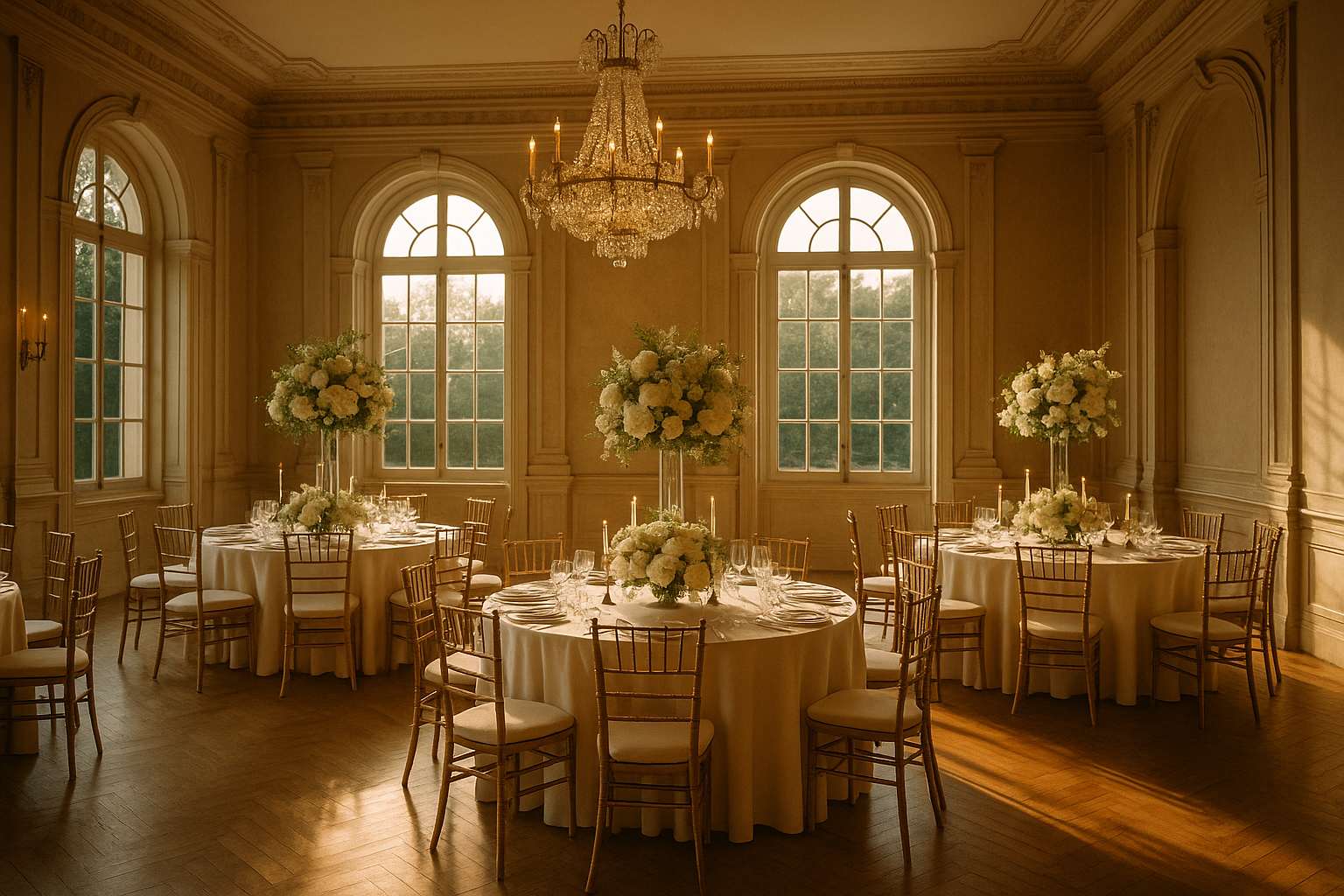
All-inclusive venues bundle catering, rentals, and coordination into one contract, typically saving 10–15% over a comparable raw-space build-out once all vendor costs are added in. Raw spaces offer creative freedom but carry a real management tax — they are the right choice for couples with a planner, a clear vision, and the full-cost math done honestly.
Of every decision a bride makes in the venue search, none is more consequential — or more frequently misunderstood — than the all-inclusive versus raw-space question. Most couples compare the headline rental price of a raw space ($4,000–$8,000) to the all-in package price of a full-service venue ($15,000–$20,000) and conclude the raw space is obviously cheaper. That conclusion is almost always wrong.
According to WeddingBudgetCalc's 2026 Wedding Venue Cost Guide, the difference in total spend between these two approaches can exceed $10,000 even when the base venue prices appear similar — once catering, rentals, coordination and labor are properly accounted for. Building the full cost of both options is not optional. It is the only honest comparison available to you.
What does an all-inclusive venue actually include — and what is the real price?
The term "all-inclusive" is used differently by different properties, which is the first thing to clarify. A true all-inclusive venue bundles the event space, catering (food plus service staff), bar service or a beverage minimum, tables, chairs, linens, and a day-of venue coordinator into one contract and one invoice. Many also include a bridal suite and groom's room, valet coordination, cake cutting service, and basic centerpiece vessels.
What varies most is the bar model. Some venues include beer and wine only at the base price, with full open bar as an upgrade. Others build premium bar in from the start. Always request an itemized breakdown of what is included at each tier — a headline package price is meaningless without knowing exactly what it covers.
According to The Knot's 2025 Real Weddings Study, approximately 74% of couples reported that their reception venue included rentals, 41% said catering was included, and 37% said alcohol was included. Only 7% reported that the venue fee simply covered the space — suggesting the majority of couples are already working with some level of bundled service, often without fully recognizing it.
In 2026, all-inclusive packages at full-service venues typically range from $10,000 to $22,000 for events of 80–150 guests, with major metro markets (New York, San Francisco, Chicago) commanding the upper end and exceeding it. These figures represent a predictable, largely complete event cost — which is the core value proposition: one invoice, one team, one point of accountability.
How does a raw space really compare when every cost is counted?
A raw space — also called a site-fee only or blank-canvas venue — gives you access to the physical space for a set number of hours, typically 8–12 including setup and breakdown. Everything else is your responsibility.
That means sourcing and contracting separately for: a caterer, bar service, tables, chairs, linens, a tent (if needed), lighting, power (generator if the venue lacks sufficient electrical capacity), portable restroom upgrades if needed, security staff (required by many warehouse and loft venues), a wedding planner or coordinator to manage all of these vendors, delivery and pickup fees for every rental item, and overtime labor if any vendor runs long.
When couples price these elements individually in most U.S. markets, the raw-space total regularly lands at or above the comparable all-inclusive price — while carrying significantly more coordination complexity and schedule risk. The honest guidance from venue professionals is straightforward: never compare an all-inclusive package price to only the rental fee for a raw space.
| Cost Category | All-Inclusive Venue | Raw Space (Typical Build-Out) |
|---|---|---|
| Venue rental / package fee | $12,000–$18,000 (includes items below) | $4,000–$8,000 (space only) |
| Catering (food + service staff) | Included | $7,000–$13,000 |
| Bar service / beverage | Included or upgrade tier | $2,500–$5,000 |
| Tables, chairs, linens | Included | $2,000–$4,500 |
| Day-of coordinator | Included (venue coordinator) | $1,500–$3,500 (external) |
| Generator / power / AV | Included or low-cost add-on | $600–$1,500 |
| Delivery, setup, overtime fees | Minimal | $500–$2,000+ |
| Estimated total | $12,000–$18,000 | $18,000–$37,500 |
Ranges are national estimates for 2026. Major metro markets add 40–80%. All figures are approximations; actual costs vary by guest count, vendor selection, and specific venue terms.
Who should choose an all-inclusive venue — and who should choose a raw space?
This is the question at the heart of the decision, and it has a cleaner answer than most guides acknowledge.
Choose an all-inclusive venue if: Your engagement is shorter than 12–15 months and you do not have time for extensive vendor research. You find vendor logistics stressful or do not have a strong local network of trusted professionals. Budget predictability matters deeply to you — all-inclusive venues largely eliminate the $15,000–$20,000 in unexpected add-on costs that traditional raw-space weddings routinely encounter. You want access to a team that has executed dozens or hundreds of weddings in that specific space and knows every contingency plan.
The meaningful limitation of all-inclusive venues is vendor lock-in. You may not be able to bring your preferred caterer, florist, or photographer. If the venue's aesthetic does not match your vision, customization options may be limited. Always request a fully itemized breakdown of every package tier before signing — some venues present as all-inclusive but charge meaningfully for each add-on (upgraded linens, premium bar tier, late-night snacks). What looks like a comprehensive package can quickly grow with upsells.
Choose a raw space if: You have a very specific aesthetic vision — an industrial loft, a converted barn, a rooftop — that cannot be replicated in a traditional venue. You already have relationships with specific vendors at competitive prices. You have a full-service wedding planner (not just day-of coordination) who has worked in that space and can manage the vendor ecosystem. You genuinely enjoy the planning process and welcome the complexity. You want extended access to the space — many raw spaces allow all-weekend access, which changes the value calculation.
The honest caveat for raw spaces: the logistics burden is significant. When the catering team, rental company, florist, and venue staff have never worked together before, you and your planner absorb the entire coordination load. In major markets, a well-executed raw-space wedding frequently costs more than a comparable all-inclusive — the creative freedom comes with a real management tax.
Questions to ask before choosing either type
The questions below will reveal as much about a venue's operational integrity as about their logistics.
For all-inclusive venues: What specifically is included in the base package and at each upgrade tier? What is your preferred caterer's menu — can I see sample menus with per-person pricing? What are the bar options, and what does "open bar" include at each level? What is the service charge percentage, and does it go to staff? Who is my assigned coordinator, and will they be on-site the day of the wedding? What are the décor restrictions — can I bring in an outside florist?
For raw spaces: What is the exact setup window and hard end time? Is there sufficient power for catering, lighting, and music — can I see the electrical specs? What is the restroom situation for my guest count? Is there a required vendor list or are all vendors my choice? What is the overtime fee? What is the rain plan if applicable?
For both: What is the cancellation and postponement policy — written, with specific refund thresholds? What liability insurance coverage do you require? Who is my single point of contact and how quickly do they respond? Can I speak with two or three recently married couples who used this space?
The contract: what must be in it before you sign
Regardless of venue type, no contract is complete without: the exact date, start time, end time, and any setup window; an itemized list of what is included; clear pricing including base fee, minimums, service charges, taxes, and overtime rates; deposit amount and payment schedule; cancellation and postponement policy with specific refund thresholds; force majeure clause; and the name of the specific coordinator assigned to your event. Verbal promises made during a tour that are not reflected in the contract do not exist legally. Every concession, upgrade, and accommodation must be written in before you sign.
For any venue commitment exceeding $10,000 — which virtually all of them will — having a real estate or contracts attorney review the document before signing is worth the investment. The cost of a one-hour attorney consultation ($150–$400) is trivial against the cost of discovering an ambiguous clause after your deposit is non-refundable.
Frequently asked
Is an all-inclusive wedding venue actually cheaper than a raw space?
Not always on paper — but often in reality. An all-inclusive venue may quote $15,000 for a 100-guest event, while a raw space quotes $5,000 for the same date. The critical error is comparing those two numbers directly. Once you add the raw-space vendor stack — catering ($8,000–$12,000), rentals ($2,500–$5,000), a wedding planner to coordinate the vendors ($3,500–$8,000), delivery fees, and overtime — the raw space routinely costs more than the all-inclusive option. According to analysis from The Knot, the difference in total spend between venue types can exceed $10,000 even when the base venue price appears similar. Build the full cost of both options before making any comparison. A spreadsheet with every line item is the only honest way to compare them.
What does an all-inclusive wedding venue typically include?
A true all-inclusive venue bundles: the event space for a set number of hours, catering (food service and service staff), bar packages or a beverage minimum, tables, chairs and linens, a day-of venue coordinator, and often basic décor like centerpiece vessels. Some all-inclusive properties also include in-house florals, a bridal suite and groom's room, valet or parking coordination, and cake cutting service. What varies most is the bar model — some venues include beer and wine only at the base price, with premium bar as an upgrade. Always request an itemized list of what is included at each package tier so you can compare line by line rather than headline-to-headline.
What hidden costs should I watch for with a raw space venue?
Raw spaces are notorious for costs that surface only after signing. The most commonly underestimated line items include: rental delivery and pickup fees (tables, chairs, linens — often $2,500–$5,000+ for a 100-person event); generator rental if the space lacks sufficient power for catering equipment and lighting ($600–$1,500); portable restroom upgrades if the venue's facilities are inadequate; security staff required by the venue (common for warehouse and loft spaces, running $400–$800); tent installation for outdoor spaces; overtime labor for the catering and rental teams; and the coordination cost of managing 10–15 independent vendor contracts. A detailed raw-space cost sheet with every category priced out is essential before comparing to an all-inclusive quote.
When does a raw space make more financial and creative sense?
A raw space is the right choice when you have a very specific aesthetic vision that an all-inclusive venue's existing décor cannot accommodate; when you already have relationships with vendors you trust at competitive prices; when you have a full-service wedding planner (not just a day-of coordinator) to manage vendor logistics; or when the raw space gives you significantly more time in the venue — many raw spaces allow full weekend access, which changes the value proposition. The flexibility premium is real but it comes with a management tax. Couples who choose raw spaces most successfully are those who have done the full-cost math honestly, have a planner who has worked in that specific space before, and have a clear vision that cannot be realized elsewhere.
How do I negotiate with either type of venue to get the best value?
The most reliable negotiating leverage at any wedding venue is date flexibility and early commitment. For all-inclusive venues, the best add-on wins come from asking for: extended setup or teardown time, an upgraded linen or centerpiece tier at no additional charge, a complimentary food tasting, or a late bar end time. Venues rarely discount the base rental fee but readily add value to fill perceived gaps. For raw spaces, negotiate early-access time and waived overtime fees during the initial contract. Both venue types respond to off-peak date selection — a Friday or Sunday booking can yield 15–25% savings in most markets, and January through March can unlock even deeper reductions without sacrificing quality. Always get every concession written into the contract; verbal promises are not binding.
What insurance do I need regardless of venue type?
Every couple needs two distinct types of coverage regardless of venue format. First, event liability insurance — most venues require a minimum of $1 million per occurrence, covering property damage and personal injury claims arising from your event. This is not the same as wedding insurance. Second, personal wedding insurance (cancellation and vendor-failure coverage) protects your deposits if a vendor closes, a family emergency forces postponement, or an extreme weather event cancels the day. Reputable providers for both include Markel, Travelers, and WedSafe, with standard policies typically running $150–$600. All-inclusive venues often have stricter liability requirements built into their contracts; raw spaces may have less-specific requirements but leave you more personally exposed to individual vendor failures.