Venues & Destinations
Average Wedding Venue Cost in 2026: What You'll Really Pay
The national average wedding venue rental is $12,900 — but what you actually pay depends on venue type, region, and the hidden fees most couples discover too late. Here is the complete 2026 breakdown.
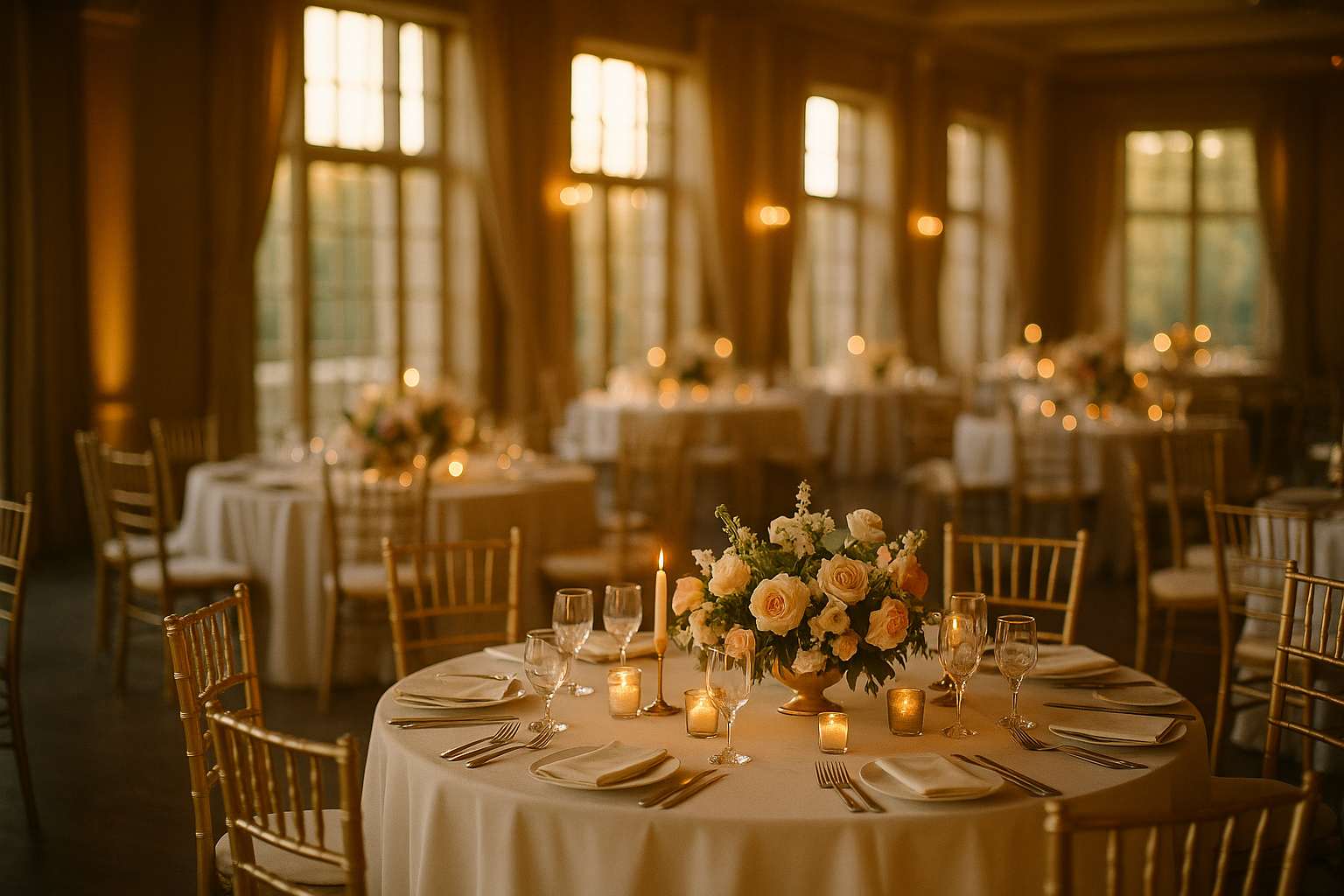
The national average wedding venue costs $12,900 in 2026, per The Knot's Real Weddings Study, but that figure spans a range from under $3,000 for a modest church hall to over $30,000 at a sought-after estate or hotel ballroom. What you actually pay hinges on venue type, state, day of week, and what the fee includes.
Your venue is the single most consequential financial commitment in the entire wedding planning process — and the most common source of budget surprises. Couples who understand venue pricing structures before they tour are dramatically better positioned than those who fall in love with a space and discover the full cost afterward.
What does the average wedding venue cost in 2026?
The Knot's 2026 Real Weddings Study — based on responses from 10,474 couples married in 2025 — puts the national average wedding venue cost at $12,900, up $700 from the prior year and $3,900 over the past decade. Zola's 2026 Wedding Cost Index reports a slightly lower average of $8,573 for venue rental specifically, with catering adding another $6,927 — the two largest line items in most budgets combined reaching roughly $15,500.
Both figures are national averages, which means they are heavily influenced by high-cost urban events. The median total wedding spend is approximately $10,000 — meaning half of all couples spend less than this on the entire celebration, not just the venue. If your expected total budget is under $20,000, a venue budget of $4,000–$7,000 is realistic and achievable in most U.S. markets.
| Venue Type | Typical Rental Range | What Is Usually Included | Key Cost Watch |
|---|---|---|---|
| Hotel ballroom | $7,500–$30,000+ | Tables, chairs, linens, in-house catering, bar | Service charges of 18–25% |
| Barn or farm | $4,000–$12,000 | Structure only; most rentals external | Rentals, restrooms, generator add $5,000–$10,000 |
| Vineyard or winery | $5,000–$20,000 | Space, often beverage minimum, partial catering | Harvest season conflicts; tent fees |
| Historic estate or mansion | $5,000–$30,000 | Grounds; catering often external | Infrastructure gaps in older buildings |
| Garden or botanical | $4,500–$20,000 | Grounds; vendors typically external | Tent rental adds $3,000–$10,000 |
| Restaurant buyout | $3,000–$12,000 + F&B minimum | Kitchen, staff, furniture | Limited customization; capacity caps at 30–80 |
| Church or house of worship | $100–$3,000 | Ceremony space, altar, seating | Separate reception venue required |
Major metro markets should add 40–80% to ranges above. Rates are for ceremony and/or reception space; all-inclusive packages add catering and service to these figures.
How does wedding venue cost vary by state?
Regional pricing variation is the most significant factor determining what your venue will cost. The most expensive wedding markets in 2025–2026 include New Jersey ($54,400 average total wedding spend), New York ($55,000+), Hawaii ($48,000), Washington D.C. ($48,000), Massachusetts ($45,000), and California ($45,000 statewide average, though San Francisco approaches $51,500). The most affordable states include Alaska ($16,150), Nevada, Utah, and much of the rural Midwest and South.
City-to-city comparisons are even more striking. A 150-guest wedding in San Francisco costs approximately $85,000 compared with roughly $43,000 in Milwaukee for an equivalent event — nearly double for the same celebration. Within California, inland venues in the Central Valley or Inland Empire are routinely 40–60% less expensive than Napa Valley or San Francisco venues delivering visually comparable results.
Smart venue seekers look at the concentric circles around their target city. Venues 25–35 miles outside a major metro often deliver comparable quality and aesthetics — vineyard views, historic estate architecture — at meaningfully lower price points. A vineyard estate like Montaluce Winery in North Georgia delivers Tuscany-inspired romantic scenery at a fraction of Napa Valley pricing. Saltwater Farm Vineyard in Stonington, Connecticut, which combines waterfront views with a converted WWII-era airplane hangar, illustrates how unconventional-space venues in mid-market regions can create extraordinary experiences without major-city price tags.
What hidden fees do wedding venues charge?
The quoted venue rental fee is rarely the final number on the invoice. Understanding which additional fees are standard — and which are negotiable — is one of the most practical skills a bride can bring to the venue selection process.
Service charges (18–25%): The most significant and most commonly overlooked addition. At hotel and catering venues, an 18–25% service charge is applied to food and beverage minimums as a mandatory line item. On a $20,000 F&B minimum, this adds $3,600–$5,000. Ask your venue explicitly: does this service charge go to the service staff, or is it retained by management? The answer tells you how much additional gratuity to budget.
Cake-cutting fee ($1–$3 per guest): Most catering venues charge per slice to cut, plate, and serve a cake brought in from an outside bakery. For 150 guests, this quietly adds $150–$450 to your bill.
Corkage fee ($10–$25 per bottle): If you purchase your own wine or spirits and the venue serves them, expect a per-bottle or per-guest service fee. Calculate the corkage math against the venue's own bar pricing before deciding to buy your own alcohol.
Overtime ($500–$1,500 per hour): A standard reception contracts four to five hours. Every hour past the end time triggers an overtime rate. Know this number before you sign, and confirm your planned timeline fits within the contracted period.
Security staff: Many venues require one or two licensed security officers at an additional cost of $35–$55 per hour. This is often non-negotiable.
Parking and valet: Self-parking lots and valet service are sometimes included, sometimes charged to the couple, and sometimes passed directly to guests. Clarify before booking to avoid a surprise on your invoice or an awkward announcement to guests.
All-inclusive vs. raw-space venues: which is actually cheaper?
This is the most consequential structural decision in venue selection, and it is rarely explained clearly before couples sign. Many couples choose a raw-space barn or loft assuming it will save money, then discover the full cost stack — catering, rentals, tenting, portable restrooms, generators, lighting, a planner to manage all of it — equals or exceeds what a well-priced all-inclusive would have cost.
The honest comparison: do not set the all-inclusive package price against the raw-space rental fee alone. Build the complete cost of both options — venue fee plus every vendor you would need to add — before deciding which is genuinely less expensive. In many mid-tier markets, a hotel ballroom all-inclusive at $14,000 represents a genuine bargain compared with a barn rental at $6,000 that requires $10,000–$15,000 in additional vendor spend to reach the same guest experience.
All-inclusive venues make the most sense for: shorter engagement periods (under 12 months) where vendor sourcing time is limited; couples who find logistics stressful; those who want maximum budget predictability; and anyone who has not already identified their preferred caterer, rental company, and florist.
Raw-space venues are worth the management investment when: you have a specific creative vision that requires handpicked vendors; your planner has a proven vendor network at the venue; or you have significant time and organizational capacity to coordinate independently.
When should I book my wedding venue?
For peak-season Saturdays in May, June, September, and October at sought-after venues, the booking window is 14–18 months in advance. Top venues in high-demand markets — the Finger Lakes wine country, the Virginia Piedmont, coastal New England — are filling 2026 and 2027 Saturday dates 18–24 months out. Garden and greenhouse venues identified by The Knot's 2026 Real Weddings data as the fastest-growing category often have waitlists extending two years.
For more flexibility and genuine savings: Friday and Sunday weddings save 20–40% on venue costs. Off-peak months — January through early March in most U.S. markets (December through February at vineyard venues) — can add another 20–30% discount. Venues prefer booking a confirmed event to leaving a date open, which means the negotiating leverage available on an unpopular date is real.
Booking checklist before you sign any venue contract:
- Confirm the exact fee breakdown: base rental, F&B minimum, service charges, and any required add-ons
- Walk the rain contingency plan physically and confirm it is large enough for your guest count
- Verify your vendor policy: required, preferred, or fully open?
- Confirm your assigned coordinator and request to meet them before signing
- Read the cancellation and postponement policy in full before depositing
- Carry event liability insurance ($1M per occurrence) as most venues now require it
Frequently asked
What is the average cost of a wedding venue in 2026?
According to The Knot's 2026 Real Weddings Study — which surveyed 10,474 couples married in 2025 — the national average wedding venue cost is $12,900. This figure has risen $700 from the prior year and $3,900 over the past decade. However, averages are only a starting point. Half of all couples pay less than $10,000 for their venue because the overall wedding spending median sits far below the mean; high-end urban events pull the average upward. What you will actually pay depends on your state, the type of venue, the day of the week, and whether the venue is all-inclusive or raw space. In major metros like New York City, venues average $27,000 or more. In states like Mississippi or Utah, total venue costs often fall under $8,000. Build a full-cost projection — including service charges, minimums, and rentals — before comparing venues side by side.
Which states have the most expensive wedding venue costs?
Regional variation in wedding venue costs is dramatic and often surprises couples who relocate or are planning a destination celebration. The most expensive markets for wedding venues in 2025–2026 are New Jersey (average total wedding spend of $54,400), New York City ($55,000+), Hawaii ($48,000), Washington D.C. ($48,000), Massachusetts ($45,000), and California ($45,000, though San Francisco averages $51,500 while inland regions can come in at $18,000 or less). At the other end of the spectrum, Alaska ($16,150), Nevada, Utah, and much of the rural Midwest and South offer meaningful savings. The most affordable states generally include Mississippi, Wyoming, and South Dakota. Keep in mind that these figures represent total wedding cost averages, not venue fees alone — but venue is the single largest driver of regional variation.
What is included in a wedding venue rental fee?
What is included in a venue rental fee varies enormously depending on whether the venue is all-inclusive or raw space. Hotel ballrooms and country clubs typically bundle tables, chairs, linens, in-house catering, bar service, and a venue coordinator into one comprehensive package — which can make a seemingly expensive quoted price genuinely competitive once all services are counted. Barn, garden, and loft venues often charge only for the space itself, requiring you to source and pay for every additional element: catering, rentals, portable restrooms, generators, tenting, lighting, and staffing. Always ask your venue for a fully itemized list of what the rental fee covers and what carries additional cost. Common hidden additions include service charges (18–25% on food and beverage), cake-cutting fees ($1–$3 per slice), valet, overtime ($500–$1,500 per hour), and required security staff. Build the total out for each venue you tour before comparing costs.
How can I save money on a wedding venue without sacrificing quality?
The most reliable strategies for reducing venue cost without trading down in quality are timing and flexibility. Friday and Sunday weddings cost 20–40% less than identical Saturday events at most venues. Off-peak months — January through early March in most U.S. regions — can yield discounts of an additional 20–30%. Choosing a venue within 30 miles of a major city rather than inside it often saves 20–30% on both the venue fee and the catering package. If you love a venue that is slightly above your budget, ask specifically about their least-busy month rather than negotiating base price, which venues rarely discount. Venues are much more willing to add value — an extended setup window, upgraded linens, a complimentary tasting — than to cut their core rate. Also consider whether a raw-space venue that seems cheaper will actually exceed the all-inclusive option once you add the full vendor stack.
Do I need wedding insurance for my venue?
Most venues require couples to carry event liability insurance before they sign the contract, and we recommend every couple have it regardless. Event liability insurance covers property damage and personal injury — typically $1 million per occurrence — and is available through insurers such as Travelers, Markel, and WedSafe for approximately $150–$600 for a standard policy. This is separate from wedding cancellation insurance, which covers you if a vendor fails, your venue closes unexpectedly, or extreme weather forces a postponement. Cancellation policies written into venue contracts have become more detailed since 2020, but they rarely cover everything that can go wrong on a wedding day. The combination of venue liability insurance and personal wedding insurance is the most comprehensive protection available and typically costs less than $1,000 combined — a fraction of your venue investment.
What is the difference between an all-inclusive and raw-space wedding venue?
An all-inclusive venue bundles catering, bar service, tables, chairs, linens, and often a day-of coordinator into one contract and one payment. This provides budget predictability and eliminates the coordination burden of assembling multiple vendors from scratch. A raw space (sometimes called a blank canvas venue) provides four walls — and sometimes basic furniture — with everything else sourced independently. Raw spaces offer creative freedom and can be less expensive on the surface, but the full cost frequently matches or exceeds an all-inclusive option once catering, rentals, lighting, power, portable restrooms, and planner fees are added. The most common budgeting mistake is comparing an all-inclusive package price against only the rental fee for a raw space. Build out the complete cost for both options before deciding. If your engagement is shorter than 12 months, an all-inclusive typically reduces planning stress significantly.