Venues & Destinations
Backyard Wedding Permits & Logistics: The Complete Guide
Everything you need to know before hosting a wedding on private property — from permit applications and noise ordinances to power, restrooms, parking, and the hidden costs most couples discover too late.
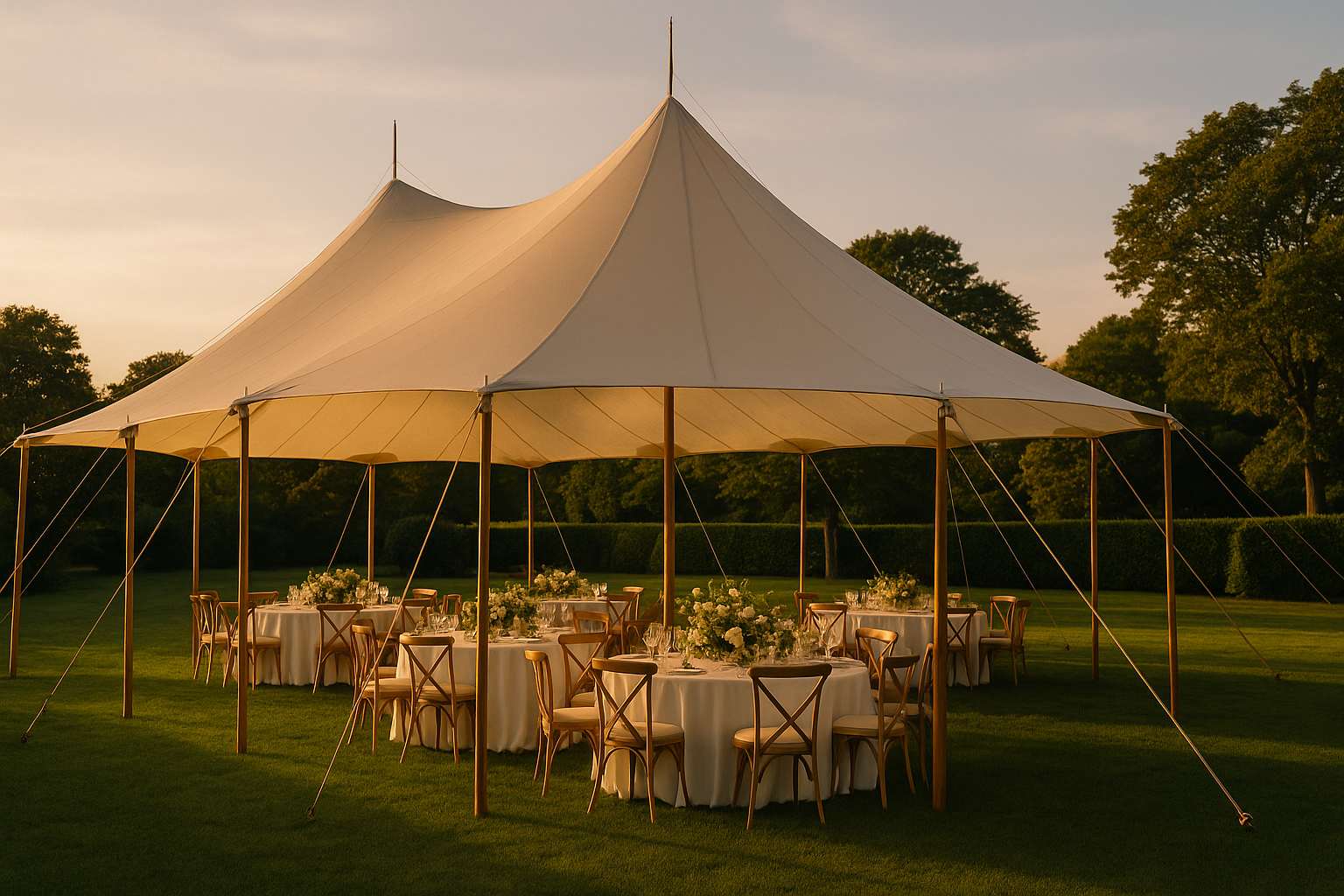
Hosting a wedding in your backyard requires the same infrastructure a professional venue provides — tents, power, restrooms, parking, and permits — assembled from scratch by you. The total infrastructure cost for a 100-guest event typically runs $8,000–$20,000, and permit requirements are non-negotiable in most U.S. jurisdictions.
The appeal of a backyard wedding is undeniable: the roses your grandmother planted lining the aisle, the same porch where your father watched you grow up serving as your backdrop, the freedom to design every detail yourself. For many brides, the home property is not just a venue — it is a living piece of family history.
But that romantic premise conceals a formidable operational reality. Unlike a dedicated event venue, a private residence has none of the built-in infrastructure that professional facilities take for granted: no commercial power supply, no code-compliant restrooms at scale, no designated parking, no acoustic management, and no event liability framework. Every one of those systems must be planned, permitted, rented, and paid for.
This guide covers every decision point — in the sequence you need to address it.
What Permits Does a Backyard Wedding Actually Require?
Permit requirements are the most consistently under-researched element of home wedding planning, and the consequences of skipping them are severe. A neighbor complaint or proactive code inspector can shut down your celebration mid-ceremony. Fines in many jurisdictions start at $500 per violation. In Sonoma County, California, updated regulations that took effect in 2026 set the maximum allowed attendance for a periodic special event at 2,500 — and require separate ministerial permits for events held 30 or more days apart. Every municipality has its own rules, and the only way to know yours is to ask directly.
| Permit Type | Issuing Authority | Typical Lead Time | Estimated Fee |
|---|---|---|---|
| Special Event / Temporary Use | City or county planning dept. | 2–8 weeks | $50–$500 |
| Temporary Food Service | Local health department | 2–4 weeks | $25–$200 |
| Alcohol / Liquor License (temporary) | State ABC or liquor control board | 4–12 weeks | $50–$350 |
| Tent / Structure Permit | Building or fire department | 1–3 weeks | $50–$300 |
| Noise / Amplified Music Variance | City clerk or zoning board | 2–4 weeks | $25–$150 |
| Fire Safety Inspection | Fire marshal | Varies | Often free–$100 |
In Los Angeles, for example, the Department of Building and Safety requires a Temporary Special Event permit for tents or canopies larger than 450 square feet on a residential property — and fees must be paid before inspections are performed. Your jurisdiction may have different thresholds; always call your local planning department first.
The step-by-step process: at six months out, contact your city or county planning department and ask specifically about temporary private event permits for residential properties. At five months, submit all applications simultaneously — alcohol permits have the longest processing times. By three months out, confirm all permits are approved in writing. Keep printed copies of every permit on-site on the wedding day.
How Does Noise Regulation Work for Home Weddings?
Most U.S. municipalities enforce residential noise ordinances that restrict amplified sound to specific hours — typically 10:00 p.m. to 7:00 a.m., though some residential zones shorten the evening limit to 9:00 p.m. Because the majority of wedding receptions extend until 9:00–10:00 p.m., your entertainment end time must be planned around the local cutoff, not the other way around.
Many ordinances specify decibel limits at the property line — commonly 65–75 dB in residential zones. Several practical strategies help you stay comfortably within those limits: enclosed tent sides reduce noise bleed significantly; directional speakers pointed away from property lines outperform omnidirectional setups; and acoustic baffles (temporary sound barriers available from event rental specialists for $300–$800) provide meaningful additional protection.
Proactive neighbor relations are equally important. Notify immediate neighbors in writing at least four weeks before the event, provide a direct contact number for the day of, and offer a small goodwill gesture — a bottle of wine or an invitation to the ceremony portion. One consultant approach worth noting: offering to cover a single night's hotel stay for an immediately adjacent neighbor is far cheaper than the cost and stress of a police-interrupted reception.
What Infrastructure Does a Backyard Wedding Require?
A dedicated event venue bundles tents or indoor space, commercial power, compliant restrooms, parking management, and event staff into a single contract. A backyard wedding requires sourcing each of these independently — and the combined cost is often a surprise to couples who frame the home property as "free."
Power. A standard residential service runs on 200 amps — well below the 200–300+ amps a modest outdoor reception demands. A 45 kW towable generator covers most 100-guest events at $500–$800 per day plus delivery and fuel. Choose a sound-attenuated model. Place the unit at least 20 feet from all structures due to carbon monoxide risk, and budget $200–$600 for a licensed electrician to make any temporary panel tie-in.
Tents. A 40x60 tent accommodates approximately 100–120 guests for a seated dinner with a dance floor. Frame tents run $1,200–$4,000 installed; sailcloth tents — with their translucent, romantic character — cost $2,000–$6,000. Call 811 (free in the U.S.) to locate underground utilities before any stakes are driven. Soft ground may require subflooring at $0.50–$2.00 per square foot rental to protect the lawn.
Restrooms. The industry ratio for outdoor events: one toilet unit per 35–50 guests (shorter intervals when alcohol is served), plus a dedicated ADA-accessible unit. A luxury restroom trailer for a 100-guest event runs $1,500–$3,500 for a weekend rental including delivery and setup. Standard portable units are cheaper ($75–$150 each) but meaningful in a different aesthetic register — most brides hosting a beautiful backyard celebration choose the luxury trailer option.
Parking. One hundred guests typically arrive in 35–50 vehicles requiring roughly 8,000 square feet of parking. Most residential properties cannot absorb this. A shuttle from a nearby lot ($500–$1,500 for an evening) is the most elegant solution; valet service ($600–$1,500) compacts vehicles by 30–40% through professional stacking. Include explicit parking instructions on all invitations and the wedding website.
What Are the Easily Overlooked Costs of a Backyard Wedding?
The infrastructure gap — everything a professional venue provides that a residential property does not — typically runs $8,000–$20,000 for a 100-guest wedding before a single flower is purchased. The following line items are where backyard budgets most commonly break down:
| Cost Category | Estimated Range |
|---|---|
| Luxury restroom trailer rental (weekend) | $1,500–$3,500 |
| Generator rental (45 kW, one day) | $500–$800 + fuel |
| Frame or sailcloth tent (40x60, installed) | $1,200–$6,000 |
| Dance floor rental (installed) | $600–$2,000 |
| Event liability + host liquor insurance | $300–$900 |
| Shuttle or valet parking | $500–$1,500 |
| Post-event cleanup crew | $300–$800 |
| Lawn repair / re-seeding after tent | $200–$1,500 |
| Catering prep tent (10x20 or 10x30) | $300–$800 |
| Furniture and linen rentals (100 guests) | $1,500–$3,500 |
| Draping and tent lighting | $800–$3,500 |
| Day-of event coordinator | $800–$2,500 |
A note on catering logistics: professional caterers expect a commercial kitchen on-site, which a home rarely provides. Solutions include a separate catering prep tent ($300–$800), a commercial refrigeration trailer for large guest counts ($350–$700 per day), or a self-contained food truck caterer. Confirm in writing — ideally in your catering contract — which party is responsible for the temporary food establishment permit required by most health departments.
What Are the 2025–2026 Trends in Backyard Weddings?
The backyard wedding aesthetic has transformed significantly since the pandemic-era surge in home celebrations. Today's aspirational approach is far from the folding-chair-under-a-canopy archetype:
Micro-weddings and the intimacy dividend. Celebrations of 20–50 guests continue to surge, averaging $11,200 total compared to $33,000 for a traditional wedding. Smaller guest counts ease nearly every logistical challenge covered in this guide — fewer restroom units, less power demand, smaller tent, simpler parking.
Luxury tent design. Sailcloth tents with chandelier lighting, Persian rugs, and lounge furniture have replaced the basic canopy for aspirational backyard events. One-stop backyard event rental specialists — companies that offer tent, power, restrooms, and furniture in a single package — have expanded across most major metropolitan areas, simplifying logistics at a 10–20% price premium over assembling vendors independently.
Sustainability focus. Solar generator rentals (available in select markets at a 20–30% premium over diesel) and zero-waste catering contracts are increasingly requested by couples who want their home celebration to reflect environmental values alongside aesthetic ones.
Unplugged ceremonies. The intimate home setting makes enforcing an unplugged ceremony — guests put away phones during the ceremony — far easier than at a large venue, and the request is increasingly common among faith-centered celebrations.
The Farm Bureau and most event insurance specialists recommend purchasing coverage — general liability and host liquor liability combined — as one of the first steps after committing to a home venue. At $300–$900 total for comprehensive one-day coverage from providers including Farm Bureau Financial Services, WedSafe, and Markel, it is among the highest-return, lowest-cost decisions in the entire planning process.
Frequently asked
Do I actually need a permit to host a wedding in my backyard?
In most U.S. municipalities, yes — once your guest count exceeds a threshold (commonly 25–50 guests, though some jurisdictions draw the line at 20), a temporary event or special use permit is required for a private residential gathering. Beyond guest count, any tent larger than 450 square feet, a generator, amplified music, and temporary food service each typically trigger separate permit requirements from different departments. Skipping permits is the single most common — and most costly — mistake backyard couples make. A neighbor complaint or a proactive inspector can shut down your celebration mid-ceremony. Fines in many jurisdictions start at $500 and can escalate to several thousand dollars per violation.
How far in advance should I apply for backyard wedding permits?
Begin the process no later than six months before your wedding date, and submit all applications simultaneously where possible. Alcohol permits consistently require the longest lead time — state ABC boards can take four to twelve weeks to process a temporary license. Tent and structure permits typically run one to three weeks; noise variances two to four weeks; and temporary food service permits two to four weeks through the local health department. In December 2025, Sonoma County updated its periodic special event regulations to clarify permitting requirements and public noticing procedures — an example of how rules evolve regularly. Always verify current requirements with your specific jurisdiction rather than relying on general guidance. Print and keep copies of all approved permits on-site on the day of the event.
What noise rules apply to backyard weddings?
Most U.S. municipalities enforce noise ordinances that restrict amplified sound during designated quiet hours — typically 10:00 p.m. to 7:00 a.m. on weekdays, with some residential zones shortening the evening limit to 9:00 p.m. Indianapolis, for example, mandates quiet after 10:00 p.m. daily. Because the majority of wedding receptions last until 9:00–10:00 p.m., your DJ or band's end time must be planned around the local ordinance cutoff. Proactive neighbor relations reduce risk significantly: notify immediate neighbors in writing at least four weeks out, provide a direct contact number for the day of, and offer a small goodwill gesture. Sound mitigation strategies — enclosed tent sides, directional speakers pointed away from property lines, and acoustic baffles — can help you stay comfortably below decibel limits.
How much does a backyard wedding really cost compared to a traditional venue?
Rarely less, once all infrastructure costs are honestly accounted for. The venue rental fee is simply replaced by tent rental ($800–$6,000 for a 40x60 frame or sailcloth tent), generator ($400–$800 per day for a towable unit), luxury restroom trailer ($1,500–$3,500 for a 100-guest event), parking or shuttle solution ($600–$1,500), permits ($150–$1,500 depending on jurisdiction), and event liability insurance ($150–$500). Add post-event cleanup, dance floor rental, and additional lighting, and the total infrastructure gap for a 100-guest backyard wedding typically runs $8,000–$20,000 — before a single flower is purchased. The real advantage of a backyard wedding is not cost savings but creative control, profound personal meaning, and the intimacy of celebrating on land that belongs to your family.
What type of generator do I need for a backyard wedding?
A standard home runs on a 200-amp service panel — far less than a modest outdoor wedding requires. A DJ sound system draws 20–50 amps; string lighting and uplighting 20–60 amps; catering equipment 30–60 amps; a luxury restroom trailer 30–50 amps; and tent climate control fans 20–50 amps per unit. Total demand for a 100-guest reception can reach 200–300+ amps. The recommended approach is to collect total wattage requirements from every vendor before calling your generator rental company — they will size the equipment correctly once they have the full load list. For most 100-guest events, a 45 kW towable generator covers requirements at roughly $500–$800 per day plus delivery.
Is event liability insurance required for a backyard wedding?
Practically speaking, yes — both as a legal necessity and as basic financial protection. Homeowner's insurance policies typically exclude commercial-style events on residential property. A single slip-and-fall claim, alcohol-related incident, or vendor property damage dispute can produce losses that dwarf the cost of coverage. Most tent rental companies and independent caterers will contractually require proof of event liability insurance naming them as an additional insured before they will work with you. A one-day special event liability policy providing $1 million in coverage costs $150–$400 from providers including WedSafe, Wedsure, Markel, and Progressive Events — all of which offer online quotes within minutes.
How do I handle parking for a backyard wedding?
The math is sobering: 100 guests arrive in roughly 35–50 vehicles, each requiring at least 162 square feet of space plus drive lanes. That is 8,000+ square feet of parking — far beyond what most residential properties can absorb. The most elegant solution is a shuttle service from a nearby public lot, church, school lot, or commercial parking area ($500–$1,500 for an evening of continuous service). Valet parking can compact vehicles by 30–40% through professional stacking for $600–$1,500 for a team of two to three valets. Many churches, schools, and community centers will lease their parking lot for a private event for $150–$500 for an evening with a written agreement.