Venues & Destinations
How to Elope in 2026: The Complete Planning Guide
Modern elopements are not impulsive — they are meticulously planned around the couple's story rather than around a guest list. Here is everything you need to do it beautifully and legally.
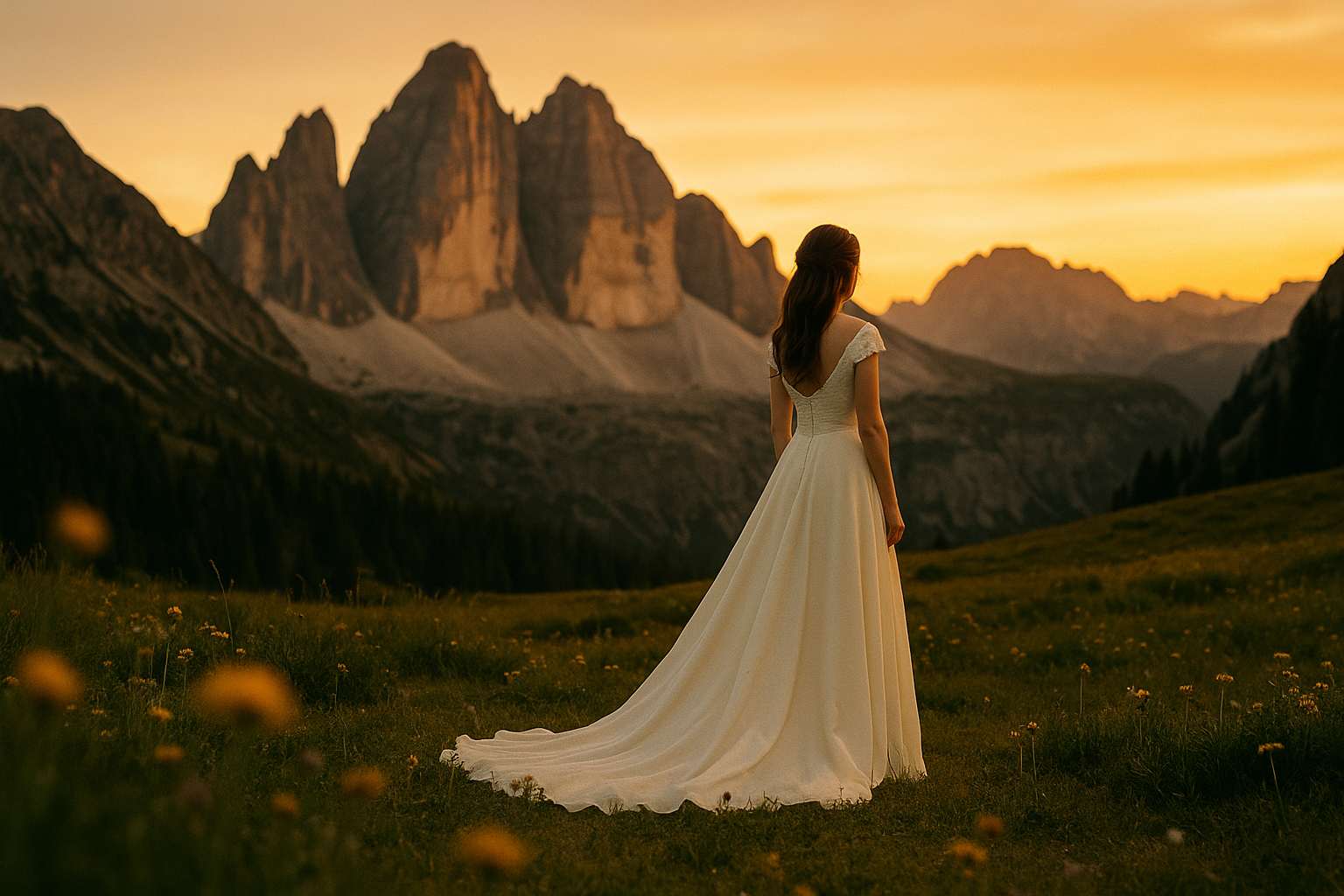
Eloping in 2026 is an intentional, thoughtfully planned choice — not an impulsive act. A legal elopement requires a marriage license from the county where you will marry, a legally recognized officiant, and any required witnesses. National park elopements add a Special Use Permit (apply up to 12 months early). The day can be as simple as $500 or as elevated as $10,000, and it is always a real wedding.
What is the difference between eloping, a micro-wedding, and a courthouse ceremony?
These three formats sit on a spectrum — understanding the real distinctions helps you choose the one that fits your vision, not just your budget.
A modern elopement centers the couple entirely. Guest count is typically 0 to 15 people (often just the two of you, plus a photographer and officiant). The emphasis is on experience — an alpine meadow, a national park vista, a quiet beach at golden hour. Modern elopements are not impulsive; they are meticulously planned around the couple's story rather than around a guest list. Typical cost: $500–$6,000.
A micro-wedding retains the recognizable structure of a traditional wedding — ceremony, a seated dinner or cocktail reception, toasts, perhaps a first dance — but scales the guest count to 15–50 people. The savings from a smaller guest list are typically reinvested in elevated food, a more intimate venue, or superior photography. Industry estimates place the average micro-wedding cost at approximately $11,200 in 2026, compared to the $34,000 national average for a full wedding.
A courthouse or civil ceremony is the most legally streamlined option: a judge, magistrate, or justice of the peace officiates a ceremony lasting 10–20 minutes. Guest count is typically limited to 10–15 by the venue. The ceremony itself costs $50–$300 for license and officiant fees — though adding a photographer, florals, and a post-ceremony dinner meaningfully elevates the experience.
| Format | Guests | Avg. cost | Structure | Best for |
|---|---|---|---|---|
| Elopement | 0–15 | $500–$6,000 | Flexible, experience-led | Couple-first, adventure, privacy |
| Micro-wedding | 15–50 | $5,000–$15,000 | Traditional structure, scaled down | Intimate community celebration |
| Courthouse | 0–15 | $100–$500 (ceremony only) | Brief civil ceremony | Legal simplicity, minimum spend |
What are the legal steps to make an elopement official in every U.S. state?
Every U.S. state requires the same legal foundation — and skipping any step can mean your marriage is not legally recognized.
Step 1: Obtain a marriage license. Apply in the county/jurisdiction where you will hold the ceremony, not where you live. Required documents typically include valid government-issued photo ID, Social Security number, birth certificate, and proof of divorce if previously married. Fees range from $25 to $115 by county. Most states require in-person application; some allow partial online pre-registration (Nevada's Clark County is one example).
Step 2: Observe the waiting period. Some states impose a mandatory wait between license issuance and the ceremony. Nevada, South Carolina, and several others have no waiting period — which is why they attract spontaneous ceremonies. Alaska, Florida, Oregon, Washington, and New Jersey require a three-day wait. Minnesota and Wisconsin require five days. Always verify with the specific county clerk.
Step 3: Confirm your officiant is legally recognized. Options include a judge, magistrate, justice of the peace, religious clergy, or a friend ordained online through recognized bodies such as the Universal Life Church or American Marriage Ministries. Online ordinations are recognized in most states but a handful have restrictions — call the county clerk to confirm. Self-solemnization (marrying without an officiant) is legal in Colorado, California, Wisconsin, Maine, Nevada, Pennsylvania, Kansas, and a few others.
Step 4: Arrange witnesses if required. No witnesses are required in Florida and several other states. California requires one witness (public license). Washington, Oregon, and Utah require two. Witnesses can be anyone willing — your photographer often serves this role for elopements.
Step 5: Obtain any location permits. National parks require a Special Use Permit ($50–$300 application fee; apply up to 12 months in advance; peak dates fill fast). State parks have their own permit systems. For Airbnb or VRBO rentals used as ceremony sites, get written confirmation from the host that events are permitted — some platforms prohibit them.
Step 6: File the signed license promptly. Your signed marriage license must be returned to the issuing county office within the required window (often 30–60 days). This is how your marriage enters the official record. Order multiple certified copies at the same time you file — you will need them for name change paperwork, insurance, and financial accounts.
How do you plan a national park elopement in 2026?
Adventure elopements in national parks have become a distinct industry category, with photographers who specialize in wilderness elopements effectively serving as experience planners. According to Bespoke Bride's 2026 national park elopement guide, every structured ceremony inside a U.S. national park requires a Special Use Permit from the National Park Service — even when it is just the two of you.
Key permit details by park:
- Rocky Mountain National Park (CO): $300 permit fee; 13 designated ceremony sites with strict guest and vehicle caps; applications accepted up to 12 months in advance; peak summer dates fill within days of the application window opening.
- Yosemite (CA): $150 application fee (non-refundable); bookings accepted up to one year in advance and at least 21 days prior to the event.
- Olympic National Park (WA): $50 permit for groups over five people; one of the most accessible and affordable permit systems in the national park network.
- Great Smoky Mountains (TN/NC): No waiting period in Tennessee; stunning year-round scenery; the most visited national park in the United States.
Your photographer must hold a Commercial Use Authorization (CUA) to photograph commercially in national parks. Most elopement photographers who specialize in national parks hold CUAs for their primary parks — confirm before booking.
Elopement planning timeline
For a national park elopement: begin 8–12 months before your date. For a local elopement: 6–12 weeks is typically sufficient. For a courthouse ceremony: 1–4 weeks, depending on your state's waiting period and courthouse appointment availability.
How do you tell your family you are eloping?
Navigating family expectations is often the most emotionally complex dimension of choosing an elopement. Tell immediate family personally — by phone, video call, or in person — before you tell anyone else and before anything is posted publicly. Share your genuine reason, positively framed. Give them something to celebrate: a post-elopement dinner, a mailed photo announcement, or a party in the coming months. Most families, even initially disappointed ones, come around when they see the couple's joy and feel included in some form of celebration.
Avoid the word "unfortunately" — it signals to family that even you believe something regrettable is happening. Announce with joy, not apology.
Making the day feel extraordinary
- Invest in photography first. With a micro-wedding or elopement, one exceptional photographer captures the full day better than a large team at a large wedding. Even a two-hour elopement portrait session is a worthwhile investment — regret from under-investing in photography is nearly universal.
- Write your own vows. At intimate ceremonies, personal vows land with full weight. A few specific, sincere sentences are more powerful than borrowed words.
- Plan the second act. A courthouse elopement does not have to end at the courthouse steps. A champagne toast in a nearby park, lunch at a favorite restaurant, or a weekend trip beginning that evening gives the day a narrative arc.
- The details that travel well: a hand-tied bouquet, a meaningful piece of jewelry, a small cake for two — these appear in photographs forever.
2026 elopement trends
Gen Z now represents an estimated 41% of the wedding market and is the demographic most likely to choose micro or elopement formats, prioritizing experience and financial intention over scale. Adventure elopement photography packages ($2,500–$6,000) are now a distinct market niche; many elopement photographers manage the full logistics arc including permits, timing, and location scouting. Post-elopement parties — the couple elopes privately, then hosts a dinner or reception weeks later — have become one of the most popular formats for couples who want both intimacy and community celebration.
Frequently asked
Is an elopement a legally valid marriage?
Yes, unequivocally. A marriage solemnized with a valid marriage license and an authorized officiant carries exactly the same legal weight as a 300-person ceremony in a cathedral. The size of your guest list has no bearing on the legal or sacred validity of your vows. What determines legal validity is the marriage license (obtained from the county where you will marry), a legally recognized officiant, any required witnesses, and filing the signed license with the issuing county office within the required window — typically 30–60 days. Follow these steps and your marriage is as legally binding as any other.
What is the difference between eloping and having a micro-wedding?
A modern elopement centers entirely on the couple — guest count is typically 0 to 15, the experience is the focus, and the day is planned around your story rather than a guest list. A micro-wedding retains the recognizable structure of a traditional wedding (ceremony, reception, toasts, first dance) but scales the guest count to 15–50 people, typically investing the per-guest savings in elevated food, a more intimate venue, or superior photography. The most meaningful difference is intentionality: a micro-wedding still celebrates the couple within a community; an elopement is the couple choosing to make the legal and sacred act theirs alone, often celebrated with a larger gathering later.
Do you need a permit to elope in a national park?
In almost all cases, yes. Any structured ceremony — even with just the two of you and a photographer — requires a Special Use Permit from the National Park Service. Permit application fees range from $50 to $300 depending on the park: Yosemite charges $150, Rocky Mountain National Park charges $300, and Olympic National Park charges $50 for groups over five people. Applications are accepted up to 12 months in advance, and peak summer dates at popular parks like Rocky Mountain and Grand Teton fill within days of the application window opening. Your photographer also needs a Commercial Use Authorization (CUA) for commercial photography in national parks — confirm they hold one before booking.
How far in advance do you need to plan an elopement?
A typical elopement requires six to twelve weeks of lead time for a local or simple venue. National park elopements need eight to twelve months for the permit application alone, plus time to book an officiant and photographer. Courthouse weddings can be planned in one to four weeks — research your specific courthouse's appointment system, observe your state's waiting period, and have a plan for the day beyond the ceremony itself. The single most common planning error is underestimating how early national park and popular outdoor permits fill. If your elopement location requires a permit, apply before booking any other vendor.
How do you tell your family you are eloping?
Tell immediate family personally — by phone, video call, or in person — before you tell anyone else and before anything is posted publicly. Share your genuine 'why' specifically and positively: 'We want our ceremony to be entirely about us and the moment, and to celebrate with everyone in a big way afterward.' People respond better to authentic reasons than to vague deflections. Frame it with excitement, not apology — an apologetic tone invites objections; joy invites celebration. Always give family something to look forward to: a post-elopement dinner, a celebration party in the coming months, or a custom photo album mailed to them.
What does an elopement realistically cost in 2026?
A simple elopement — marriage license, officiant, and a two-hour photographer session — can cost as little as $500 to $1,500. A full adventure elopement with a national park permit, a full-day photography package ($2,500–$6,000), florals, and celebratory dinner runs $5,000 to $10,000 for most couples. Micro-weddings (15–50 guests) average approximately $11,200 in 2026, according to industry estimates, compared to the $34,000 national average for a traditional wedding. Courthouse weddings are the most economical: $50–$300 in license and officiant fees, though adding a photographer and a celebratory meal meaningfully elevates the experience without dramatically increasing cost.
Can you have a faith-based ceremony if you elope?
In most cases, yes. A ceremony can incorporate religious readings, prayers, rituals, and music regardless of location. The key variable is whether your faith tradition requires a specific setting or officiant. For Catholics, a sacramental marriage requires a church ceremony — a civil elopement is not recognized as sacramentally valid, though a convalidation ceremony (blessing of the marriage) within the Church is a common solution for couples who elope civilly first. For most Protestant, interfaith, and non-denominational couples, a pastor or ordained officiant can perform a faith-centered ceremony in any setting the couple chooses.